How Many Days in Whistler + 2 & 3-Day Itineraries
Two nights and you will spend the drive home listing what you missed. Here is exactly how many days Whistler needs, with day-by-day plans.
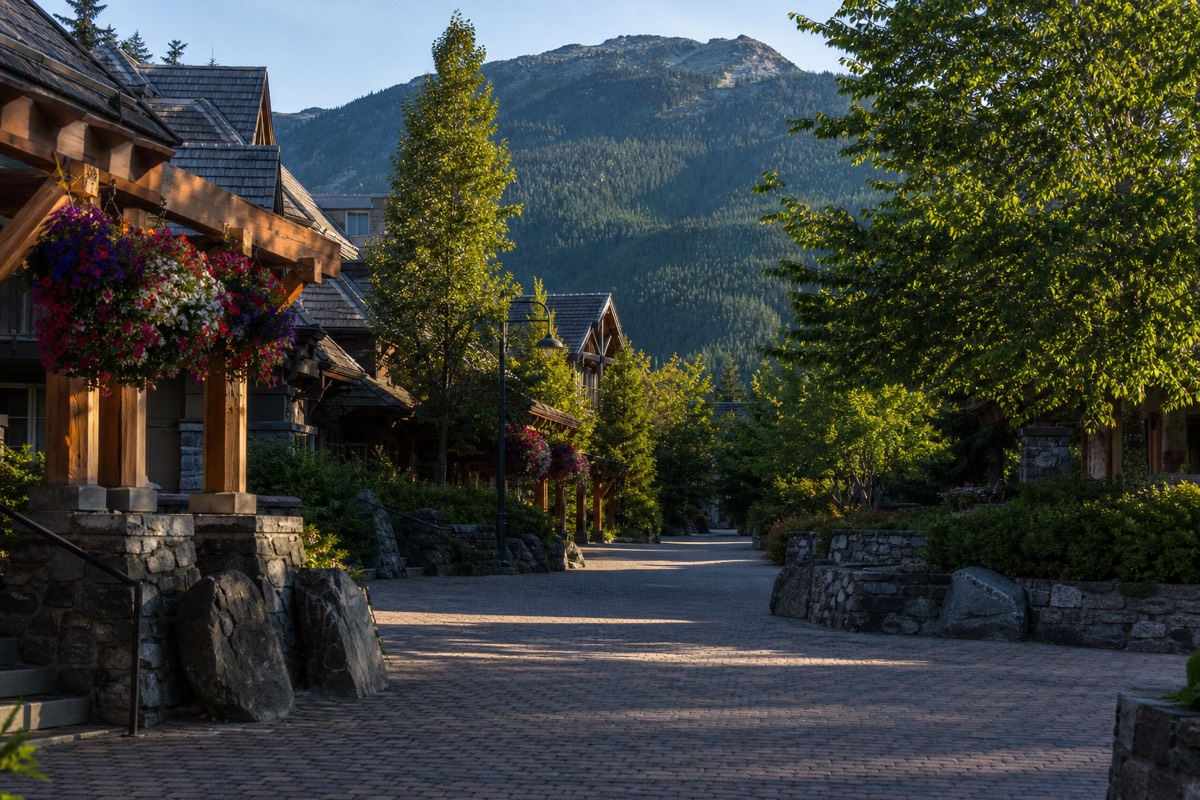
People underestimate Whistler constantly. They book two nights on the strength of the ski brochure, then discover a village, two mountains, a valley full of lakes and a backcountry of guided tours, and drive home with a list of things they never got to. The trip works far better when the length matches the ambition.
This guide sets out how many days you actually need, then gives you ready-made itineraries for one, two, three and four-plus days, in both summer and winter shapes. Everything here is booked through the operators' own live listings by the team at Whistler BC Tours, so the timings and prices reflect what you will really find at checkout.
Budget note: original price examples below are planning allowances, not current quotes. Compare the provider’s actual date, currency, party and included extras before relying on a figure.
Plan This Experience
Lakes, Olympic history and local stops in one three-hour guided valley loop.
The honest answer has two layers. There is the minimum that makes the drive worthwhile, and there is the number that lets Whistler breathe. Most people arrive anchored to the first and leave wishing they had planned for the second. Below, both are spelled out by trip type, by season and by traveller, with day-by-day shapes you can lift straight into a booking.
At a glance: how many days Whistler needs
Suitability of each trip length for a well-rounded visit. Three days is the recommended sweet spot; a dedicated ski trip wants more.
How many days in Whistler is enough?
Three to four days is the sweet spot: enough for a mountain day, a valley day, and one guided adventure, without rushing. Two days is a good, tight taste. One day works as a day trip if you pick a single highlight. Skiers chasing terrain should plan five to seven.
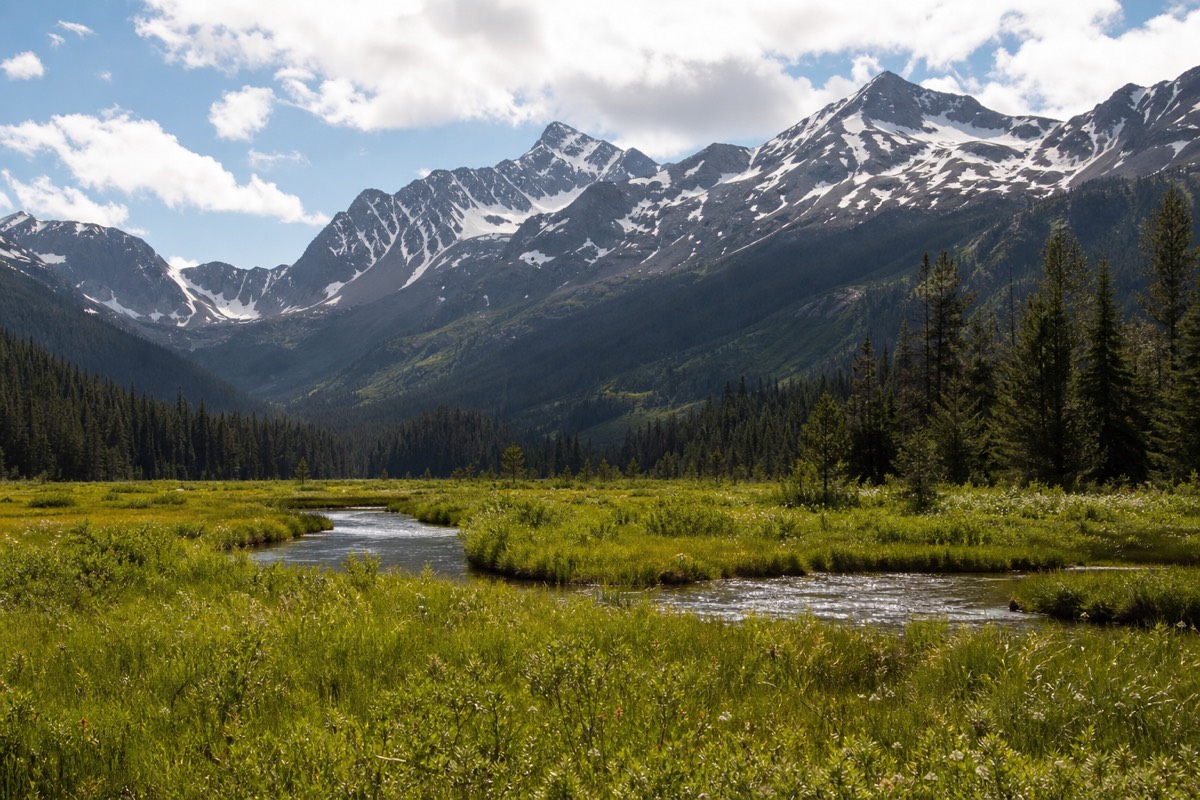
The right number turns on what you want out of the place. A sightseer covers the essentials in two or three days. Anyone who wants to mix a marquee outing, some downtime and a bit of exploring should give it four. And a dedicated skier or rider will happily fill a week, because a resort this size does not reveal itself in a weekend. The table below is the quick version.
| Trip type | Ideal length | What you fit in |
|---|---|---|
| Day trip | 1 day | One highlight: the gondola, a tour, or the village and a lake |
| Quick getaway | 2 days | A mountain day and a valley or adventure day |
| Full trip | 3 to 4 days | Mountain, valley, a guided tour, and unhurried downtime |
| Ski or ride week | 5 to 7 days | Time to learn the terrain across both mountains |
| Extended stay | 7+ days | Add day trips, a spa day, and slow mornings |
One pattern holds across all of these: the marginal day is never wasted. Adding a third day to a two-day plan does more than tack on twenty-four hours, because it removes the pressure that makes a short trip feel rushed. You stop rationing the good weather and start using it. The same logic runs right up the scale, which is why a resort this size rewards anyone who can spare the time.
Can you really do Whistler in one day?
Yes, if you accept it is a highlight reel, not the full picture. One day is enough to ride up a mountain, walk the village, and see a lake or squeeze in a short tour. From Vancouver it is a common day trip at roughly two hours each way, though it makes for a long day.
The trick to a single day is to choose one anchor and build around it, rather than trying to do everything. The Peak 2 Peak Gondola is the classic anchor: it delivers both mountains, the village and the big views in one efficient loop. For a story-driven, hour-by-hour version of the perfect single day, we wrote a dedicated one-day Whistler itinerary.
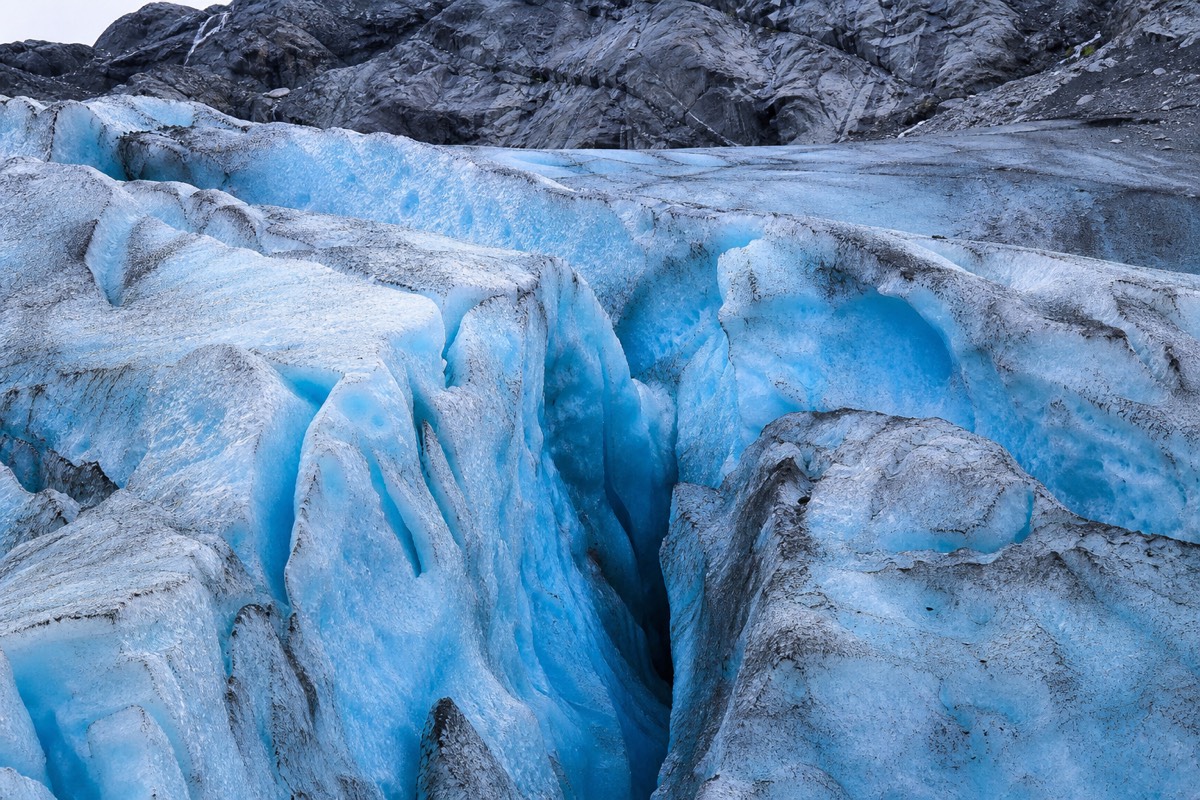
If you are coming up from the city, the logistics are the whole game. Our guide to getting from Vancouver to Whistler compares driving, shuttles and transfers, and a Whistler day trip from Vancouver lays out a realistic there-and-back plan.
The catch with a single day is that weather holds a veto. If low cloud swallows the peaks, the gondola loses much of its magic, and you have no second morning to try again. That is the real case for two nights: not more activities, but a spare roll of the dice on the view. If one day is genuinely all you have, keep the plan loose enough to pivot to the village, a lake and a lower-elevation tour when the summit is socked in.
What does the perfect 2-day Whistler itinerary look like?
Two days splits cleanly: one day up high, one day in and around the valley. Winter means a ski or snow-adventure day plus a village-and-spa day. Summer means an alpine gondola-and-hike day plus a lake-and-bike day. It is tight but genuinely satisfying.
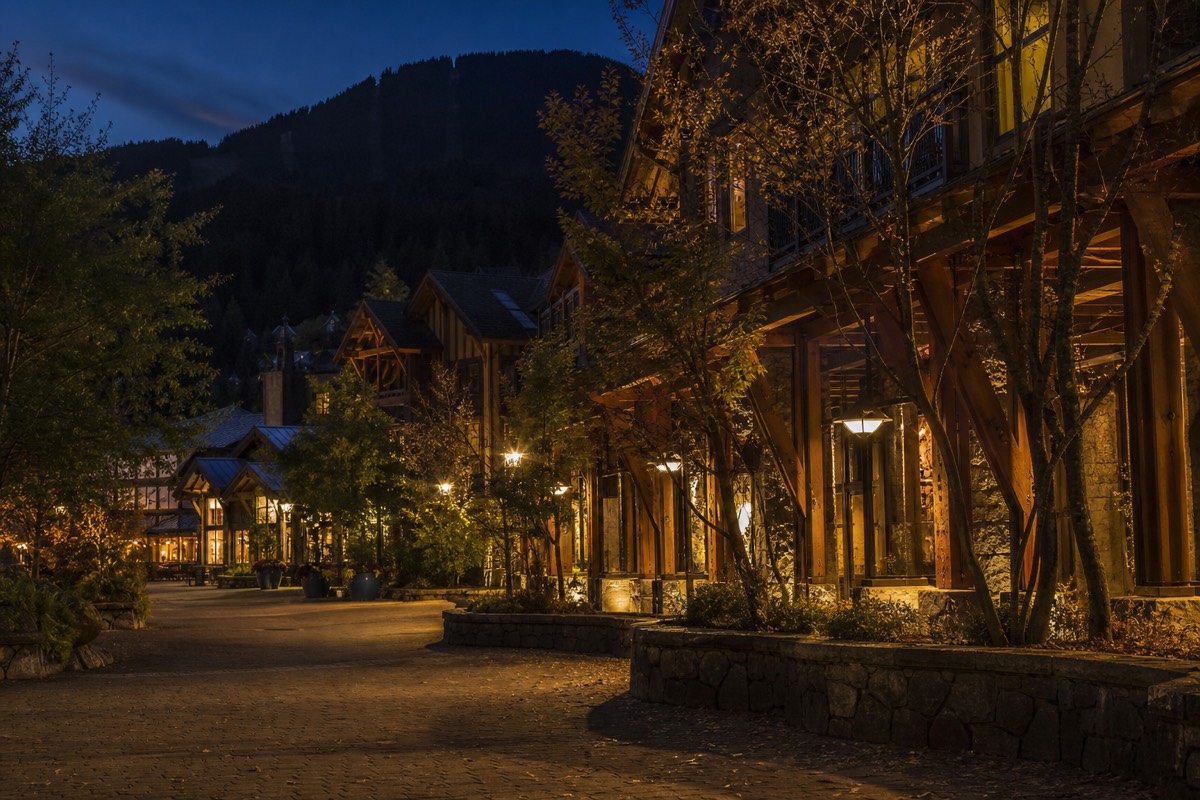
The core idea is contrast. Spend one day earning the big views, then spend the next at valley pace, exploring the stroll, the lakes and the trails. Here is the winter shape.
| Day | Morning | Afternoon | Evening |
|---|---|---|---|
| Day 1 (winter) | Ski, ride, or a guided snowmobile run | More slopes, or ice fishing on a frozen lake | Village dinner, patio fire, early night |
| Day 2 (winter) | Peak 2 Peak Gondola for the views | Scandinave-style spa, or the stroll and galleries | Slow dinner, live music |
And the summer version, which trades snow for alpine trails and warm-lake afternoons.
| Day | Morning | Afternoon | Evening |
|---|---|---|---|
| Day 1 (summer) | Peak 2 Peak Gondola and an alpine ridge walk | Bike park laps, or a zipline through the forest | Patio dinner, golden-hour village stroll |
| Day 2 (summer) | Guided eBike or valley-trail ride | Swim or paddle at Lost Lake or Alta Lake | Farm-to-table dinner, quiet drink |
The reason two days works as well as it does is that Whistler splits cleanly along an up-and-down line. One day belongs to the heights, whether that means ski runs, an alpine hike or the gondola, and the other belongs to the valley floor, its lakes, its trails and its village. Blend them and you get a blur; keep them distinct and each day earns its own character. Two nights is the shortest stay that still feels like a proper break rather than a long errand.
Why is three days the sweet spot?
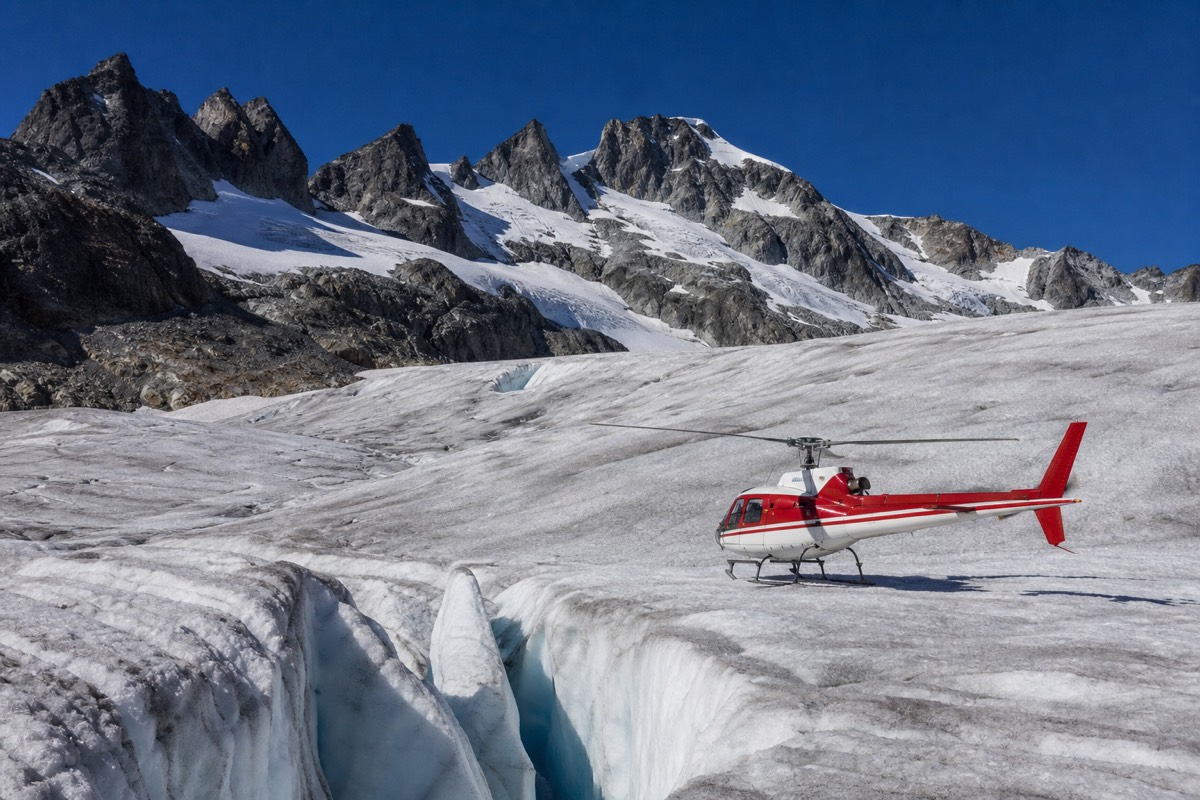
Three days lets you do a mountain day, a valley day and one big guided adventure without cramming. It is long enough to slow down, catch the best weather window of your stay, and add a bucket-list tour like a glacier helicopter flight .
With a third day, the trip stops feeling like a sprint. You gain a buffer for weather, a morning to sleep in, and room for the standout experience that a two-day trip forces you to skip. A guided full sightseeing tour is a smart day-one move: it orients you fast, so you spend the rest of the trip knowing exactly where to go.
| Day | Focus | Plan |
|---|---|---|
| Day 1 | Orientation | Full sightseeing tour, then the village stroll and dinner |
| Day 2 | Up high | Peak 2 Peak Gondola, alpine hike or ski, summit lunch |
| Day 3 | Bucket list | A glacier heli flight or backcountry tour, then a lake or spa |
Three days also fixes the biggest scheduling headache in Whistler, which is weather roulette. With only two days, a socked-in morning can cost you the view you drove up for. A third day is insurance: you slide the gondola or the heli flight to the clear window and spend the grey hours in the village, the spa or the galleries. That flexibility, more than any extra activity is what turns a good trip into a relaxed one.
Is four or more days too many?
Not at all. A fourth day turns a good trip into a relaxed one. Use it for a day trip along the Sea to Sky corridor, a spa afternoon, a second mountain adventure, or simply a slow morning. Whistler rewards downtime as much as it rewards activity.
Four days is where you stop optimising and start enjoying. You can absorb a rainy day without losing your whole plan, revisit a favourite spot, or head out on a scenic add-on. The Sea to Sky Highway between Vancouver and Whistler is dotted with waterfalls and viewpoints worth a half-day, covered in our guide to stops along the Sea to Sky Highway.
| Extra day | Good for | Idea |
|---|---|---|
| Day 4 | Scenery | Drive the Sea to Sky corridor, Brandywine and Shannon Falls |
| Day 4 | Recovery | Spa morning, easy Valley Trail walk, long lunch |
| Day 5+ | More adventure | A second tour, a wildlife outing, or a longer alpine hike |
There is a quieter argument for four days, too, and it is about pace. Three days done well still moves at a clip, with a marquee outing most mornings. A fourth day lets you schedule nothing at all, which in a place this beautiful is its own reward. A slow breakfast, an aimless walk along the Valley Trail, an afternoon by the lake with a book. Travellers who build in that empty day almost always name it their favourite.
How does summer versus winter change how long you need?
Winter tends to want more days because a lift ticket is a full commitment and a big resort takes time to learn. Summer packs more variety into a day, so you cover the essentials faster. A ski trip leans five to seven days; a summer sightseeing trip is happy at three.
Seasons reward different rhythms. In winter, most travellers build the day around the mountain, and one mountain day rarely feels like enough at a resort this large. In summer, you can stack a gondola ride, a hike, a bike and a swim into a single day, which means you see more, sooner. Deciding when to come is its own question, worked through in the best time to visit Whistler.
| Length | Winter feel | Summer feel |
|---|---|---|
| 1 day | A taster; one activity | A solid highlight day |
| 2 to 3 days | A proper short break | Covers the essentials well |
| 4 to 5 days | Comfortable ski trip | Relaxed, wide-ranging trip |
| 6 to 7 days | Ideal ski or ride week | Deep dive with day trips |
The mechanism behind the difference is simple. A winter day is single-minded: you commit to the mountain, buy the lift ticket and give it your full attention, so seeing the resort properly takes several such days. A summer day is greedy in the best way, letting you sample a gondola ride, a short hike, a lake swim and a bike loop before dinner. That is why a summer sightseer covers the highlights in three days while a winter skier is still learning the terrain on day four.
How many days in Whistler with kids?
Families should plan at least three to four days. Children set the pace, weather forces flexibility, and short attention spans mean shorter activity blocks. The extra days buy pool time, playground stops and rest, so no single day has to carry the whole trip.
With kids, buffer is everything. A tight two-day plan collapses the moment a nap, a meltdown or a downpour arrives, whereas a four-day trip absorbs all three. Whistler is well set up for families, from the gentle Valley Trail to easy gondola sightseeing, and our guide to visiting Whistler with kids maps out the age-friendly options.
Distance matters less with children here than almost anywhere, which helps. Because the village is car-free and the lakes, playgrounds and gondola bases sit within a short walk, you can abandon a plan without a long drive home. Even so, budget for slower everything: longer meals, more snack stops, an unscheduled hour at a playground that turns out to be the highlight. Four days gives a family the slack to let the kids set the tempo without the parents feeling the trip slip away.
Where does the Peak 2 Peak Gondola fit, whatever your length?
The Peak 2 Peak Gondola fits every trip length because it delivers the most for the least time. In two hours it gives you both mountains, the record-setting span and the summit views. On a one-day trip it is the anchor; on a longer trip it is the easy, high-reward half-day.
The scenic gondola ride is the single outing that scales to any itinerary. Short on time, it becomes the centrepiece. With days to spare, it slots into a morning and leaves the afternoon free. The full ticketing, timing and summit-walk detail lives in our Peak 2 Peak Gondola guide, and for the widest menu of options across a stay, see things to do in Whistler.
The reason it scales so well is efficiency. In one loop the Peak 2 Peak Gondola gives you both mountains, a crossing that hangs up to 436 metres above the valley on a 4.4-kilometre run between the peaks, and summit views that would otherwise take a full day of hiking to earn. It opened in 2008 and still ranks among the highest and longest lifts of its kind. On a one-day trip it is the whole show; on a five-day trip it is a half-day that leaves the afternoon wide open. No other single outing here works this hard for its time.
How many days if you are only here to ski?
Dedicated skiers and riders should plan five to seven days. With more than 8,000 acres across two mountains, a weekend barely scratches the terrain. A full week lets you learn the bowls, wait out a weather day, and still have legs for the best conditions when they arrive.
Whistler Blackcomb is one of the largest ski resorts in North America, and its scale is the point. Two or three days shows you the marquee runs; five to seven days is what it takes to feel like you know the place, ride the alpine when it opens, and have a rest day in reserve. For the non-ski hours in between, our roundup of winter beyond the ski runs keeps the whole trip full.
The scale is worth spelling out. Whistler Blackcomb spreads 8,171 acres across two mountains, with more than 200 marked runs, over thirty lifts, sixteen alpine bowls and three glaciers, and a vertical drop of more than 1,500 metres on each side. A weekend lets you ski the groomers and a marquee run or two. A full week is what it takes to find the bowls that suit you, ride the alpine on the days it opens, and still keep a rest day in reserve for tired legs or a passing storm. Serious skiers rarely regret the extra nights.
How do you pace each day without overbooking?
Book one major activity per day, no more. Mountains eat time, weather shifts plans, and Whistler is best savoured rather than sprinted. Leave the second half of most days loose for a lake, a patio or an unplanned walk, and you will enjoy the trip far more than a packed schedule allows.
The most common mistake is stacking two big outings into one day, then spending it stressed about the clock. One anchor a day is the rule that keeps a trip enjoyable. The table below shows a sustainable rhythm that still gets you everywhere.
| Time block | What to plan | Why |
|---|---|---|
| Morning | Your one big activity | Best weather and light, freshest energy |
| Early afternoon | A relaxed follow-on | Lake, stroll, gallery, or an easy trail |
| Late afternoon | Downtime | Rest, patio, catch golden hour |
| Evening | Dinner and slow village time | Whistler's nights are half the experience |
The rule sounds strict, but it buys freedom. Booking one anchor a day leaves the rest of the day open to impulse, which is exactly how the best Whistler memories tend to happen: the unplanned lakeside hour, the patio you did not mean to stay at, the second lap because the light was too good to leave. Over-schedule and you trade all of that for a timetable. The mountain always wins a fight with a tight itinerary, so plan as though it will.
How do arrival and departure days affect the count?
Count your arrival and departure days as halves, not wholes. A morning drive up and an evening drive back each swallow a big chunk of usable time, so a three-day trip with travel on both ends is really closer to two full days on the ground. Add a night if you want three genuine days here.
This is the trap that catches planners who count nights instead of daylight. Fly into Vancouver, transfer up, and your first day is mostly wheels and check-in. Leave after breakfast on the last day and it barely counts at all. If your itinerary hinges on a set number of full days, fold the arrival and departure travel into the total and book the nights accordingly. The table below translates nights booked into realistic on-the-ground days.
| Nights booked | Full days on the ground | Best suited to |
|---|---|---|
| 1 night | Roughly 1 full day | A quick overnight from Vancouver |
| 2 nights | 1 full plus 2 half days | A tight weekend taste |
| 3 nights | 2 full plus 2 half days | The comfortable short break |
| 4 to 5 nights | 3 to 4 full days | A relaxed trip or a ski stay |
How many days if you are pairing Whistler with Vancouver?
For a combined trip, give Whistler two to three days inside a week-long Vancouver holiday. Two nights up the mountain is the sweet spot: long enough for a mountain day and a valley day, short enough to leave room for the city, the drive itself, and a stop or two along the corridor.
Plenty of visitors are not choosing between Vancouver and Whistler at all; they want both. The good news is that they pair naturally, sitting about two hours apart on one of Canada's great scenic roads. A common shape is three or four nights in the city bookended by two nights in Whistler, with the drive treated as a half-day of sightseeing rather than dead time. Anyone weighing that split will also want to settle the season and the logistics of the drive up before booking.
| Total holiday | Vancouver | Whistler |
|---|---|---|
| 5 days | 3 days | 2 days |
| 7 days | 4 days | 3 days |
| 10 days | 5 to 6 days | 3 to 4 days plus a day trip |
Set the length to the ambition and Whistler pays you back. If you are torn between the Coast Mountains and the Rockies for a bigger mountain trip, weigh it up with how Whistler compares with Banff before you commit the dates.