Whistler Day Trip from Vancouver: Itinerary and Tips
A day trip to Whistler works, but only if you plan the clock. Here is an hour-by-hour itinerary, the stops worth making, and the honest limits of a single day.
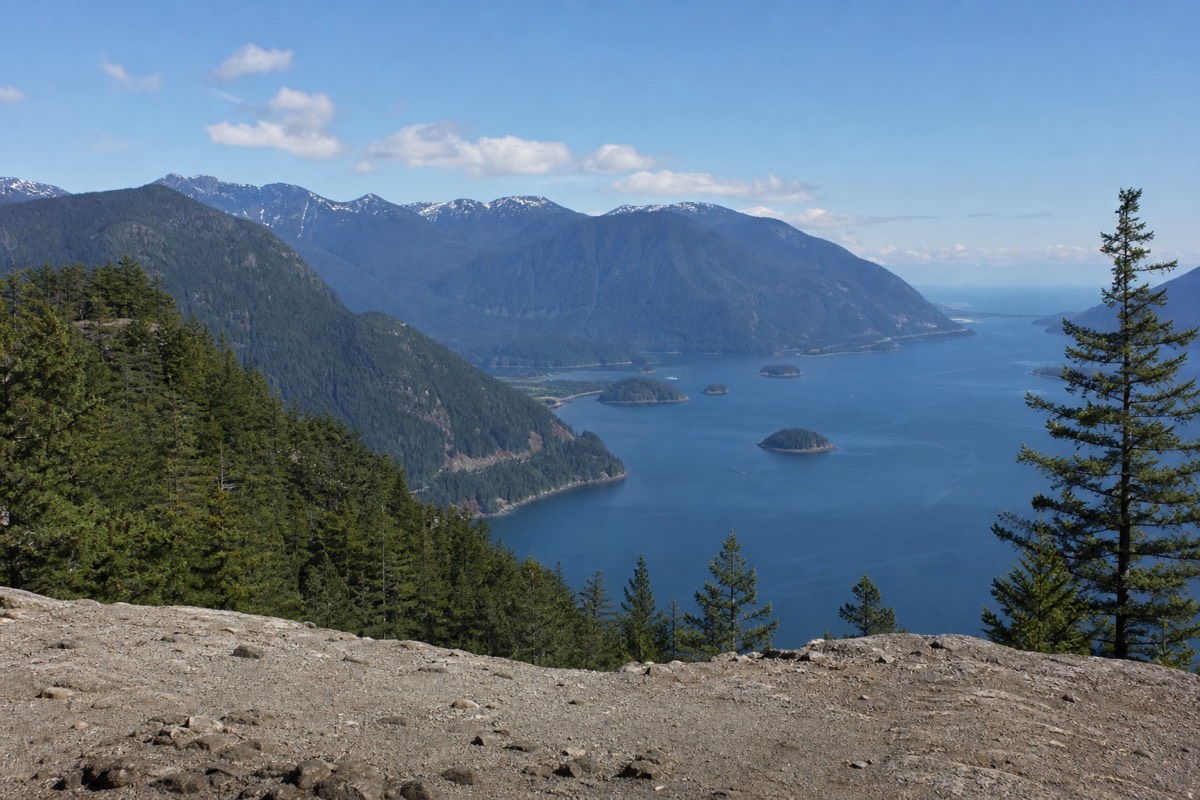
Leave downtown Vancouver at seven, and you can be standing under Shannon Falls by half past eight, riding a gondola above the tree line by mid-morning, and back in the city for a late dinner. A Whistler day trip is one of the most rewarding things you can do from Vancouver, but it lives and dies by the timetable. Get the departure right and it feels roomy; get it wrong and you spend the good hours sitting in traffic.
This plan lays out a realistic single day, hour by hour, with the roadside stops that are worth the pause and the ones to save for another time. It works whether you drive yourself or join a guided tour. To compare the ways of getting up there before you lock in a plan, our guide to every way to get from Vancouver to Whistler has the times and costs side by side.
Budget note: original price examples below are planning allowances, not current quotes. Compare the provider’s actual date, currency, party and included extras before relying on a figure.
Plan This Experience
The ten-hour guided alternative includes Vancouver return transport, Shannon Falls, Squamish’s Sea to Sky Gondola and about three hours in Whistler; Peak 2 Peak is not included.
At a glance: a Vancouver to Whistler day trip
A template to shift by season, not a fixed schedule; give yourself buffer time on the pass.
Can you really see Whistler in a day from Vancouver?
Yes. With a 1.5 to 2 hour drive each way, a single day gives you five to seven hours in the Whistler area, enough for a gondola ride, a village stroll, a lakeside walk, and one or two stops on the drive. You will not see everything, but you will see the highlights if you leave early and keep moving.
The maths is friendlier than people expect. If you are on the road by seven and heading home around five, you have most of the daylight to spend in and around the resort. That is plenty for the signature experiences, provided you do not try to cram in a long alpine hike and a spa afternoon and a sit-down lunch all at once.
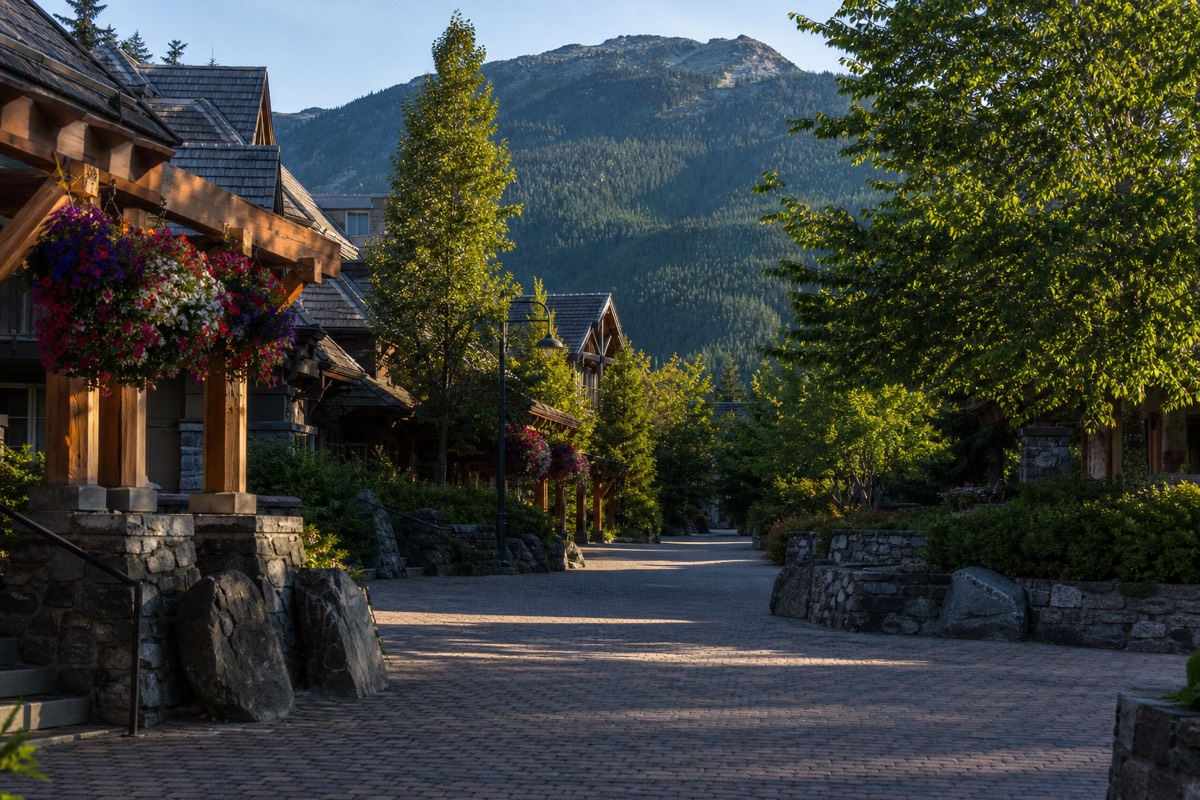
The trick is choosing a shape for the day rather than a shopping list. Pick one headline activity, a gondola or a guided sightseeing loop, add a walk and a meal around it, and let the drive supply the scenery in between. If you want the honest short version of this question, we lay it out in whether you can realistically fit Whistler into a single day.
What does an hour-by-hour Whistler day plan look like?
A workable day: depart Vancouver by 7am, stop at Shannon Falls near 8:30, reach Whistler by 9:30, ride the Peak 2 Peak Gondola mid-morning, lunch in the village at 1, walk a lake or the stroll early afternoon, and start home by 4:30 to beat the worst traffic. Adjust for season and daylight.
The sample below is a template, not a rule. Slide it earlier in summer when daylight is long, and tighten it in winter when the light fades by late afternoon and the drive home deserves extra caution. The single most important line is the departure time: leaving by seven is what makes the rest of the day feel unhurried.
| Time | Where | What you are doing |
|---|---|---|
| 7:00 am | Downtown Vancouver | Depart north on Highway 99, coffee to go |
| 8:30 am | Shannon Falls / Squamish | Quick stop, stretch, photos at the falls |
| 9:30 am | Whistler Village | Park in the day lots, orient yourself |
| 10:00 am | Whistler and Blackcomb | Peak 2 Peak Gondola and alpine viewpoints |
| 1:00 pm | Whistler Village | Lunch on a patio in the pedestrian core |
| 2:00 pm | Lost Lake or the Village Stroll | Easy walk, lakeside time, browsing |
| 4:30 pm | Highway 99 south | Head home, one last viewpoint if time allows |
| 6:30 pm | Vancouver | Back in the city for dinner |
When should you leave Vancouver?
Leave by 7am in summer and by 8am at the latest in winter, when daylight is short and the pass can be slow. Early departures dodge the worst of the weekend traffic on Highway 99 and hand you the calm morning light at the viewpoints. Aim to start the drive home by mid to late afternoon rather than at dusk.
Traffic, not distance is the enemy of a Whistler day trip. Summer weekends and winter powder days both load the highway, and a late start can turn a two-hour drive into three. An early departure is the cheapest upgrade available: it costs you an alarm and buys you a quieter road, easier parking, and shorter gondola lines.
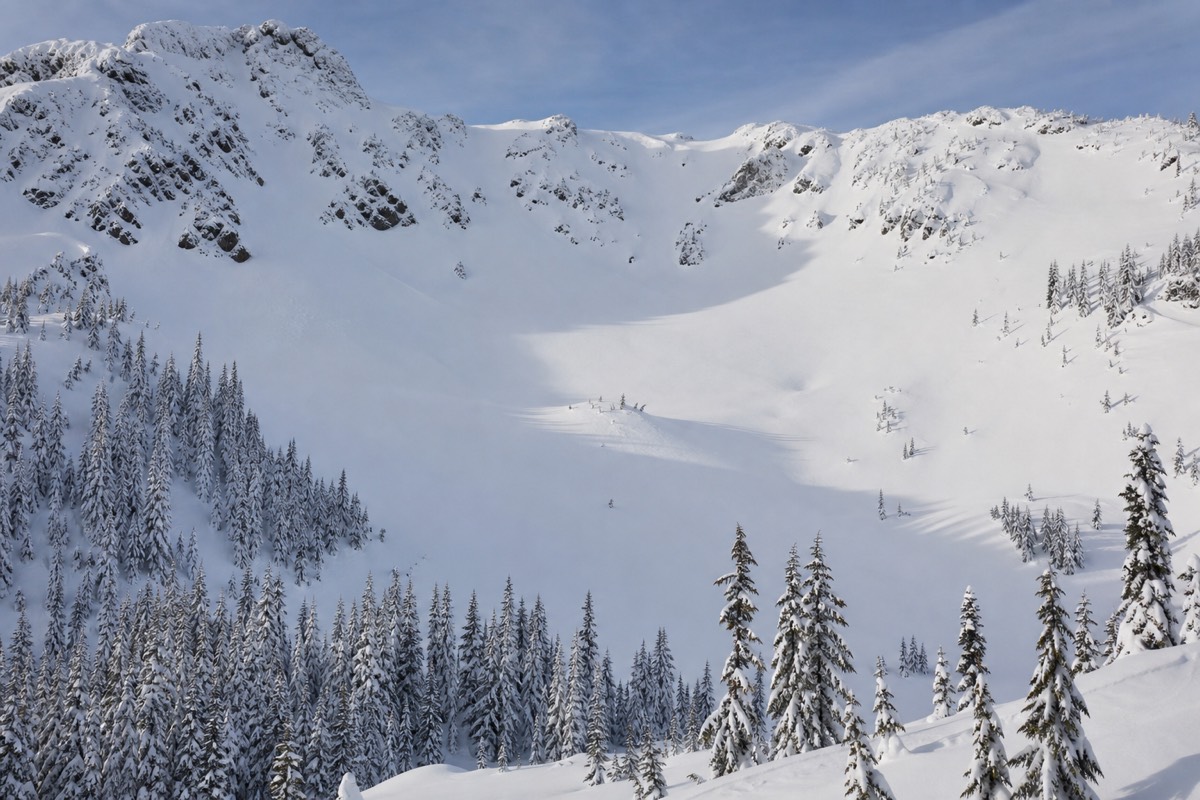
Season shifts the plan. In the long days of July and August you can leave a touch earlier and stay later; in December and January you want to be off the pass before full dark, especially if snow is forecast. Our breakdown of the best season to make the trip spells out how crowds and daylight change month to month.
| Season | Suggested departure | Start home by |
|---|---|---|
| Summer (Jun to Aug) | 6:30 to 7:00 am | 5:00 to 6:00 pm |
| Shoulder (May, Sep, Oct) | 7:00 am | 4:30 to 5:00 pm |
| Winter (Nov to Apr) | 7:30 to 8:00 am | 3:30 to 4:30 pm, before dark |
Which stops are worth making on the way up?
On a day trip, pick one or two stops, not five. Shannon Falls is the easiest win: a five-minute walk to a 335-metre waterfall right off the highway. Squamish, the Sea to Sky Gondola, and Brandywine Falls are all tempting, but each stop eats into your Whistler time, so choose deliberately.
The Sea to Sky Highway is lined with reasons to pull over, which is a blessing on a leisurely trip and a trap on a tight one. The discipline for a day trip is to treat the drive up as a single quick stop and save the rest for the way home, when the clock matters less. Shannon Falls near Squamish is the classic choice because the payoff is huge and the detour is tiny.
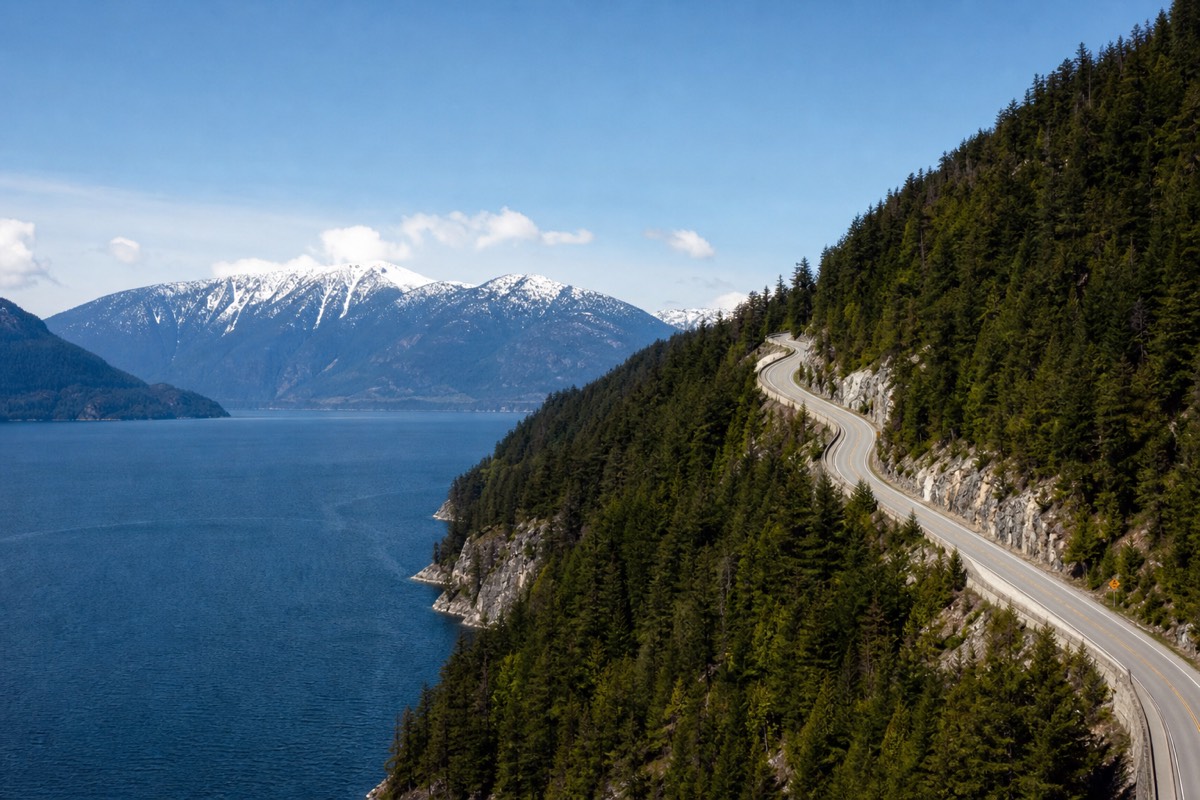
If you have a little slack, the Stawamus Chief pull-off and Tantalus Lookout add a few minutes for a big view. The Sea to Sky Gondola in Squamish is worth a whole visit in its own right, which is exactly why it does not fit well inside a Whistler day. For the full menu with timings, see our guide to the stops worth pulling over for.
| Stop | Time it adds | Worth it on a day trip? |
|---|---|---|
| Shannon Falls | 15 to 20 minutes | Yes, the easy highlight |
| Tantalus Lookout | 10 minutes | Yes, if the sky is clear |
| Stawamus Chief viewpoint | 10 minutes | A quick photo, not the climb |
| Sea to Sky Gondola (Squamish) | 2 to 3 hours | Save it for a separate trip |
| Brandywine Falls | 20 to 30 minutes | Better on the way home |
What's realistically doable in Whistler in a few hours?
In four to six hours you can ride the Peak 2 Peak Gondola, walk the Village Stroll, and see a lake such as Lost Lake or Alta Lake. Add a sit-down lunch and that is a full, satisfying day. What does not fit is a long alpine hike plus the gondola plus a spa visit; pick one anchor and build lightly around it.
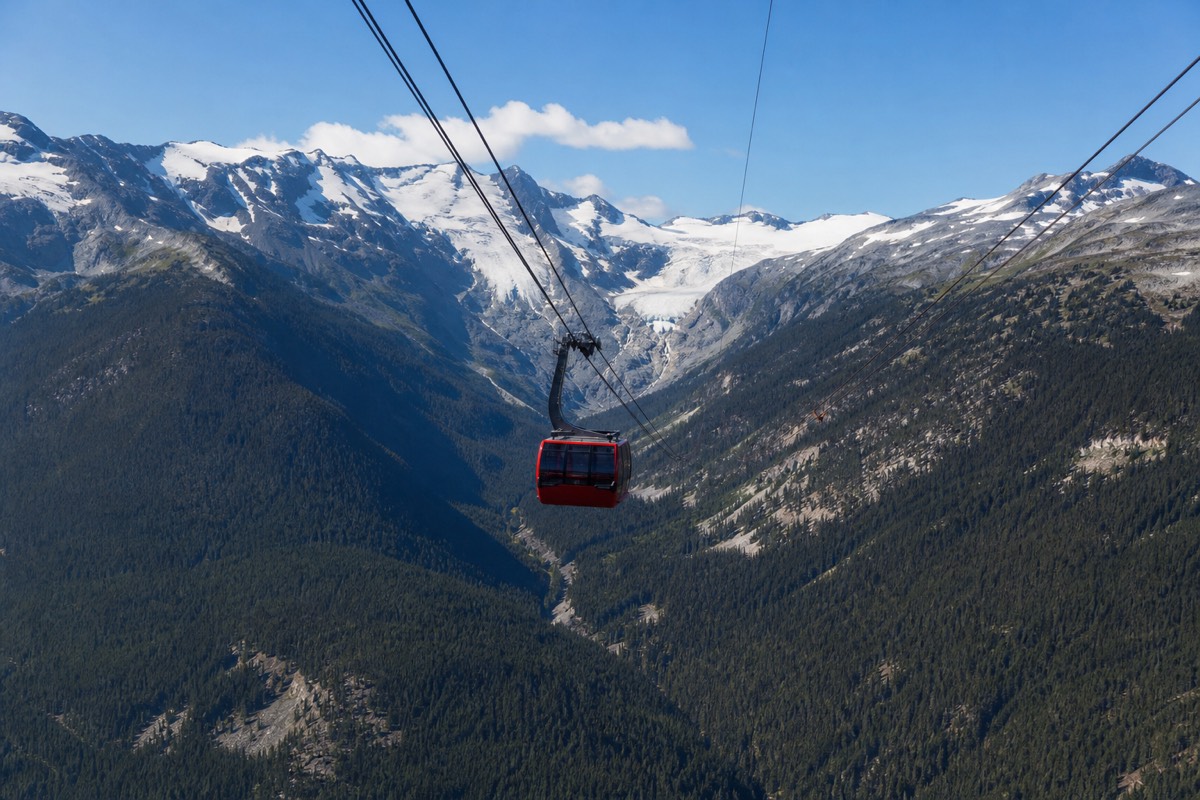
Whistler rewards a focused visitor more than a frantic one. The gondola network, which links Whistler and Blackcomb across a record-setting span is the single best use of limited time because it delivers the alpine without a long climb. Around it, the pedestrian village and the nearby lakes give you easy, scenic filler that does not demand another ticket or a big time commitment.
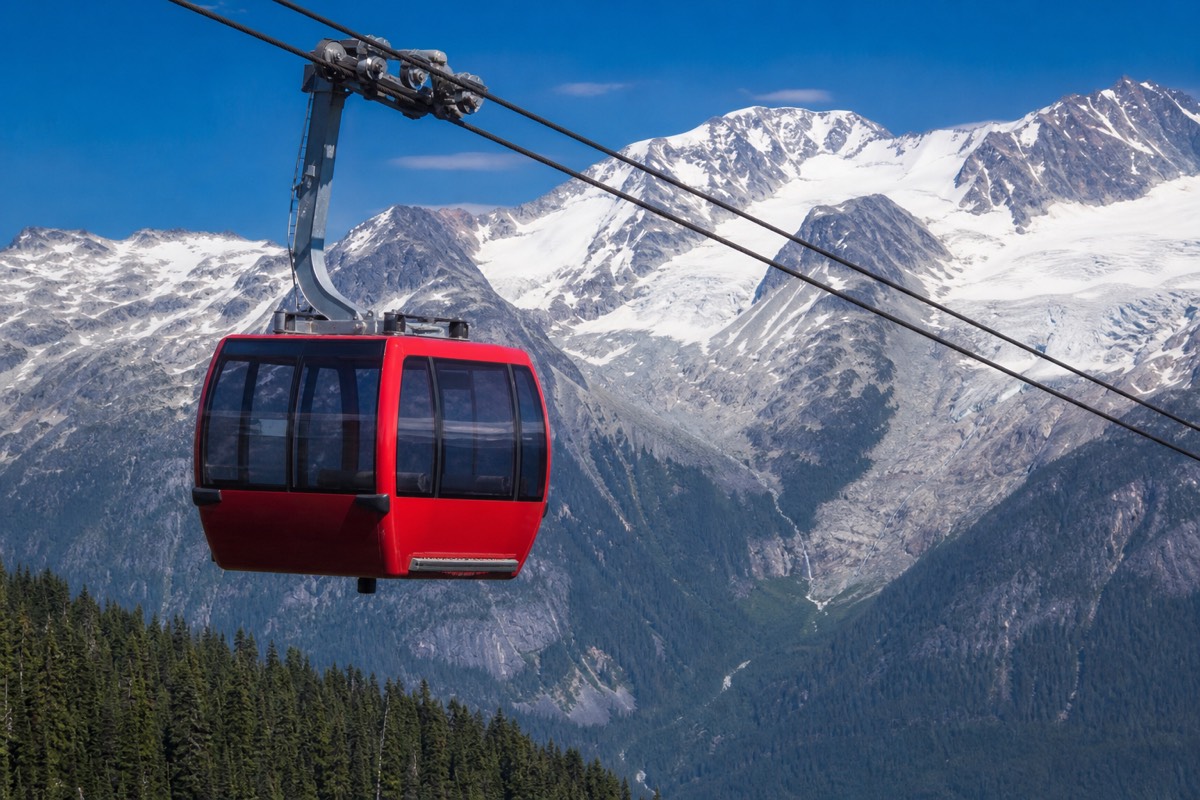
Think in anchors and fillers. Your anchor is the gondola or a guided sightseeing loop; your fillers are a lakeside walk, a patio lunch, and a wander through the car-free core. That combination photographs beautifully and leaves you unrushed. Resist the urge to add a fourth or fifth headline item. Whistler tempts you with snowmobiling, ziplines, a spa, and a long lunch, and each one is worth doing, yet stacking them turns a relaxed day into a race against the parking meter. The visitors who enjoy the day most tend to do three things well rather than six in a hurry. For a deeper menu once you are there, our overview of what to do when you reach the village and a tight one-day Whistler itinerary both help you choose.
| Activity | Time budget | Fits a day trip? |
|---|---|---|
| Peak 2 Peak Gondola and viewpoints | 2 to 3 hours | Yes, the top pick |
| Village Stroll and lunch | 1.5 to 2 hours | Yes |
| Lost Lake or Alta Lake walk | 1 hour | Yes |
| Guided sightseeing tour | 3 hours | Yes, as your anchor |
| Long alpine day hike | 4 to 6 hours | Not alongside the gondola |
Should you do a guided day tour or self-drive?
Self-drive gives you total control of the schedule and the stops. A guided day tour removes the driving, the parking, and the planning, and a local guide points out what you would miss. If you are nervous about the mountain highway, short on time, or want to relax, guided wins; if you love a road trip, drive.
Both approaches get you a great day; they just spend your attention differently. Driving yourself means you set every timing and can chase a viewpoint on a whim, at the cost of watching the road instead of the scenery and hunting for a day-lot space. A guided tour flips that: you give up the wheel and gain a running commentary, a sorted itinerary, and someone else worrying about the parking and the weather.
A small-group sightseeing tour is a strong anchor for a guided day because it stitches the valley together for you, from Green Lake to the Olympic sites. It is exactly the kind of guided day Whistler BC Tours is built around. Pair it with a gondola ride and you have a complete day without touching a map. The comparison below sums up the trade-off.
| Factor | Self-drive | Guided day tour |
|---|---|---|
| Schedule control | Total | Set by the tour |
| Driving and parking | Your job | Handled for you |
| Local knowledge | On your own | Guide included |
| Cost for a couple | Rental plus gas and parking | Per-person tour price |
| Best for | Road-trip lovers, flexible plans | Relaxed days, first-timers |
How much does a Whistler day trip cost?
A day trip can run from roughly CA$40 per person by shuttle to a few hundred for a private transfer, plus whatever activities you add. Driving splits well across a group once you factor in gas and parking. The big variables are your transport choice, a gondola or tour ticket, and lunch, so budget one headline activity on top of getting there.
The cost of a Whistler day swings widely depending on how you travel and how many of you there are. Two people in a rental car share the drive and parking, which keeps the per-head number low, while a solo traveller often finds the shuttle the cheapest door-to-door option. A private transfer looks steep until you split it three or four ways, at which point it competes with the bus while adding comfort.
On top of transport, plan for one main activity and a meal. A gondola ticket or a guided sightseeing tour is the usual anchor spend, with a patio lunch and the paid village day lots rounding out the day. The rough figures below are planning allowances rather than quotes, so confirm the live prices before you book, and check our note on the Peak 2 Peak Gondola for the current alpine ticket detail.
| Cost item | Rough per-person allowance | Notes |
|---|---|---|
| Shuttle bus (round trip) | From about CA$42 | Cheapest hands-off option |
| Self-drive share (two people) | Gas plus rental and parking, split | Better value for groups |
| Private transfer | From about CA$300 per vehicle | Splits well across 3 to 5 |
| Gondola or guided tour | See the tours below | Your headline activity |
| Lunch and parking | Budget a little extra | Village day lots are paid |
What should you skip on a Whistler day trip?
Skip anything that needs half a day on its own: a long backcountry hike, a full spa afternoon, the Sea to Sky Gondola in Squamish, or a leisurely multi-course dinner in the village. Skip a late start, too. Save these for an overnight, when Whistler stops being a sprint and starts being a stay.
The fastest way to ruin a day trip is to treat it like a long weekend. Big-ticket, slow activities are wonderful, and they are precisely what turns a day into a scramble. A four-hour alpine hike leaves no time for the gondola; a spa afternoon quietly swallows the whole visit. None of these are mistakes on a longer trip, only on a one-day one.
There is a wider point here. If your wishlist keeps overflowing the day, that is a sign Whistler is asking for an overnight. Our look at whether the drive is worth it for a single day helps you make that call honestly, and there is no wrong answer, only a matter of what you want from the trip.
What if the weather turns on your day trip?
Whistler makes its own weather, so a grey morning in Vancouver can be sunshine in the alpine, or the reverse. Keep a wet-weather plan ready: the village, indoor stops, and lower-elevation lakes still deliver when the peaks are socked in. Check the mountain forecast, not just the city one, before you commit to the gondola.
Mountain weather is the one variable a day trip cannot fully control, and it changes fast. Cloud can sit on the summits while the valley stays clear, which matters because the gondola's big alpine views need a reasonable ceiling to be worth the ticket. The habit that saves the day is checking the Whistler Blackcomb mountain forecast rather than assuming the Vancouver sky tells the whole story.
A rained-out summit does not ruin the trip, it just reshapes it. The pedestrian village stays pleasant under an umbrella, the lakeside paths at Lost Lake and Alta Lake are lovely in soft weather, and indoor stops give you somewhere dry to regroup. If the forecast looks genuinely poor, a covered activity or a guided tour that adapts to conditions keeps the day moving, and you can always save the gondola for a clearer visit. Flexibility, not a fixed plan is what makes a day trip weatherproof.
What should you pack and know before you go?
Bring layers in every season, because the alpine runs 5 to 10 degrees cooler than the valley and the weather turns quickly. Add sturdy shoes, sun protection, and water in summer, and winter tires plus a DriveBC check in the colder months. Carry a little cash or card for the paid village day lots.
Whistler's mountains make their own weather, so the single best habit is to dress in layers no matter what the Vancouver forecast says. A warm windproof layer earns its place in a daypack even in July, because the top of the gondola can be markedly colder than the village floor. Comfortable shoes matter more than fashionable ones on the stroll and the lake paths.
Seasonal extras follow common sense. Summer wants sunscreen, a hat, and water; winter wants compliant tires if you are driving, plus a look at road conditions before you set off. Whistler Blackcomb and Tourism Whistler both post current operating hours for the lifts and attractions, which is worth checking so you do not arrive to a closure. Note the packing guide below and you will be set.
| Season | Pack | Check before leaving |
|---|---|---|
| Summer | Layers, sun protection, water, walking shoes | Lift and attraction hours |
| Winter | Warm layers, boots, gloves; winter tires if driving | DriveBC road conditions |
| Any season | Windproof layer, camera, card for parking | Weather forecast for the alpine |
How do you make the drive home safe and smooth?
Start home by mid to late afternoon, before tiredness and, in winter, darkness set in. Fuel up before you leave Whistler, check DriveBC if snow is in the forecast, and take a short break at a viewpoint to stay fresh. The southbound run is the same mountain highway, so give it the same care as the drive up.
The return leg is the part people underestimate. After a full day on your feet, a two-hour drive over a mountain pass asks more of you than it did in the morning, and in winter you may be doing it in the dark. The simple defences are to leave with margin, to have eaten and hydrated, and to break the drive with a quick stop rather than pushing through on fumes.
Weather deserves a last check before you pull out of the village. If snow has moved in, DriveBC will show current conditions and any chain-ups on Highway 99, and on a rough night the shuttle back can be the calmer choice than a tired self-drive. Treat the evening return with the same respect as the morning and the day ends the way it should, relaxed rather than white-knuckle.