What Should I Do on a 1-Day Trip to Whistler?
One day, one shot at getting it right. Here is a morning-to-evening plan that hits the best of Whistler without the rush.
You have a single day. Maybe you drove up from Vancouver on a whim, maybe it is the one free day of a longer BC trip, and now you want it to count. Good news: Whistler rewards a well-run day more than almost anywhere, because the best of it stacks close together. The mistake is trying to see everything. The fix is picking one big thing, doing it early, and letting the rest of the day breathe.
This is the concise, story version of a perfect day. If you want the full menu of structured plans for two, three and four days, our guide to how many days you need in Whistler has the hour-by-hour tables. The version below is the one the team at Whistler BC Tours would follow with a friend who had exactly one day.
Plan This Experience
One three-hour valley tour leaves room to explore the village at your own pace.
What makes a Whistler day work is geography. The village is car-free and tight, the gondolas load a short walk from the hotels, and two swimming lakes sit within a fifteen-minute stroll of the pedestrian core. You are never fighting distance the way you would in a national park, where the marquee sights can be an hour apart by road. That density is the whole trick. A single day here holds a mountain, a lake, a village and a sunset without one frantic transfer.
At a glance: one perfect Whistler day, hour by hour
A framework, not a stopwatch. In winter, shift everything a couple of hours earlier for the shorter daylight.
What should I do on a 1-day trip to Whistler?
Get up the mountain first thing, then come down to the village and a lake, and stay for golden hour. Ride the Peak 2 Peak Gondola or join a guided tour in the morning, wander and eat through the afternoon, and watch the peaks light up at dusk before you leave. One anchor, done well, beats five things half-seen.
Whistler on a single day is about rhythm, not a checklist. Lead with the high country while your energy and the light are best, drop back to valley pace for lunch and a stroll, and resist the urge to leave before the evening show. That shape works in summer and winter alike, and it is almost impossible to get wrong.
| Time | Do this | Why now |
|---|---|---|
| Morning | Ride up: gondola or guided tour | Best light, freshest energy, thinnest crowds |
| Midday | Village, a lake, or a rush of adrenaline | Warmest hours, easy valley pace |
| Evening | Golden hour and a slow dinner | The part most day-trippers miss |
The table above is the skeleton. The flesh is in choosing well at each stage, and the biggest decision comes first: what you ride in the morning sets the tone for everything after. Get that one right and the rest of the day almost plans itself.
Morning: get up the mountain first
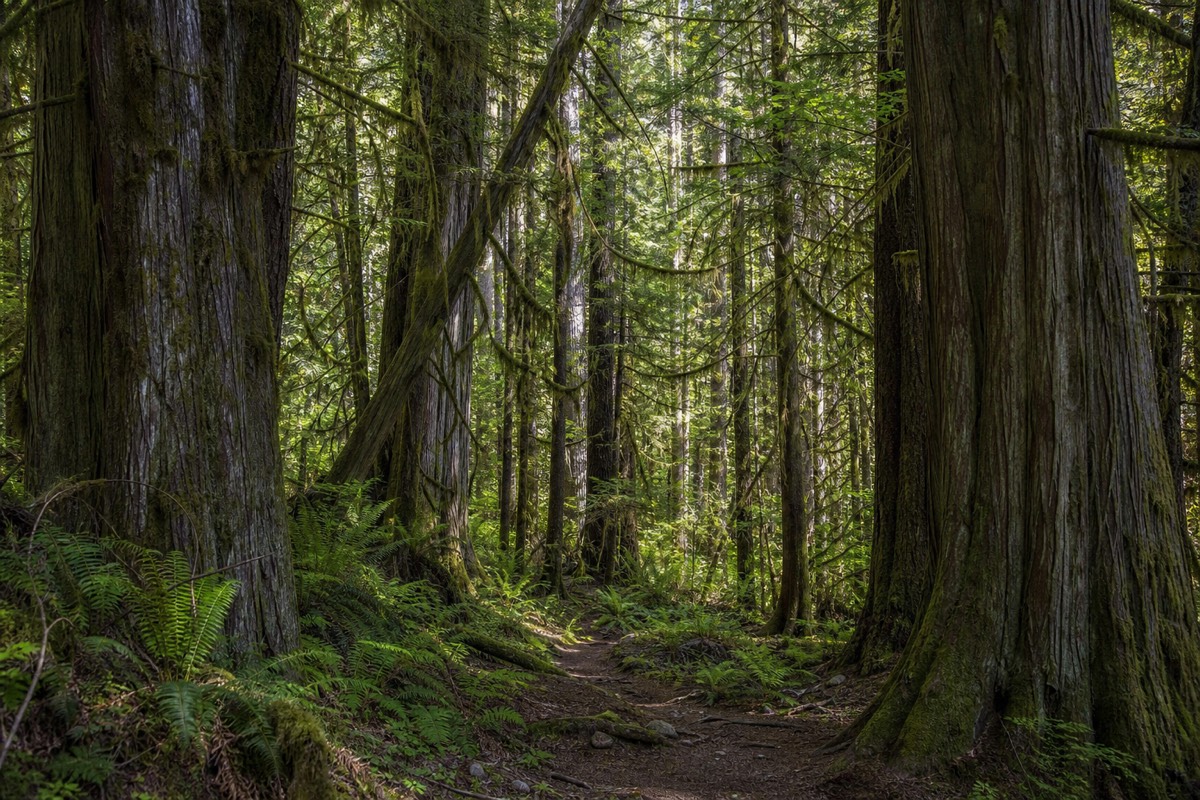
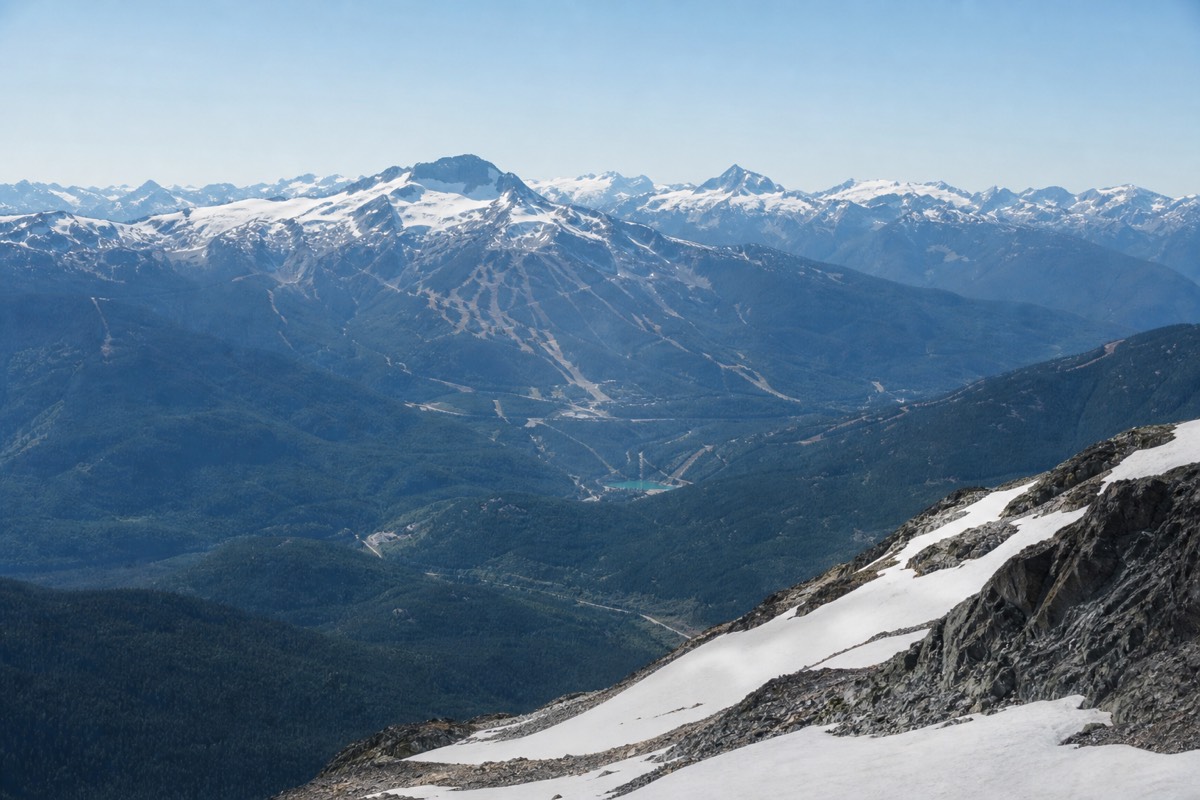
Start high. The Peak 2 Peak Gondola, carries you up one mountain, across the record-setting span between the peaks, and down the other in about two hours. Go early for the clearest air, the shortest lines and light that makes the glaciers glow.
There is no better opening move than riding above the treeline before the day warms up. The gondola gives you both mountains, the valley laid out below, and a summit to walk in summer or a snow-hushed panorama in winter. If you would rather have the day handled and narrated, a guided full sightseeing tour folds the highlights and the local stories into one relaxed morning. Either way, book ahead so a sold-out slot does not eat your only day. For the ticketing and timing detail, our Peak 2 Peak Gondola guide covers it.
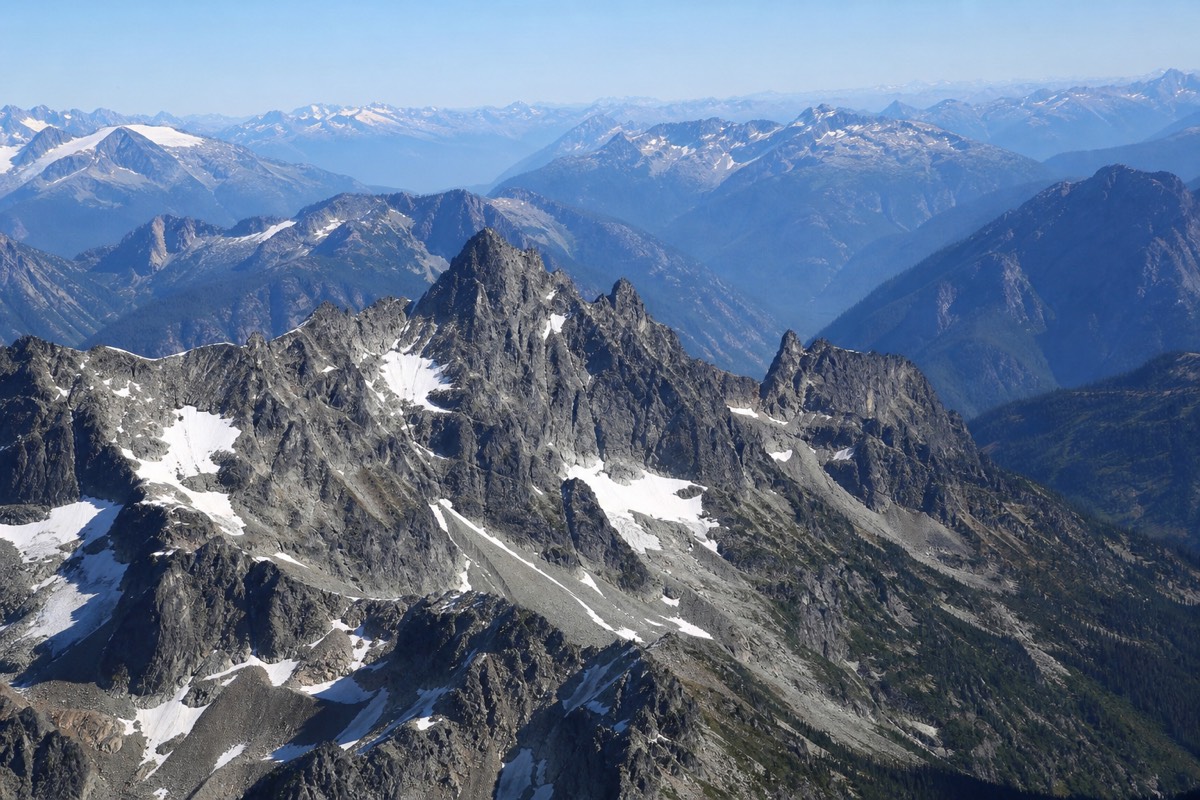
The numbers are part of the appeal. The Peak 2 Peak Gondola crosses 4.4 kilometres between the two mountains, hangs as much as 436 metres above the valley floor, and links the peaks in about eleven minutes. It opened in 2008 and set Guinness records at the time for its unsupported span and its height, and even inside the cabin the scale hits the moment the floor drops away beneath you. Ride it early and you catch the clearest air of the day, before the afternoon cloud builds over the Coast Mountains.
If you are torn between doing it yourself and being shown around, here is the honest comparison for a single day.
| Morning anchor | Time it takes | Best for |
|---|---|---|
| Peak 2 Peak Gondola, self-guided | About 2 hours | Independent visitors who want the views and the freedom to linger |
| Guided full sightseeing tour | About 3 hours | First-timers who want orientation, stories and no logistics |
| Zipline circuit | About 2 hours | Adrenaline-first visitors happy to trade the summit for speed |
Midday: the village, a lake, or a rush of adrenaline
Come down and choose your afternoon speed. Slow means the pedestrian village, a patio lunch and a stroll to Lost Lake. Fast means a zipline through the rainforest . Both fit an afternoon; do not try to do both and neither well.
By early afternoon you are back in the valley with the warmest hours ahead. The car-free village is made for wandering, with galleries, patios and the Olympic Plaza a short loop apart, and a ten-minute walk lands you at Lost Lake for a swim or a shaded bench. If you have adrenaline left over, a zipline tour launches you over old-growth forest and rushing creeks the resort's ski runs never reach. The wider list of options is in our roundup of things to do in Whistler.
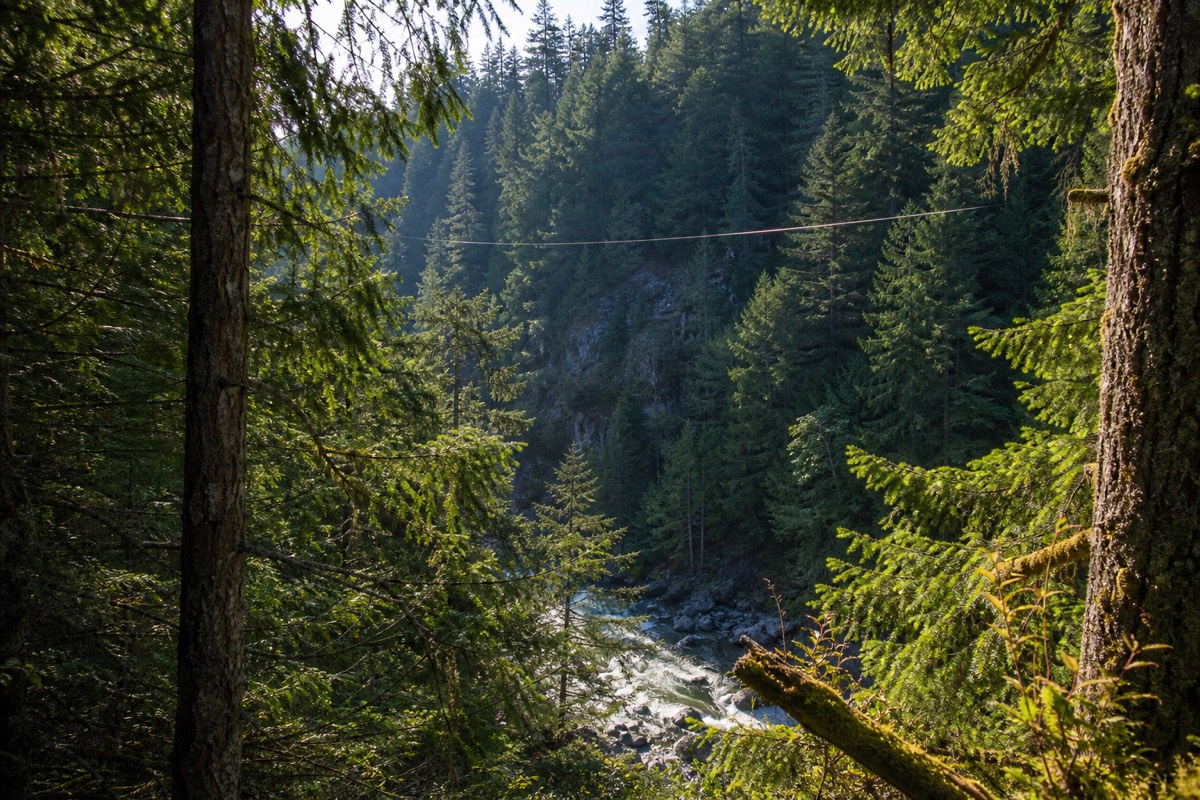
The lakes are the underrated move. Lost Lake sits a flat ten-minute walk or a short shuttle from the village, with a small beach, warm-enough summer water and a loop trail through the trees. Alta Lake, a little further along the Valley Trail is quieter still and framed by the peaks you rode that morning. In winter the same walk becomes a snowshoe or a stroll past frozen shorelines, and the village itself takes over: galleries, the Squamish Lil'wat Cultural Centre, and patios with a fire going. Whichever speed you choose, keep it to one thing. An afternoon split between a zipline and a stroll is an afternoon spent watching the clock.
Lunch is worth a moment's thought, because the village runs on resort time and the best patios fill by half past twelve. Duck in a little early, grab a table with a mountain view, and you turn a refuel into part of the day rather than a queue. If the weather turns, the same core holds its own indoors: the galleries, the cultural centre and a long lunch make a rainy afternoon feel intended rather than salvaged. The point of a single day is not to outrun the clock but to spend each hour where it counts.
Golden hour: the part most day-trippers skip
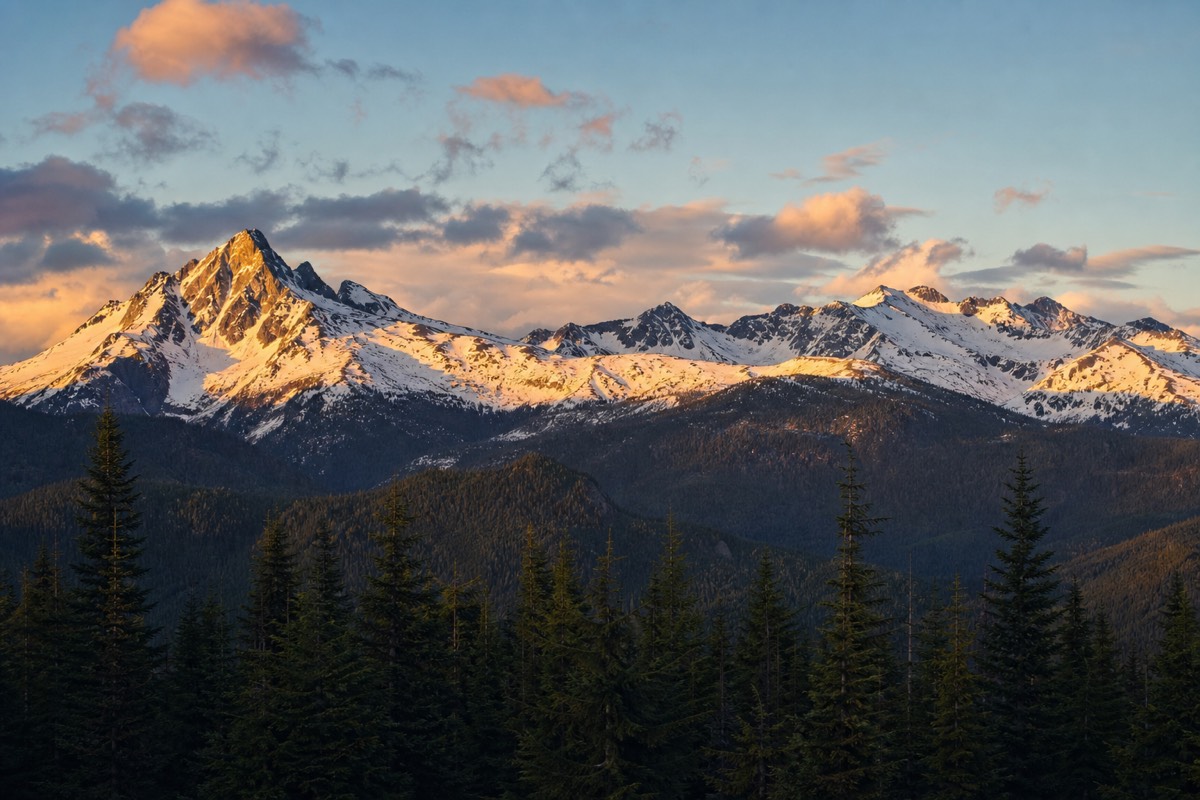
Stay for dusk. The single biggest mistake day visitors make is leaving at five. As the sun drops, the peaks catch alpenglow, the village lights come on, and the patios fill. Grab an early dinner, watch the mountains turn pink and gold, and drive home in the dark with the best memory of the day.
Whistler saves its best light for last. The hour before sunset turns the Coast Mountains a warm rose and gilds the village, and it is when the whole place feels most alive. Settle onto a patio, order dinner while the peaks glow, and let the day wind down instead of racing the clock. The drive back is easy in the evening quiet, and you leave having seen Whistler at its finest rather than clocking out before the show.
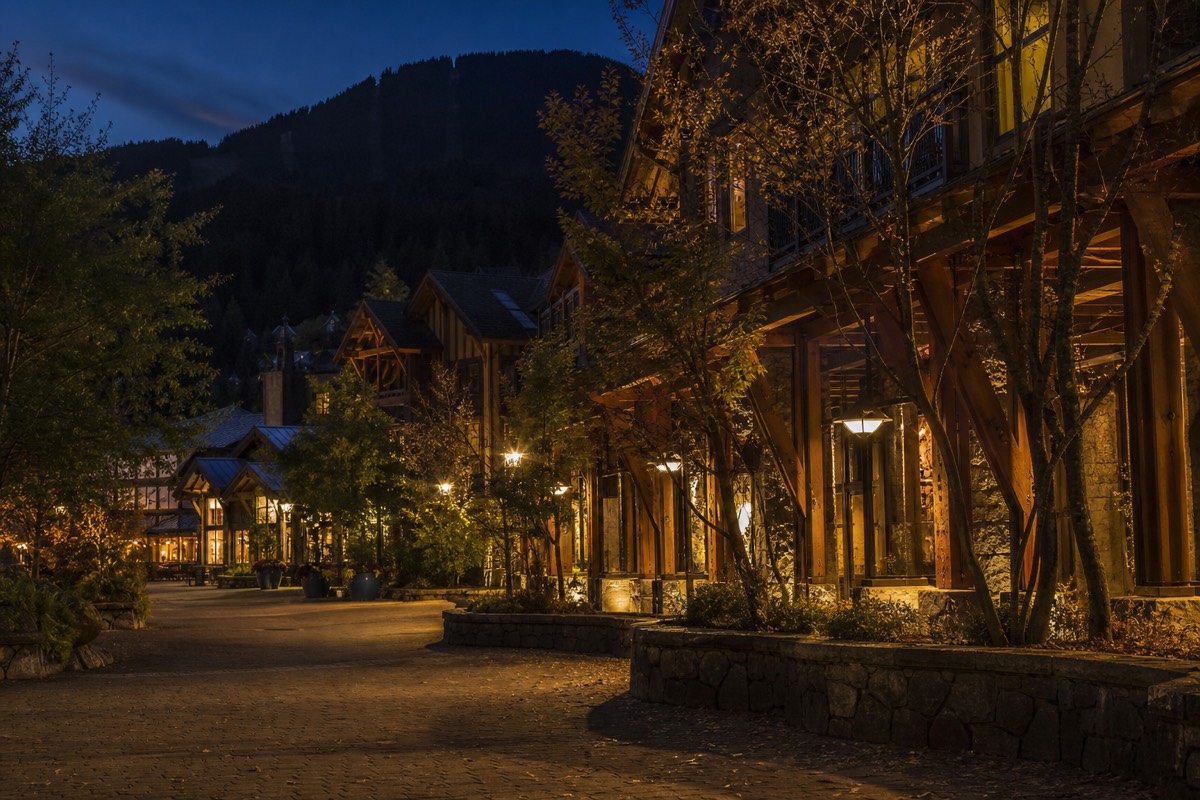
There is a practical reason to stay, beyond the view. Village restaurants fill fast at peak times, so an early dinner at five or half past means you eat well, watch the light change through the window, and still beat both the dinner rush and the drive-home traffic. In summer the alpenglow can linger past nine; in winter the show comes early, around four, so a winter day should shuffle everything forward by a couple of hours. Either way, the last hour of light is the one photograph you actually keep from the trip.
How does the perfect day change with the season?
The shape holds, the details flip. Summer means an alpine gondola, a warm-lake swim and late light past nine. Winter means a snow-hushed ride, a spa or gallery afternoon and an early four o'clock sunset. Start earlier in winter and lean on the village when the daylight runs short.
One day works in any month, but the clock and the content shift with the season. The summer version is generous with daylight and leans outdoors from morning to dusk. The winter version is shorter and warmer-hearted, built around the ride, a hot lunch and the glow of the village after dark. Here is the same day, run two ways.
| Part of the day | Summer | Winter |
|---|---|---|
| Morning | Gondola and a short alpine ridge walk | Gondola for the snowy panorama, or a guided snow tour |
| Midday | Swim or paddle at Lost Lake, patio lunch | Warm lunch, a gallery, or a Scandinavian-style spa |
| Late day | Valley Trail stroll, long light past nine | Village lights, a mulled drink, sunset near four |
| Heading home | Unhurried, drive back in the dusk | Earlier, with an eye on winter road conditions |
Can you do it as a day trip from Vancouver?
Yes. Whistler sits about two hours north of Vancouver on the Sea to Sky Highway, one of Canada's most scenic drives, making a day trip very doable. Leave early, treat the drive as part of the experience with a stop or two, and plan for roughly four hours of round-trip travel.
Coming up from the city is a classic BC day out. The Sea to Sky Highway climbs from ocean to alpine past Shannon Falls and fjord viewpoints, so the journey earns its place in the day rather than just eating it. Start early to bank the morning on the mountain, and check conditions before you go. Our guide to getting from Vancouver to Whistler compares driving, shuttles and transfers so you can pick what suits.
Timing is everything on a round trip. Aim to leave the city by eight and you are parking in Whistler around ten with the whole day ahead. The drive itself deserves a stop: Shannon Falls near Squamish is a two-minute walk from the highway and a fine leg-stretch, while Britannia Beach and the fjord viewpoints make easy pauses on the way home. Check the forecast and road status before you commit, especially in winter, when a mountain pass can stretch a two-hour drive into something slower.
What should you skip on a single day?
Skip anything that eats the whole day or sits far out of the village. On one day, pass on multi-hour backcountry expeditions, the drive to distant trailheads, and trying to ski and sightsee both. Save the bucket-list heli tour and the deep hikes for a trip with room to breathe.
The art of one day is subtraction. A glacier helicopter flight or a full backcountry adventure is glorious, but on a tight schedule it swallows the day and the flexibility you need if weather shifts. Keep the plan to one anchor plus loose valley time, and you will leave satisfied instead of frazzled. When you are ready to give Whistler the room it deserves, weigh it up against the Rockies with how Whistler compares with Banff, or come back for a proper stay.
The other thing to skip is guilt. You will not see everything, and that is the point of coming back. A single day is a scouting mission as much as a trip: you learn which lake you liked, which patio you would return to, and whether the alpine or the village pulled you harder. Most people who spend one good day here start planning a longer one on the drive home.
What should you bring for one day in Whistler?
Pack for the summit, not the valley. Even on a warm day the top of the gondola runs several degrees colder and windier than the village, so a warm layer and a light shell belong in any daypack. Add sun protection, water, comfortable closed-toe shoes and a card for the lifts, and you are set.
The classic day-tripper mistake is dressing for the parking lot. It can be shirt-sleeve weather at the gondola base and near-freezing with wind at the top, which catches out plenty of summer visitors in shorts. A packable warm layer fixes it. Sturdy shoes handle the village cobbles, the lake trails and the alpine boardwalks alike, and a small daypack carries the water and sunscreen the mountain sun demands. In winter, swap in proper insulation, gloves and some traction for icy paths, and the same day runs just as well, only wrapped up warmer.