Whistler with Kids: Family-Friendly Activities
How to plan a Whistler trip with children: the activities that actually suit each age, what changes between summer and winter, and the handful of things little kids should sit out.
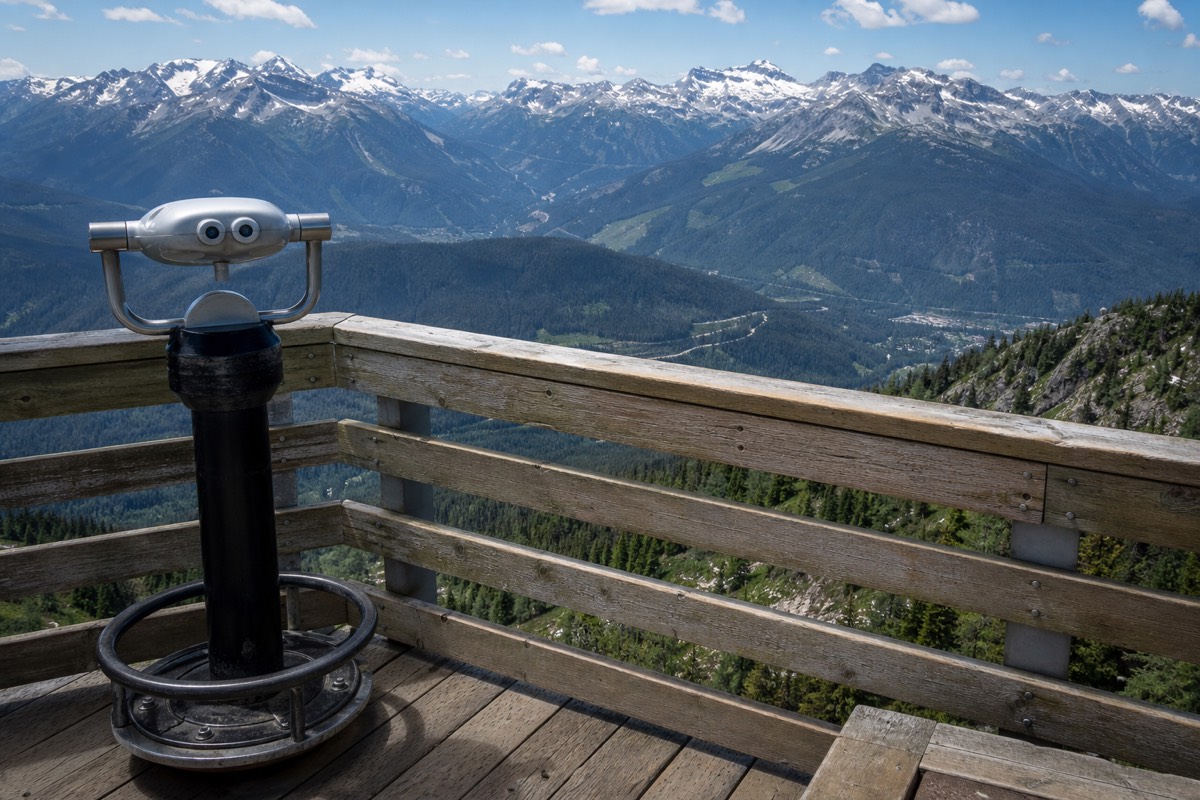
A four-year-old can float 436 metres above a valley floor in a glass-bottomed cabin, and by dinner the same family can be skipping stones at a warm lake beach. Whistler folds an unusual range of things for kids into one small, walkable resort, and the details that trip parents up elsewhere, parking, distances, safe swimming, get simpler here once you understand the layout. This guide sorts the valley's options by season and by age, marks the free ones, and flags the few experiences small children should skip.
Budget note: original price examples below are planning allowances, not current quotes. Compare the provider’s actual date, currency, party and included extras before relying on a figure.
Plan This Experience
Rainy-day choice: Audain Art Museum admission for adults, with children 18 and under free.
At a glance: Whistler with kids, by season
Family picks split by warm and snow months, with the age rules worth checking before you book.
What are the best family activities in Whistler?
The strongest family picks are the Peak 2 Peak alpine, the warm lakes and Valley Trail in summer, and the bubly Tube Park in winter, backed by Olympic Plaza, the Train Wreck Trail and the Sunday market. Match each to your youngest child's age, and most of the valley opens up without a car.
Whistler works for families because almost everything sits along a paved pedestrian spine. You can walk from a hotel to the village, the gondola base, a lake and a playground inside twenty minutes, and the resort's shuttle covers the rest. The trick is not fitting more in, it is matching the activity to the youngest person in your group, because a toddler and a thirteen-year-old want very different days. The table below is a fast filter for that.
| Age group | Great fits | Save for later |
|---|---|---|
| Under 5 | Lakeside beaches, Olympic Plaza playground, a short gondola ride, the Village stroll | Ziplines, snowmobiling, long alpine hikes |
| 5 to 9 | bubly Tube Park, Train Wreck Trail, Lost Lake, PEAK 2 PEAK cabins | Adults-only spa, steep bike-park trails |
| 10 to 12 | Tube Park, easy alpine trails, gentle Valley Trail rides, the market | High-elevation scrambles, most ziplines by weight |
| 13 and up | Guided eBike loops, ziplines (weight permitting), the bike park, alpine walks | Little off-limits, watch stamina at altitude |
Read that as a starting point, not a rule. Plenty of nine-year-olds handle a full alpine day, and plenty of teens would rather laze at a lake than earn a summit. Whistler rewards a slower pace with young kids, so plan one anchor activity a day and leave room for the ice cream and the second swim.
What can families do in summer versus winter?
Summer is lakes, the Valley Trail, alpine gondola rides and the Sunday market. Winter is the tube park, skating, ski and ride school, and snowshoe loops. Shoulder seasons trade crowds for cooler, quieter days, and a few attractions close between mid-fall and early winter, so check dates before you book.
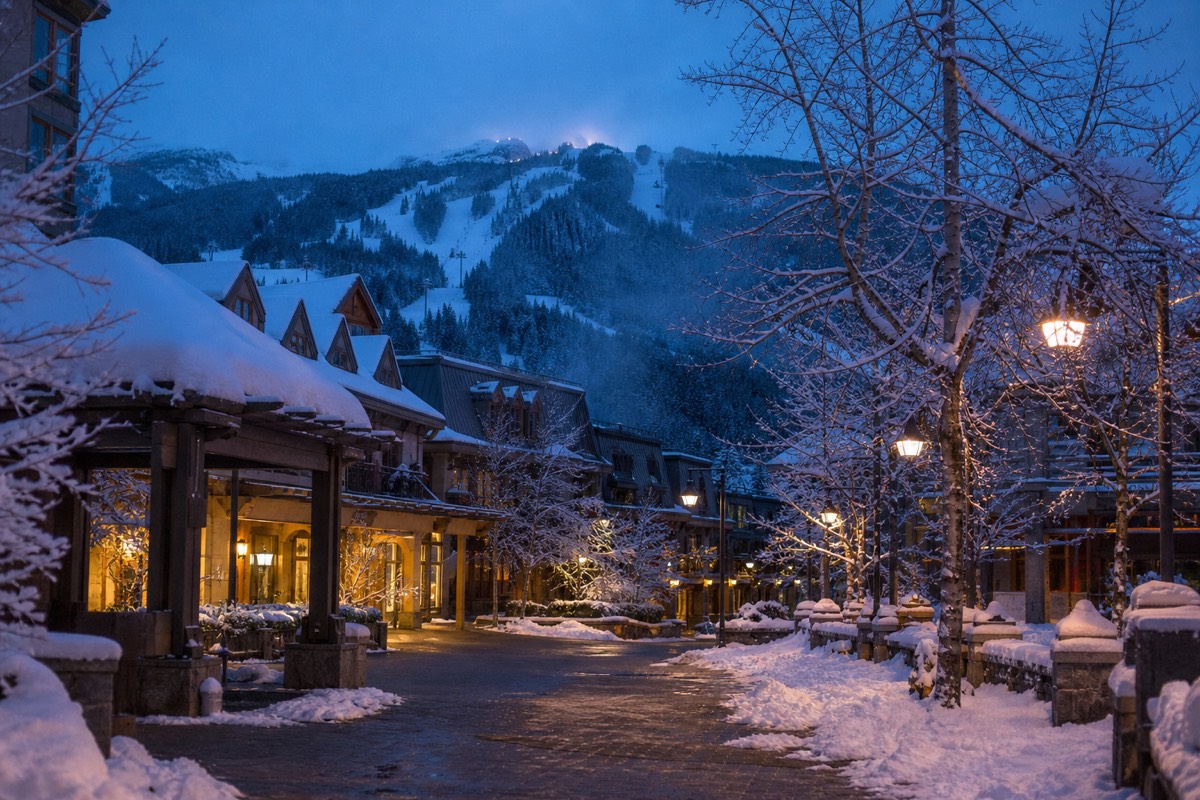
The seasons are almost two different resorts. From roughly late June the alpine opens for sightseeing and the lakes warm enough to swim, and the valley leans outdoors and unstructured. From mid-December the snow activities take over and the village glows after dark, with lessons and the tube park doing the heavy lifting for families who do not ski. The operators we work with at Whistler BC Tours run guided rides in both seasons, and the table sorts the family-facing ones.
| Season | What families do | Good to know |
|---|---|---|
| Summer (late June to Sept) | Swim at Alta Lake, ride the Valley Trail, take the alpine gondola, browse the market | Alpine sightseeing and the Cloudraker Skybridge run roughly mid-June to mid-September |
| Fall (Oct to mid-Nov) | Larch colour on easy trails, quiet village, the last market Sundays | Lifts and lakes wind down, some tours pause, cheaper and calmer |
| Winter (mid-Dec to mid-April) | Tube Park, skating, lessons, snowshoe and sled hills | The tube park runs roughly mid-December to mid-April, weather permitting |
| Spring (late April to June) | Late-season snow up high, melting lakes, fewer crowds | Alpine sightseeing opens late June, book around the gap |
If your dates are flexible, the sweet spots for families are July for reliable lake weather and February for dependable snow. For a wider look at the calendar, our notes on the best time to visit break down crowds and weather month by month, and if you are weighing seasons, the summer versus winter split above is the short version.
Is the Peak 2 Peak Gondola good with kids?
Yes. The Peak 2 Peak Gondola is one of the easiest big-ticket thrills for children: a short walk from the village, no fitness needed, and glass-bottom cabins that turn the 436-metre crossing into a game. The Summer Alpine Experience adds the Cloudraker Skybridge, open roughly mid-June to mid-September.
The gondola is the rare Whistler highlight that suits a toddler and a teenager equally. You ride the Whistler Village Gondola up, cross to Blackcomb on the Peak 2 Peak, and let the kids hunt for the glass-bottom cabins, which appear on a rotation and draw a short queue of their own. A scenic gondola ride sits among the most-booked things in the valley, and it is listed around $100, so check the live listing for current family and child pricing.
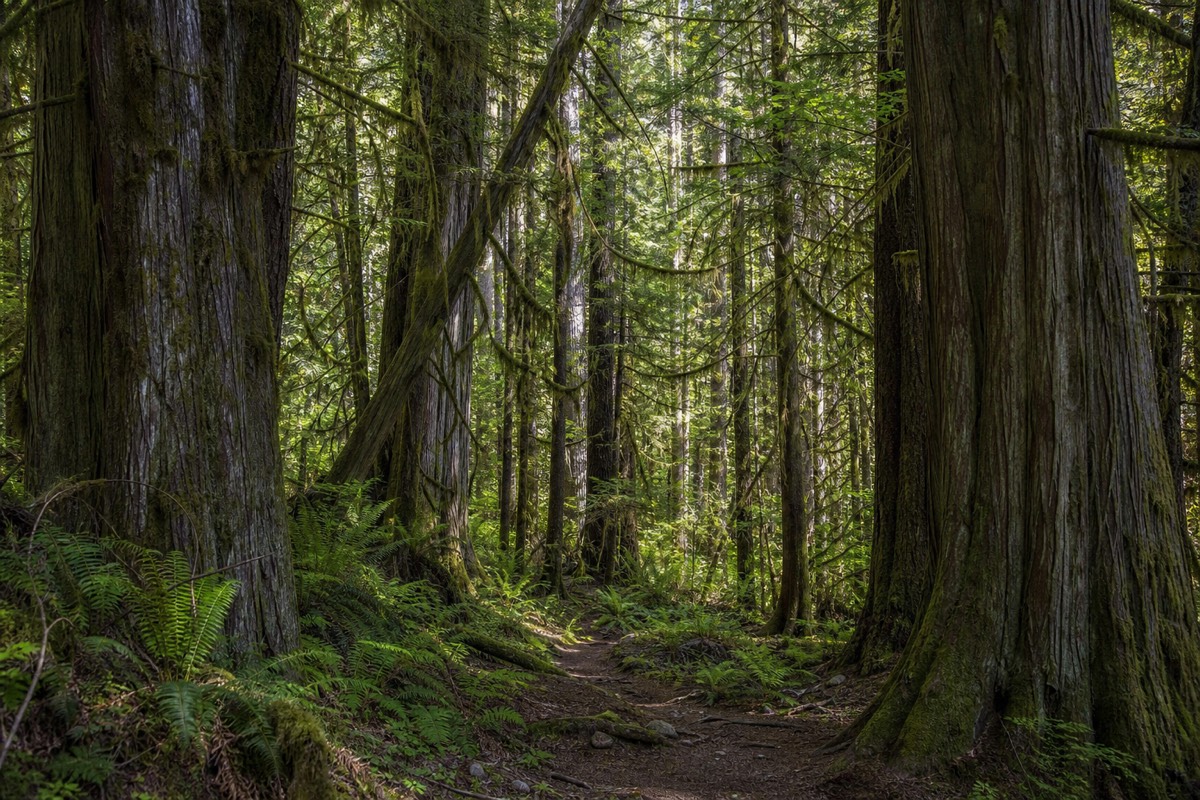
In summer the Summer Alpine Experience ticket adds the top of Whistler Mountain, including the 130-metre Cloudraker Skybridge and the Raven's Eye platform, reached by the Peak Express chair. Both opened for the 2026 season in mid-June and usually run until the middle of September. The bridge is a genuine wow for older kids, though nervous younger ones can watch from the platform instead. Bring layers whatever the valley thermometer says, because the alpine runs five to ten degrees cooler. If the gondola is the reason you came, our dedicated Peak 2 Peak Gondola guide covers tickets, timing and the glass-bottom cabins in detail.
Should you take kids to the bubly Tube Park?
For a winter family half-day, the tube park is the best value in the valley. Kids slide groomed lanes and ride a conveyor belt back up, so nobody trudges uphill. The minimum age is 3, under-12s need an adult, and the park runs roughly mid-December to mid-April at the base of Blackcomb.
The bubly Tube Park, long known as the Coca-Cola Tube Park is the answer to the classic Whistler winter problem: what do young children do when the family does not ski. Multiple lanes fan out with different steepness, so a cautious five-year-old and a fearless ten-year-old both find their level, and a magic-carpet conveyor carries everyone back to the top. It sits at the foot of Blackcomb, reached by the Excalibur Gondola, with about 1,000 feet of sliding on offer.
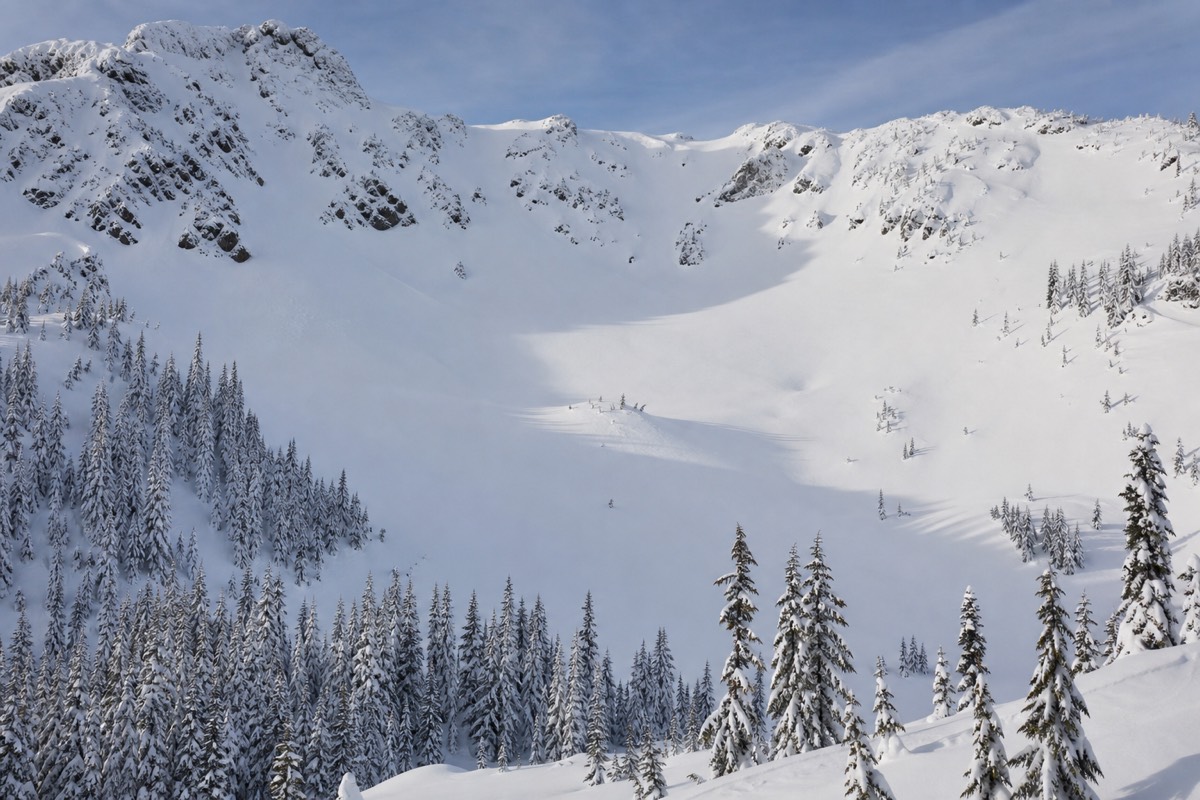
Hours run around 11am to 6pm on weekdays and open earlier, near 10am, on weekends, though weather can shorten a day. The season is roughly mid-December to mid-April. Book a session online in peak weeks, dress kids as you would for skiing, and plan ninety minutes to two hours before little hands get cold. For families who want the wider winter picture, our roundup of winter activities besides skiing covers skating, snowshoeing and sleigh rides too.
Which Whistler lakes and beaches work for families?
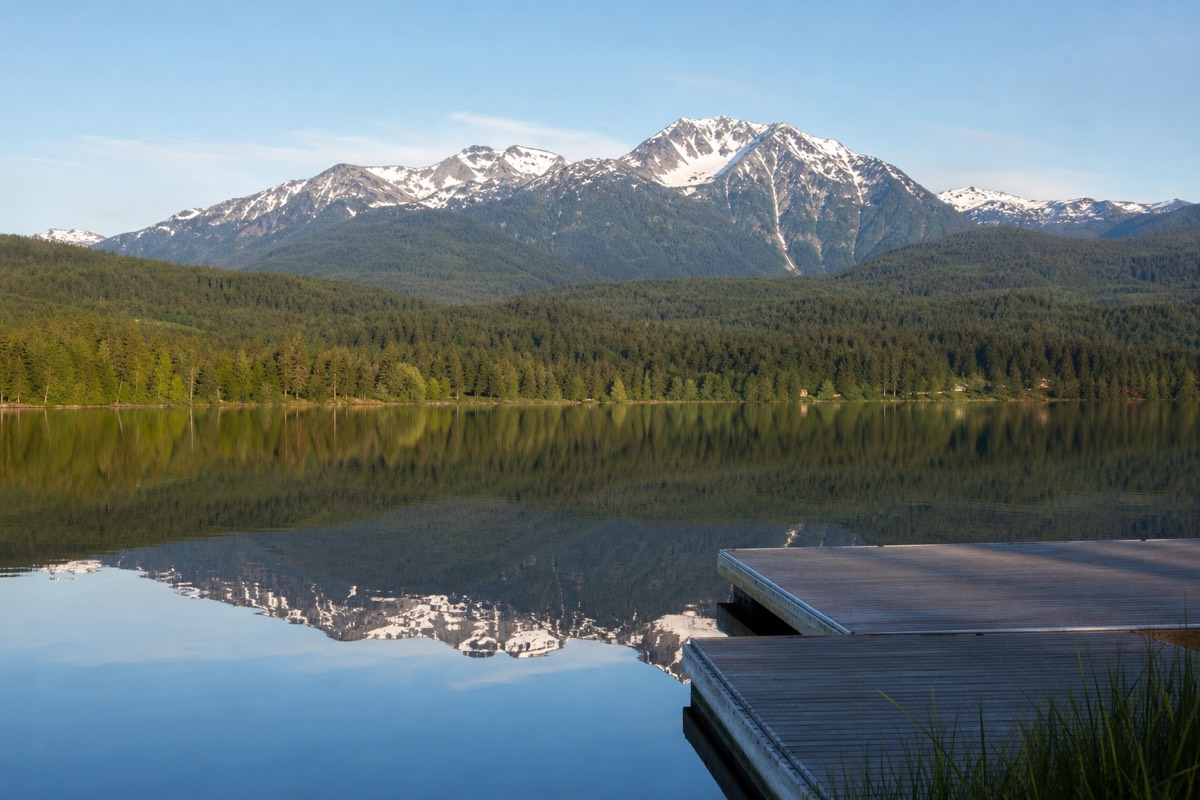
Alta Lake is the family swimming hub, with Rainbow Park and Lakeside Park offering grass, docks and shallow entry. Lost Lake adds a sandy swimming beach a short ride from the village. All are free, open dawn to dusk in the warm months, and reachable on foot or by bike along the Valley Trail.
Whistler's lakes are warmer than most mountain water, and in July and August they are the heart of a family day. Alta Lake is the anchor. Rainbow Park on its west shore is the classic pick, with lawns, a dock, a swimming area and views straight down the lake to the peaks, while Lakeside Park and Wayside Park give quieter, smaller alternatives on the east side. Lost Lake, a short pedal or the resort shuttle from the village, has a proper sandy beach and calm shallow water that suits toddlers.
| Spot | Best for | Getting there |
|---|---|---|
| Rainbow Park (Alta Lake) | Lawns, dock, wide swimming area, big views | Valley Trail by bike, or the summer shuttle |
| Lakeside Park (Alta Lake) | Small kids, shallow entry, paddle rentals nearby | Short Valley Trail ride from the village |
| Lost Lake | Sandy beach, calm water, picnic tables | About 2.1 km on the Valley Trail, roughly 10 minutes by bike |
Pack water shoes for the pebbly entries, and note the lakes have no lifeguards, so young swimmers need close eyes on them. Paddleboard and canoe rentals cluster around Alta Lake if you want to get on the water rather than in it.
Is the Train Wreck Trail a good family hike?
The Train Wreck Trail is the best short adventure for kids in Whistler: about 2 km round trip on flat ground, a suspension bridge over the Cheakamus River, and a scatter of graffiti-covered boxcars to explore at the end. Parking is free, it sits 10 to 15 minutes south of the village, and it suits almost any age.
Few walks pay off this fast. From the free trailhead lots in Cheakamus Crossing, the path runs a kilometre through forest to a suspension bridge built over the river in 2016, then reaches the wrecked boxcars almost immediately after, a total of roughly twenty to thirty minutes each way. The cars, left from a 1950s derailment and now covered in rotating street art are catnip for kids who have run out of patience for scenery. The whole loop is around 2 km with barely any climbing.
Go early on summer weekends, because the small lots fill fast. Keep children back from the riverbank, which moves quickly and cold, and treat the boxcars as things to photograph and clamber gently, not to climb high on. It is one of the valley's genuine free highlights, and it appears again in our guide to free things to do in Whistler.
What is at Whistler Olympic Plaza for kids?
Whistler Olympic Plaza is a free, central playground and green with room to run, summer stages and events, and an outdoor skating loop in winter. It sits at the north end of the Village Stroll, making it the easiest place to burn off energy between other plans, whatever the season.
Built for the 2010 Games, Olympic Plaza has settled into its best role as the family living room of the village. In summer the lawns host free concerts and festivals, the big playground keeps younger kids busy, and the Olympic rings make the standard photo. Come winter the plaza flips to an outdoor skating loop, with rentals running about CA$8 a person, or roughly CA$2 if you bring your own skates, so a family can skate for the price of a snack. Check current hours locally, since the ice depends on the weather.
Because it anchors the north end of the pedestrian stroll, the plaza pairs naturally with a wander through the village, an ice cream, and a stop at whichever event is on. It is the definition of a low-effort, high-reward stop with children.
What are the best rainy-day and indoor options?
When the weather turns, families have real indoor choices: the Audain Art Museum, the Squamish Lil'wat Cultural Centre, the Meadow Park pool and rink, and the after-dark Vallea Lumina forest walk. None depend on sun, and two of them, the museum and cultural centre, sit right in the village.
Whistler rains, especially in spring and fall, so a wet-weather plan matters. The options below range from quiet and cultural to loud and physical, which is usually the range a mixed-age family needs across a soggy afternoon.
| Option | What it is | Rough time |
|---|---|---|
| Audain Art Museum | British Columbia art in a striking building, calm and indoor | 1 to 2 hours |
| Squamish Lil'wat Cultural Centre | First Nations history, craft, films and hands-on activities | 1 to 2 hours |
| Meadow Park Sports Centre | Municipal pool with a slide, plus a skating rink | Half a day |
| Vallea Lumina | Illuminated night walk through the forest, story-led | Around 1 to 1.5 hours after dark |
The Meadow Park pool is the reliable release valve for restless kids, with a slide and shallow area, and it charges a simple drop-in admission. Vallea Lumina works even when it drizzles, since the forest canopy shelters much of the route, and it fills the awkward post-dinner hours that can undo a tired family.
How easy is Whistler with strollers and for accessibility?
Whistler is unusually stroller-friendly. The Village Stroll and much of the paved Valley Trail are flat, smooth and car-free, the gondolas and their base lodges are wheelchair accessible, and the resort shuttle is low-floor. The steep exceptions are backcountry trails and the alpine walking routes up top.
Because the core of Whistler was designed for walking, a stroller rolls almost everywhere at valley level. The Village Stroll is paved and pedestrian-only, and the Valley Trail links lakes, parks and the village on smooth, gentle grades that also suit balance bikes and scooters. The Whistler Village, Blackcomb and Peak 2 Peak gondolas accommodate wheelchairs, and the base lodges have elevators and accessible restrooms, so the marquee alpine ride is open to almost everyone.
Where it gets harder is off the pavement. The alpine hiking trails at the top of the gondola are rocky and uneven, the Train Wreck path is flat but unpaved, and the bike park is not a stroller environment. For getting to the resort in the first place, our guide to reaching Whistler from Vancouver runs through car seats, shuttles and the drive.
Where should families eat in Whistler?
Families eat well and cheaply in Whistler by leaning on the village's casual spots: pizza and pasta counters, bakeries, and patios with room for strollers. Many hotels have kitchens, and the Sunday Farmers' Market doubles as a moveable lunch, so you rarely need a formal dinner to feed everyone.
The village is dense with kid-friendly food, and the pedestrian layout means you can walk between options while the group votes. Casual pizza and pasta places, burger counters, and bakeries handle the picky-eater problem, and many have patios where a stroller fits and a toddler meltdown is nobody's crisis. Self-catering is easy too, since a lot of Whistler lodging comes with a kitchen, which takes the pressure off breakfast and late dinners.
The best midday move in season is the Whistler Farmers' Market, held Sundays from mid-May to mid-October, roughly 11am to 4pm, on the Upper Village Stroll at the base of Blackcomb. Up to ninety vendors turn it into a graze-as-you-go lunch of fresh food, baking and treats, and it is free to wander, which makes it a family win twice over.
How do you keep kids safe in Whistler?
The main things to manage are bears, sun and altitude, and cold fast water. Keep food sealed and give bears space, layer up and screen against strong alpine sun, watch unlifeguarded lakes and rivers closely, and pace the first day at elevation. None of it is dramatic, and all of it is routine with a little planning.
Whistler is a wild place with a resort wrapped around it, so black bears are a normal sight, especially in spring and early summer. Never feed or approach them, keep food and scented items secured, and teach kids to back away slowly and calmly rather than run. The alpine sun is stronger than the valley suggests, so sunscreen, hats and water matter more up high, where it is also markedly colder.
| Watch for | Why | Simple move |
|---|---|---|
| Bears | Common in the valley, drawn to food | Give space, secure snacks, do not approach |
| Alpine sun and cold | Stronger UV, temperatures 5 to 10 degrees cooler up top | Sunscreen, hats, water, warm layers |
| Lakes and rivers | No lifeguards, cold fast water at Train Wreck | Close supervision, stay back from banks |
| Altitude and pace | Kids tire faster at elevation | Ease into day one, hydrate, snack often |
One planning note that saves tears: the Scandinave Spa, a favourite Whistler escape is adults-only at 19 and up, so it is a date, not a family outing. Beyond that, the valley is forgiving. Keep an eye on the water, respect the wildlife, and Whistler with kids is far less complicated than its scenery makes it look. For the broader list of what fills a family week, our overview of things to do in Whistler and the picks nobody should skip are the natural next reads.