Banff vs Whistler: Which Should You Visit?
Both get called the best mountain destination in Canada, and both are right, for different travellers. Here is the honest comparison.
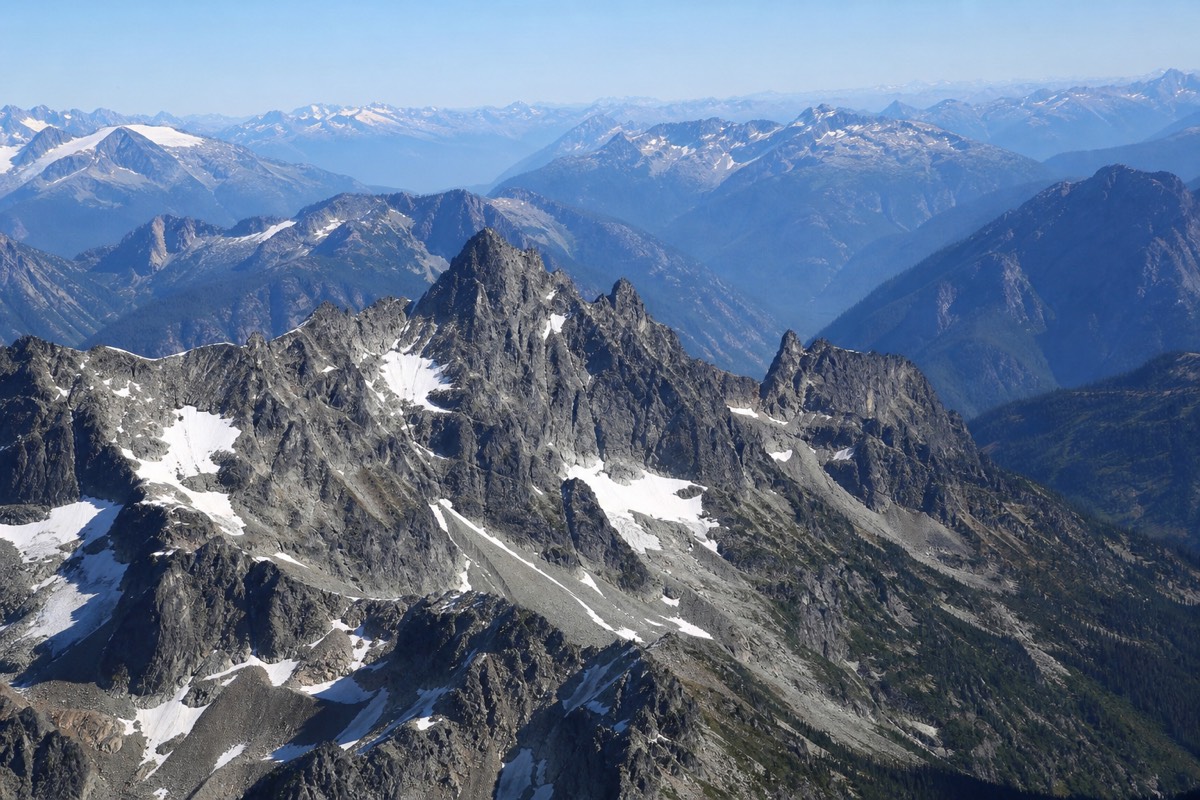
Ask two Canadians which mountain town wins and you will get two confident, opposite answers. Banff has the postcard lakes and the national-park grandeur of the Rockies. Whistler has the biggest resort and a purpose-built village two hours from a major international airport. They are genuinely different trips, and the right one depends on you.
We run tours in Whistler, so treat this as a home-town view, but an honest one. Banff is superb, and this guide says so plainly where it earns it. What the team at Whistler BC Tours can add is the on-the-ground detail of what each place is actually like across the seasons, so you can choose with your eyes open.
Budget note: original price examples below are planning allowances, not current quotes. Compare the provider’s actual date, currency, party and included extras before relying on a figure.
Plan This Experience
A three-hour guided valley introduction, with transport between the sights.
A quick word on method before the comparison. Everything below leans on what each destination is genuinely like across a full year, not a single postcard season, and it hands Banff the categories it wins without hedging. The aim is a decision you can trust, whichever way it ends up pointing you.
At a glance: where each destination leads
An honest, category-by-category read. Banff leads on scenery and roadside wildlife; Whistler leads on resort scale, village and adventure tours.
Which is better, Banff or Whistler?
Neither wins outright. Banff edges it for iconic scenery, turquoise lakes and roadside wildlife. Whistler edges it for the single biggest ski resort, a lively pedestrian village, easier airport access and a deeper menu of guided adventure tours. Pick Banff for the views, Whistler for the resort experience.
The honest verdict is that they excel at different things. If your dream trip is glassy alpine lakes, golden larch and elk grazing beside the road, Banff is hard to beat. If it is a huge ski mountain, a walkable village humming at night and a long list of tours to book, Whistler is your place. The at-a-glance table sets out where each one leads.
| Category | Banff | Whistler |
|---|---|---|
| Nearest airport | Calgary, about 1.5 hours | Vancouver, about 2 hours |
| Ski terrain | Three separate resorts | One vast resort, two mountains |
| Snow character | Cold, dry, lighter | Deep coastal snow, more of it |
| Signature scenery | Turquoise lakes, larch, Rockies | Coast peaks, glaciers, rainforest |
| Village or town | Real town in a national park | Purpose-built pedestrian village |
| Summer tours | Hiking, canoeing, sightseeing | Bike park, zipline, heli, gondola |
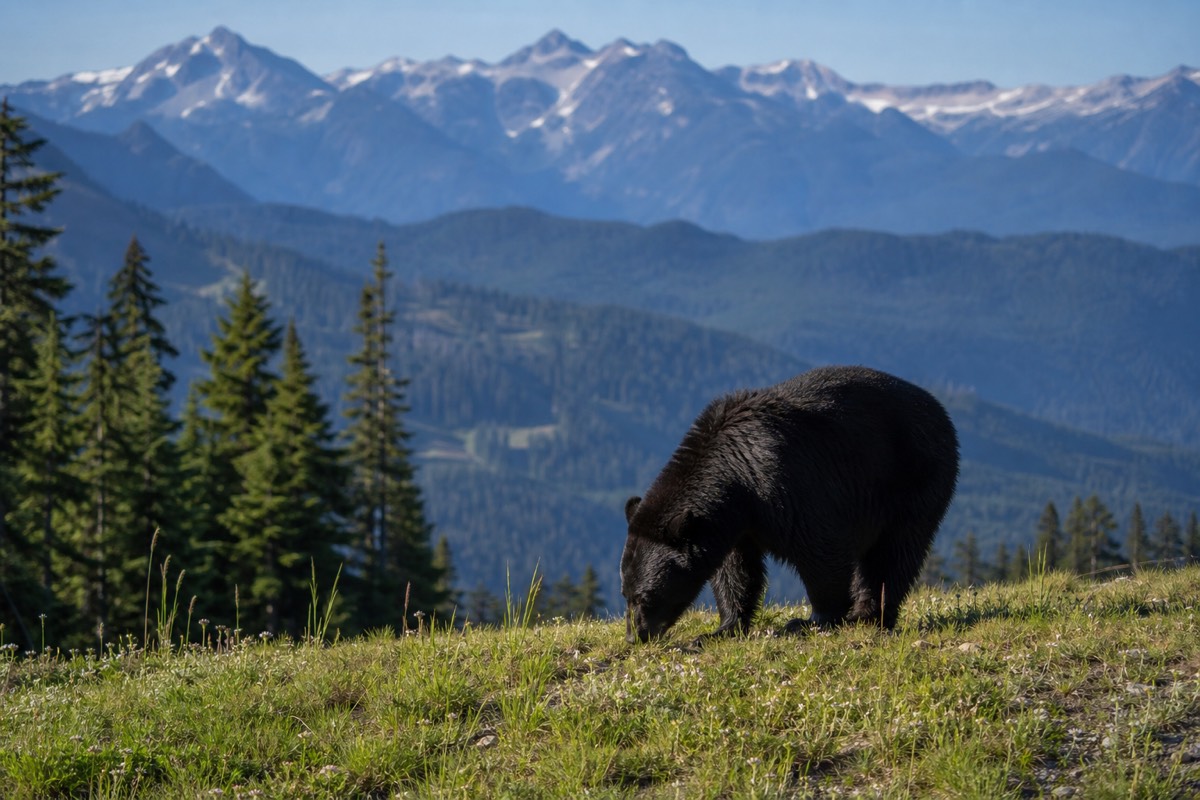
| Roadside wildlife | Elk, bighorn sheep, bears | Black bears on the ski runs |
| Park fee | Parks Canada pass required | No national-park entry fee |
One more framing helps. Banff is a destination you look at; Whistler is a destination you do. Both descriptions are compliments. If your ideal holiday is built around the sight of a glacier-fed lake at first light, the Rockies deliver something Whistler cannot quite match. If it is built around a full day of gondolas, trails and a lively dinner without ever moving the car, Whistler is hard to beat. Neither is the wrong answer, and the categories that follow show exactly where each pulls ahead.
How far apart are Banff and Whistler?
Banff and Whistler are about 790 kilometres apart (roughly 490 miles), a drive of around nine to ten hours through interior British Columbia. They sit in different mountain ranges and different provinces of experience, so they are not a practical two-in-one trip unless you have a week and love long drives.
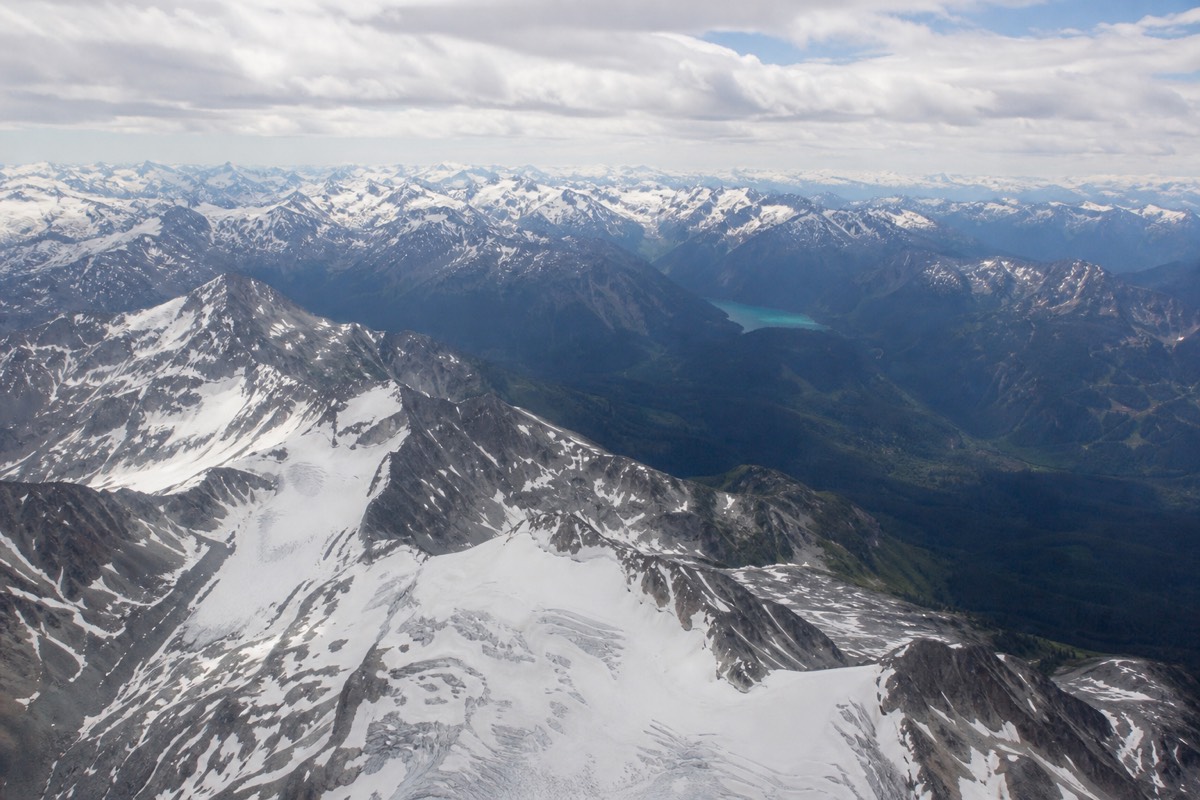
Whistler is in the Coast Mountains of British Columbia, north of Vancouver. Banff is in the Canadian Rockies of Alberta, west of Calgary. The road between them crosses a big chunk of BC, and while the scenery is lovely, it is a full travel day in each direction. Most visitors choose one, base there, and go deep rather than splitting a trip in half.
If you do want both in one holiday, treat them as two separate bases with a flight or a long drive between, not a side trip. For a single destination done well, our advice on how many days you need in Whistler will serve you better than trying to bolt on the Rockies.
The gap is not just distance, it is character. Between the two lie the Fraser Canyon and the interior ranges of British Columbia, a drive that is scenic in its own right but long, with mountain passes that demand respect in winter. There is no quick hop. That is why the pair rarely share an itinerary unless a traveller has ten days and a real appetite for the road, and why almost everyone is better served choosing one and going deep.
Which is easier to reach?
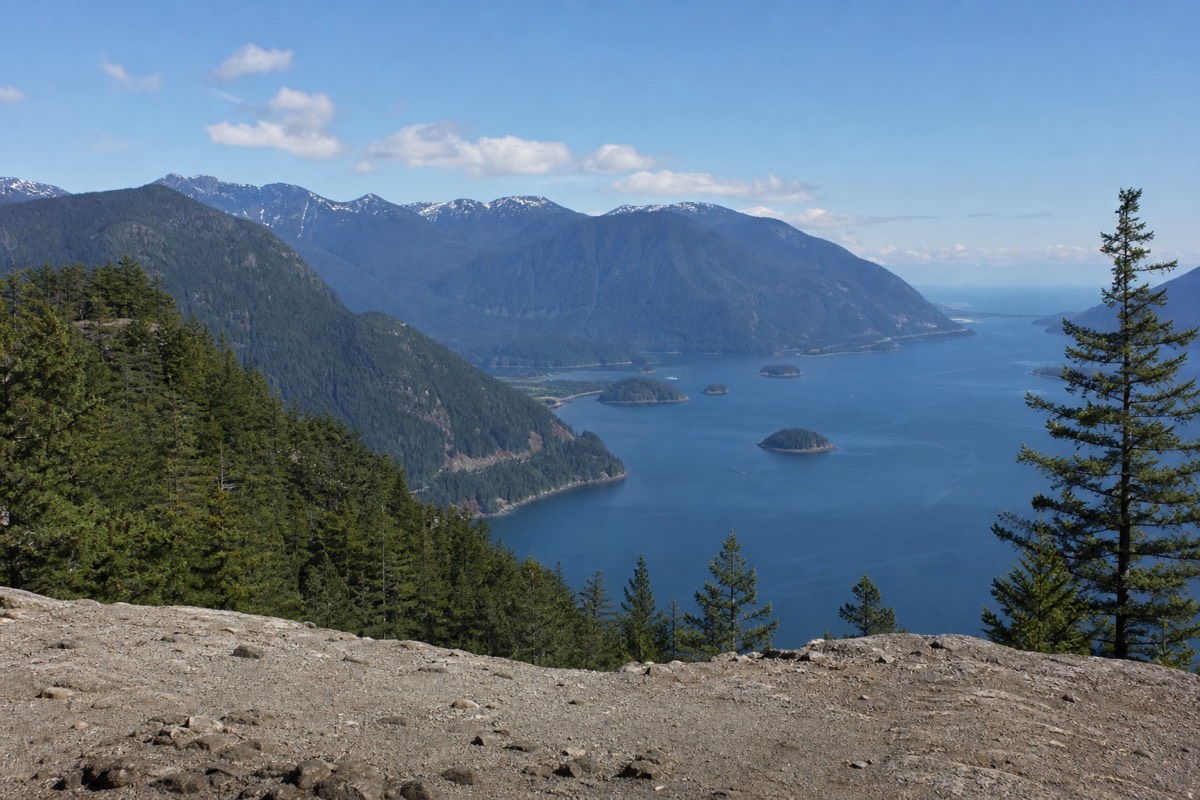
Both are close to a major airport, with a slight edge to Whistler for international arrivals. Whistler sits about two hours from Vancouver on the Sea to Sky Highway; Banff is about 1.5 hours from Calgary on the Trans-Canada. Vancouver is the larger global gateway, and its drive up is one of Canada's great scenic roads.
Neither destination is hard to get to. Banff's shorter airport transfer is offset by Whistler's arrival city: Vancouver has more direct international flights and a coastal setting that makes the approach itself memorable. The Sea to Sky Highway climbs from ocean to alpine in two hours past waterfalls and fjord views. Our guide to getting from Vancouver to Whistler lays out every option, and DriveBC is the page to check for live road conditions before you set off.
| Factor | Banff | Whistler |
|---|---|---|
| Airport | Calgary (YYC) | Vancouver (YVR) |
| Drive time | About 1.5 hours | About 2 hours |
| Approach scenery | Prairie into Rockies | Ocean into Coast Mountains |
| International access | Good | Excellent, larger gateway |
For an international visitor, the arrival experience tilts toward Whistler. Vancouver handles far more long-haul flights than Calgary, so the odds of a direct connection are better, and the airport sits close to the coast where the Sea to Sky drive begins. Banff answers with a shorter transfer and a simpler, faster road in from Calgary. Neither is a chore, but a jet-lagged traveller stepping off a transpacific flight will often find Whistler the gentler landing.
Which has better scenery?
This is Banff's strongest category. The turquoise of Lake Louise and Moraine Lake, the golden larch of the high passes and the sheer Rockies are among the most photographed sights in Canada. Whistler answers with rugged Coast peaks, blue glaciers and temperate rainforest, a wilder, less manicured beauty.
If a single view is the point of your trip, Banff probably wins it. Those glacier-fed lakes and the larch valleys are genuinely world-class, and the density of postcard scenes along the Icefields Parkway is unmatched. Whistler's scenery is more about scale and variety than one iconic shot: ancient rainforest at the base, alpine meadows and glaciers up top, and a coastline within reach. A helicopter flight over the glaciers is the closest Whistler comes to a Banff-lake wow moment, and it is a spectacular one.
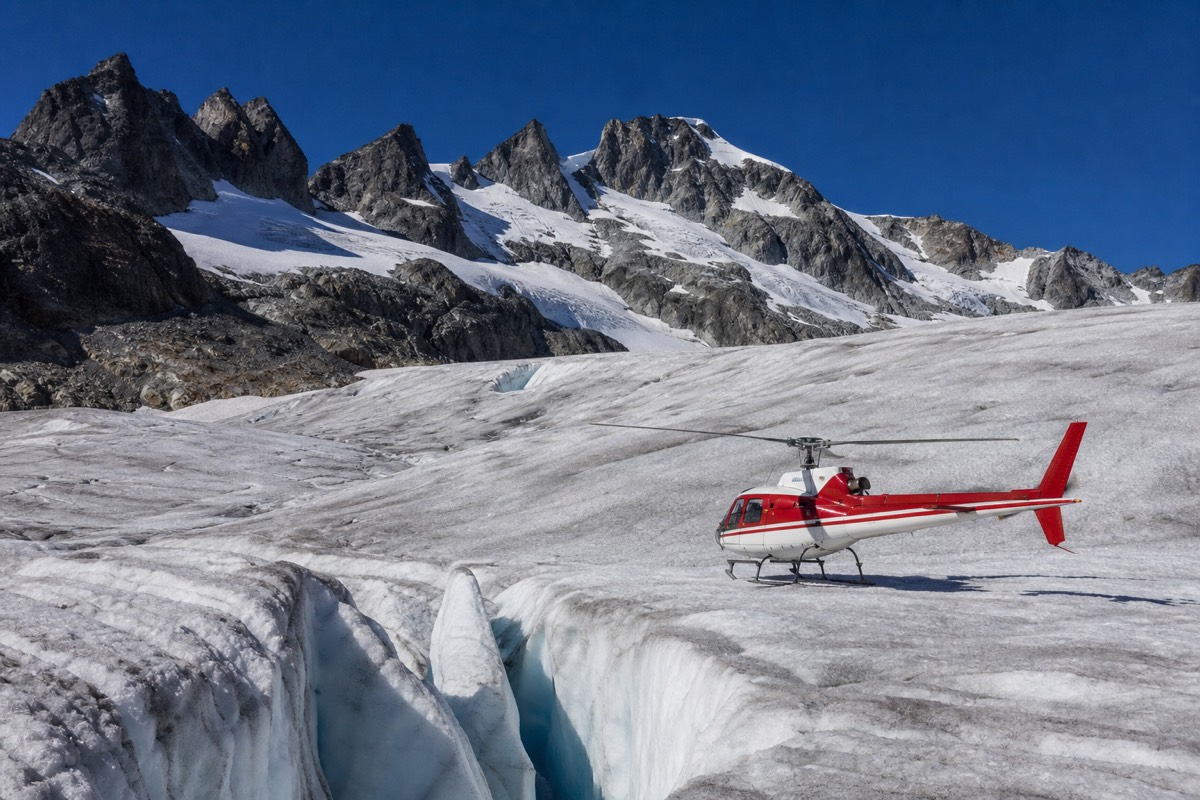
On the larch question, Whistler does have accessible golden larch on the Mount Sproatt and Rainbow-Hanging Lake trails in late September, though the famous larch marches remain a Rockies signature. The seasonal detail sits in the best time to visit Whistler.
It helps to be precise about why Banff wins here, because it is not simply a matter of prettier. The Rockies concentrate their drama: turquoise lakes, sheer limestone walls and golden larch sit within a short drive of one another, so the density of jaw-dropping views per hour is extraordinary. Whistler's beauty is more dispersed and more layered, running from rainforest valley to glaciated summit, and it rewards effort over a roadside pull-off. For the single most photographed scene of a trip, Banff takes it. For sheer variety of landscape in one place, Whistler holds its own.
Banff vs Whistler for skiing: which wins?
Whistler wins on scale and convenience; Banff wins on snow quality and variety. Whistler Blackcomb is one of the largest resorts in North America, all in one place, with deep coastal snow. Banff's three separate ski areas offer colder, drier powder and a national-park backdrop, but you drive between them.
For a ski trip, the trade-off is real. Whistler concentrates more than 8,000 acres into two connected mountains you reach on foot from the village, and its maritime snowfall is heavy and frequent. Banff spreads its skiing across Mount Norquay, Sunshine Village and Lake Louise, which means more variety and famously light, dry snow, but also more time in the car and a colder climate. Whistler's village nightlife is also livelier and more walkable.
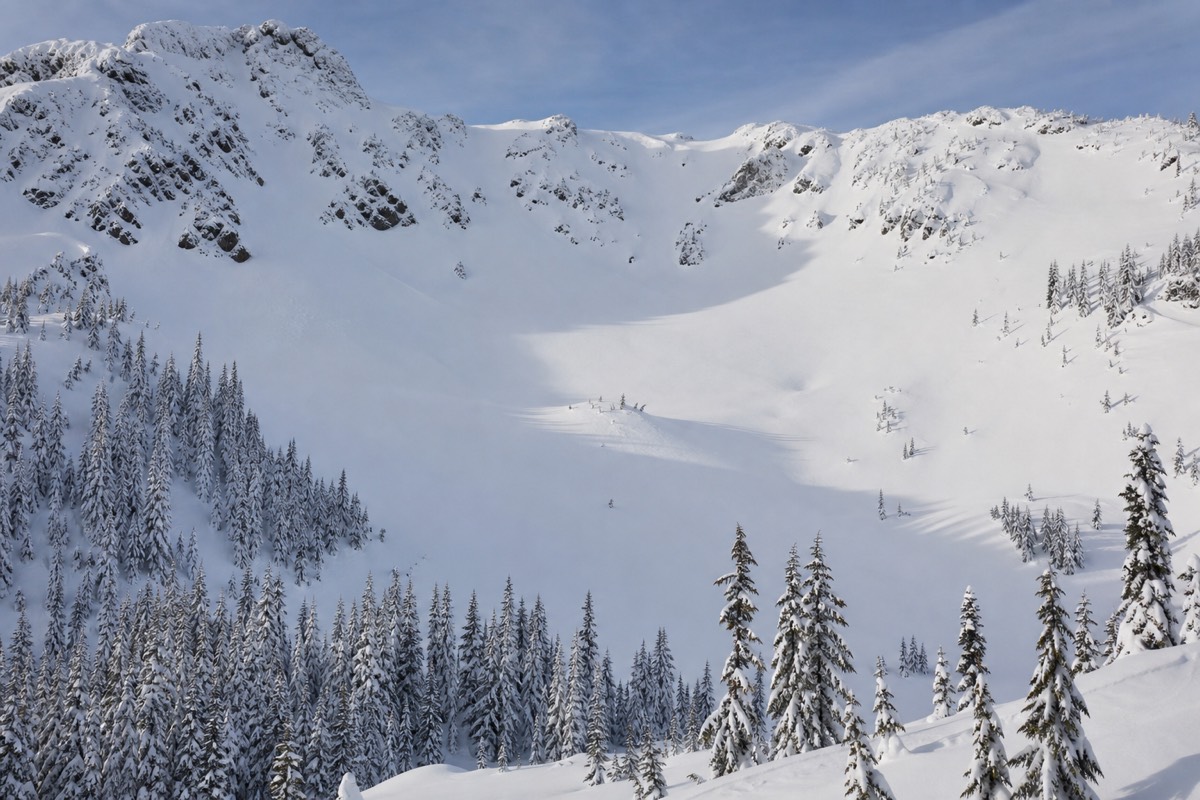
Off the slopes, both deliver. Whistler's winter menu of snowmobiling, ice fishing and ziplining is deep, and covered in winter beyond the ski runs. Banff leans on hot springs, its town, and Lake Louise's frozen setting.
| Ski factor | Banff | Whistler |
|---|---|---|
| Layout | Three areas, drive between | One resort, ski from the village |
| Terrain size | Large across three areas | Among the largest in North America |
| Snow type | Cold, dry, light | Deep, frequent, coastal |
| Village at night | Town of Banff, spread out | Compact, lively, walkable |
| Season length | Long, into spring | Long, opens Nov 20, 2026 |
The raw scale settles part of the debate. Whistler Blackcomb runs to 8,171 acres across two connected mountains, with more than 200 runs, over thirty lifts, sixteen alpine bowls and three glaciers, all reachable on foot from the village. Banff's three areas, Mount Norquay, Sunshine Village and Lake Louise, add up to a large and varied whole, but you drive between them and stay in town rather than slopeside. The trade is convenience and snow volume at Whistler against snow quality, variety and a national-park setting at Banff. Powder purists lean to the drier Rockies; anyone who values skiing straight from the door leans to Whistler.
Two smaller factors can tip a ski decision. Families and mixed-ability groups often prefer having every run reachable from one village, the way Whistler is laid out, so nobody loses a morning shuttling to a separate area. Night owls tend to lean Whistler as well, where the compact pedestrian core keeps the whole after-ski scene within a short, well-lit walk. Banff's counter is its town: a genuine community with its own restaurants, hot springs and mountaineering history that a purpose-built resort cannot quite replicate. Beginners do well at either, though Whistler's single big learning area is simpler to find your feet on during a first trip. Which of these matters most is a question of temperament as much as skiing.
Which has more to do in summer?
Whistler has the edge for organised summer adventure; Banff for classic mountain hiking and canoeing. Whistler stacks a world-class bike park, ziplines, a scenic gondola and guided tours into a compact base. Banff spreads iconic hikes, canoe lakes and the Icefields Parkway across a vast park you tour by car.
In summer the personalities diverge. Whistler is built for doing: the Peak 2 Peak Gondola between mountaintops, the busiest bike park in the world, ziplines through the rainforest and a full slate of bookable tours, all a short walk apart. Banff is built for roaming: legendary trails, canoeing on impossibly blue lakes, and the drive up the Icefields Parkway to the Columbia Icefield. A guided sightseeing tour is the fastest way to see Whistler's highlights, while Banff rewards a car and a hiking plan. The full Whistler list is in things to do in Whistler.
| Summer draw | Banff | Whistler |
|---|---|---|
| Signature activity | Lake canoeing and hiking | Bike park and gondola |
| Guided adventure tours | Fewer, hiking-led | Deep menu, adrenaline-led |
| Scenic drive | Icefields Parkway | Sea to Sky Highway |
| Getting around | Car needed for most sights | Most activities walkable from base |
The deeper difference is how you spend the day. A Whistler summer day is walkable and stacked: gondola in the morning, bike park or zipline after lunch, a lake before dinner, all inside the village footprint. A Banff summer day is a road trip, its best hikes and bluest lakes spread along the Bow Valley and the Icefields Parkway, rewarding an early start and a full tank. Neither is better in the abstract. One suits travellers who want everything close; the other suits those happy to drive for the payoff.
Which is cheaper, Banff or Whistler?
They are broadly comparable, with different costs. Banff adds a Parks Canada entry pass but often has slightly lower lodging; Whistler skips the park fee but its purpose-built village runs pricey. Both are premium destinations, and in both, midweek and shoulder-season dates cut the bill sharply.
Do not expect either to be a budget trip. Banff visitors pay a national-park pass and can face busy-season premiums, while Whistler's resort village commands resort prices for food, rooms and lift tickets. The bigger lever in both places is timing: travelling midweek and outside the peak weeks saves more than choosing one destination over the other. Whistler's own price calendar is in the best time to visit Whistler.
| Cost factor | Banff | Whistler |
|---|---|---|
| Park entry | Parks Canada pass required | None |
| Lodging | Wide range, often slightly lower | Resort pricing, books up fast |
| Dining | Town range, some value | Village pricing, premium |
| Biggest saving | Travel midweek and off-peak | Travel midweek and off-peak |
The honest bottom line on cost is that the destination matters less than the calendar. Peak-season lodging in either place can climb to eye-watering numbers, and both charge resort or park premiums for food and activities. Move to a midweek stay in the shoulder season and the same trip can cost a fraction of a holiday-week booking. Before comparing Banff and Whistler on price, compare February with May, or a Saturday with a Tuesday. That one choice shifts the total more than the destination does.
What about wildlife?
Banff is the easier place to see wildlife from the road, with elk, bighorn sheep and bears often visible on the drive. Whistler's signature is the black bear, frequently spotted foraging on the ski runs in spring and summer, best seen on a guided wildlife outing rather than by luck.
Both regions are rich in wildlife, but you encounter it differently. In Banff, animals are a common sight along the highways and valley floors, from elk in the townsite to bighorn sheep on the passes. Around Whistler, black bears are the headline act, and the ski runs turn into prime foraging habitat once the snow melts. A guided tour improves your odds and keeps a safe distance, as our guide to bear viewing around Whistler explains.
The viewing style differs as much as the animals. Banff's wildlife is often a windscreen experience, glimpsed from the road as you drive the valley, which is thrilling but unpredictable and, with bears, occasionally a traffic hazard rather than a safe sighting. Whistler's black bears are best seen on a guided outing that knows the foraging grounds on the ski runs and holds a responsible distance. Both regions ask the same of visitors: give animals room, never feed them, and treat a close encounter as luck rather than a right.
| Wildlife factor | Banff | Whistler |
|---|---|---|
| Signature animals | Elk, bighorn sheep, bears | Black bears on the ski runs |
| How you see it | Often from the road | Best on a guided tour |
| Best season | Elk in the fall rut, bears in spring | Bears late spring into summer |
| Odds of a sighting | High, but unpredictable | Good on a guided outing |
When is each at its best, season by season?
Both peak twice a year. For skiing, Banff's cold, dry snow shines from December to March, while Whistler's deep coastal base runs long into spring. For summer, both hit their stride from July to September, when Banff's lakes thaw to full turquoise and Whistler's alpine and bike park open fully. Fall is quietly excellent at both.
Timing can decide the choice as much as the place. If cold, reliable powder is the priority, Banff's interior climate holds dry snow through the heart of winter. If you want a long season and the option of spring skiing in a t-shirt, Whistler's maritime snowpack lingers well past most resorts. In summer the two run in parallel, though Banff's high lakes need the melt to reach their famous colour, usually by July. The table below lines the seasons up side by side.
| Season | Banff | Whistler |
|---|---|---|
| Winter | Cold, dry powder, festive town | Deep coastal snow, long season |
| Spring | Late-season skiing, quiet valleys | Spring skiing up high, green valley below |
| Summer | Turquoise lakes, iconic hikes | Alpine trails, bike park, gondola |
| Fall | Golden larch, elk rut, crisp air | Valley colour, first summit snow, calm |
Who should choose Banff, and who should choose Whistler?
Choose Banff for iconic lake-and-mountain scenery, classic hiking and a national-park road trip. Choose Whistler for the biggest ski resort, a walkable village, easy airport access from Vancouver and a deep list of guided adventures. Both are outstanding; the winner is whichever matches your trip.
Here is the short version. Banff is the scenery-first, road-trip, once-in-a-lifetime-photos destination. Whistler is the do-it-all resort where the mountain, the village and the tours sit within a short walk, and the airport is a manageable drive. If you want a template for a Whistler trip specifically, start with a single perfect day in Whistler and scale it up.
It also helps to name the false choice. Neither destination is a downgrade of the other, and plenty of travellers who love one return years later for the other and love it just as much. The mistake is picking on reputation alone, then finding the reality did not fit the trip you had in mind: a scenery-seeker frustrated by Whistler's dispersed, earn-it views, or an adventure-seeker who spent a Banff holiday driving between distant trailheads. Match the place to how you actually like to spend a mountain day, whether that is behind a camera at a still lake or moving hard from one activity to the next, and either one delivers. Reputation is a poor substitute for knowing your own travel style.
| You are | Better fit | Why |
|---|---|---|
| A photographer or scenery-seeker | Banff | Turquoise lakes, larch, iconic Rockies |
| A dedicated skier or rider | Whistler | One huge resort, deep snow, walkable village |
| Chasing summer adventure tours | Whistler | Bike park, gondola, zipline, heli, all close |
| Planning a national-park road trip | Banff | Icefields Parkway, canoe lakes, roadside wildlife |
| Flying international, short on time | Whistler | Larger gateway, scenic two-hour drive |
| Wanting a lively village at night | Whistler | Compact, walkable, buzzing after dark |
If you still cannot separate them, let logistics break the tie. Flying in from overseas with a week to spare points to Whistler, where the gateway is larger and everything sits close. Renting a car for a two-week western Canada road trip points to Banff, where the driving is half the joy and the national-park scenery is the headline. And if the honest answer is that you want both, do them as two trips, each given the days it deserves.