Whistler Helicopter & Glacier Tours Guide
A glacier you would need two hard days to reach on foot is a fifteen-minute flight away. Here is how helicopter landings and floatplane tours compare, what each one shows you, and what they cost.
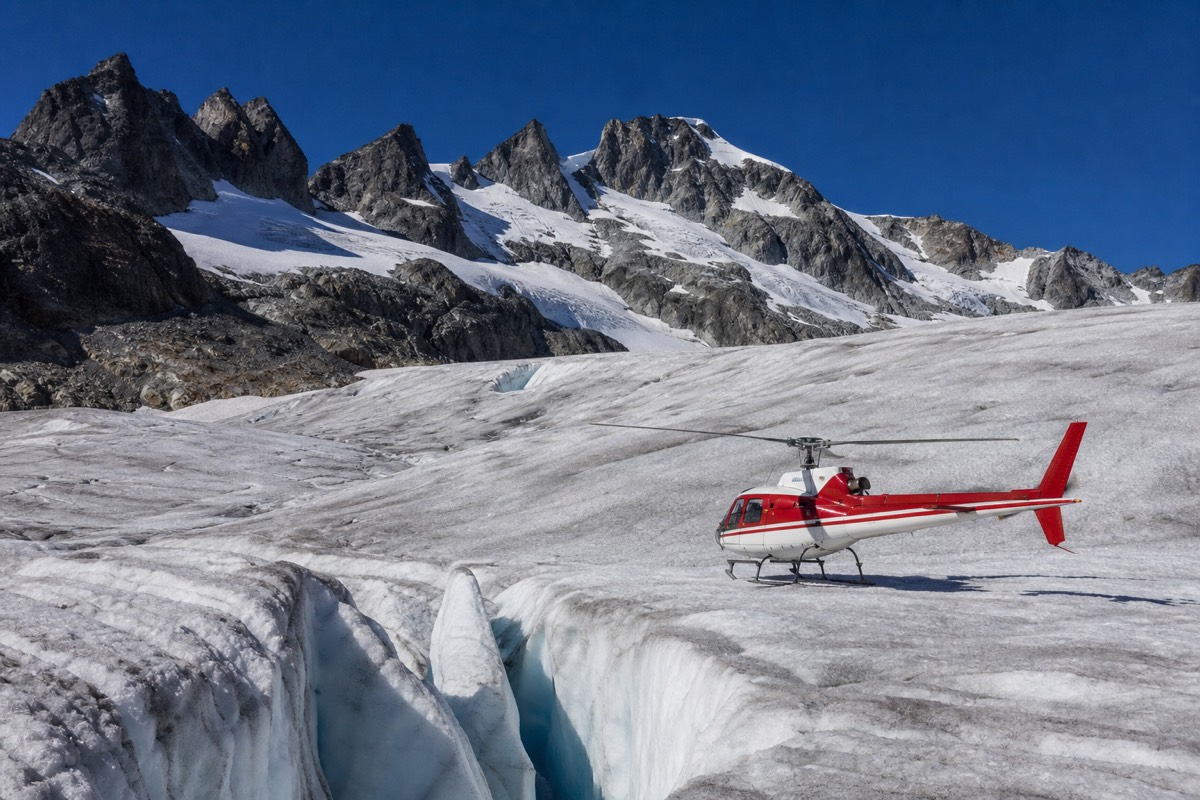
The first time a helicopter lifts off the valley floor and the whole Coast Range tips into view, the scale rearranges your sense of Whistler. From the ground the mountains are a backdrop. From 2,000 metres up they become an endless field of ice and rock, cut by glaciers that have been grinding downhill for twelve thousand years. Flightseeing is the one activity here that trades effort for altitude: no hiking, no fitness bar, just a seat, a headset and a window onto country most visitors never reach.
Two very different flights dominate the Whistler sky. A helicopter can drop you onto a remote glacier and let you stand on the ice, while a floatplane lifts off the water and arcs over Garibaldi Lake and the Black Tusk. This guide compares them honestly on views, time, cost and comfort, and slots in the Peak 2 Peak Gondola as the budget way to get some of the height without leaving the lift system. If you are still shaping the wider trip, our list of the full range of things to do in Whistler puts flightseeing in context.
Budget note: original price examples below are planning allowances, not current quotes. Compare the provider’s actual date, currency, party and included extras before relying on a figure.
Plan This Experience
Discover Whistler’s glaciers from a helicopter, with pilot commentary and a possible mountain landing when conditions allow. The Green Lake seaplane offers a different aerial route.
At a glance: three ways to get above Whistler
What's the difference between a helicopter tour, a glacier landing and a floatplane flight?
A helicopter tour flies you over the peaks and, on a landing trip, sets down on a glacier so you can step onto the ice. A floatplane takes off from water and cruises over the lakes, glaciers and the Black Tusk without landing in the mountains. Helicopters go higher and land, floatplanes fly longer and smoother.
The core distinction is the landing. Only a helicopter can put you on a remote alpine ridge or glacier, and that on-the-ice moment is the thing people remember. Our featured glacier heli trip is built around it: roughly 25 minutes of flying bracketing a stop of about 15 minutes on a snow-swept ridge, an hour of experience end to end. A helicopter is nimble, climbs fast, and can weave close to walls of rock and ice.
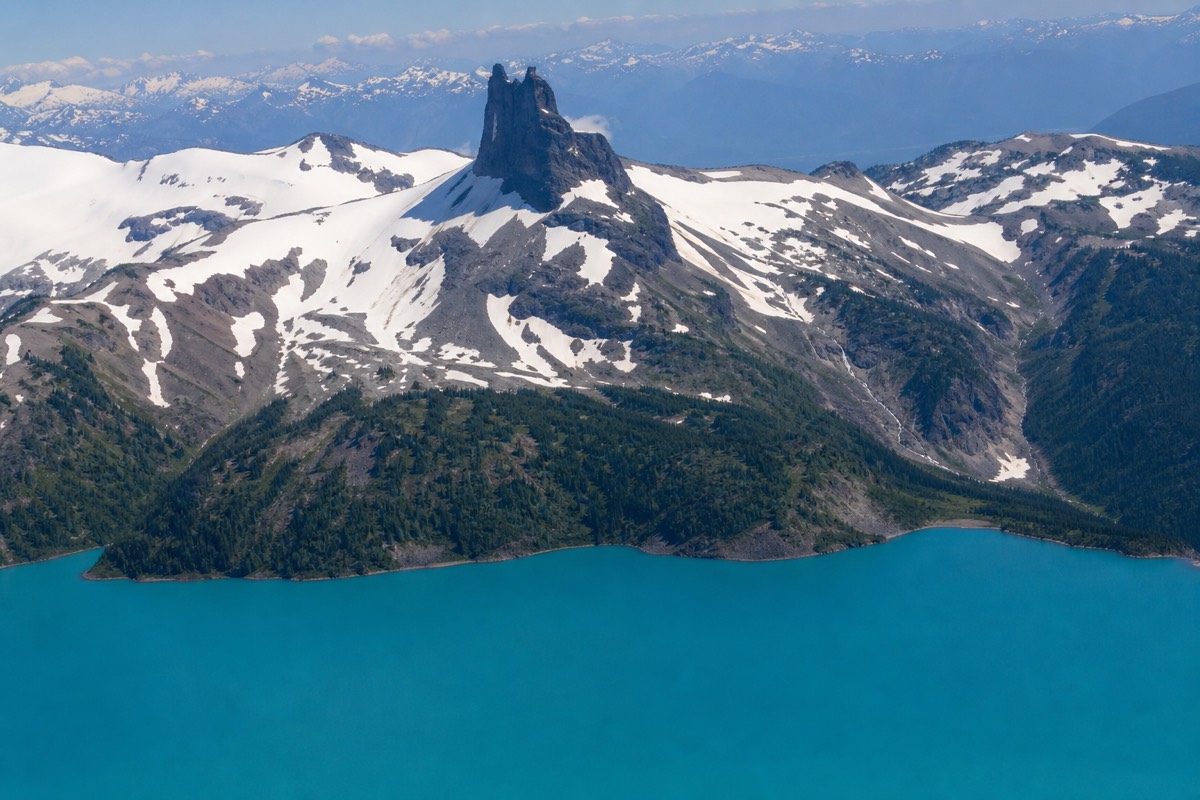
A floatplane is a different pleasure. It lifts off the surface of Green Lake, climbs steadily, and holds a smoother, more level cruise over the backcountry. Our featured seaplane flight spends roughly half an hour in the air over Garibaldi Lake and the Black Tusk. There is no mountain landing, but the ride is gentler on nervous stomachs and the takeoff off the water is a thrill of its own. The gondola sits in a third category entirely, a fixed cable crossing rather than free flight, which we break down in the dedicated guide to the Peak 2 Peak Gondola in detail.
| Feature | Glacier helicopter | Floatplane | Peak 2 Peak Gondola |
|---|---|---|---|
| Takeoff | Vertical, from a helipad | Off the water on Green Lake | Cable crossing from the lodge |
| Lands in the mountains? | Weather-dependent, on a mountain site | No | No, fixed route |
| Ride feel | Nimble, can bank close to walls | Smooth, level cruise | Steady, gentle |
| Time in the air | About 25 minutes plus landing | About 30 minutes | 11-minute crossing |
| Best for | Standing on the ice, big thrill | Long views, smoother ride | Budget height, all ages |
What will you actually see on each route?
Every flight shows you the Whistler and Blackcomb peaks first, then diverges. The floatplane centres on Garibaldi Provincial Park, its turquoise lake and the volcanic Black Tusk. The glacier helicopter heads for the ice fields and a ridge landing. The gondola frames the valley between the two mountains from 436 metres up.
On the seaplane, the highlight reel is Garibaldi. After lifting off Green Lake you climb over the resort, then out toward the park, where the water glows an unreal blue from glacial silt and the Black Tusk stands up like a broken black tooth, the eroded core of an old volcano. It is scenery you cannot reach by road at all and would need a hard multi-day hike to touch on foot. The flight also passes glaciers and alpine moraines that most Whistler visitors never see.
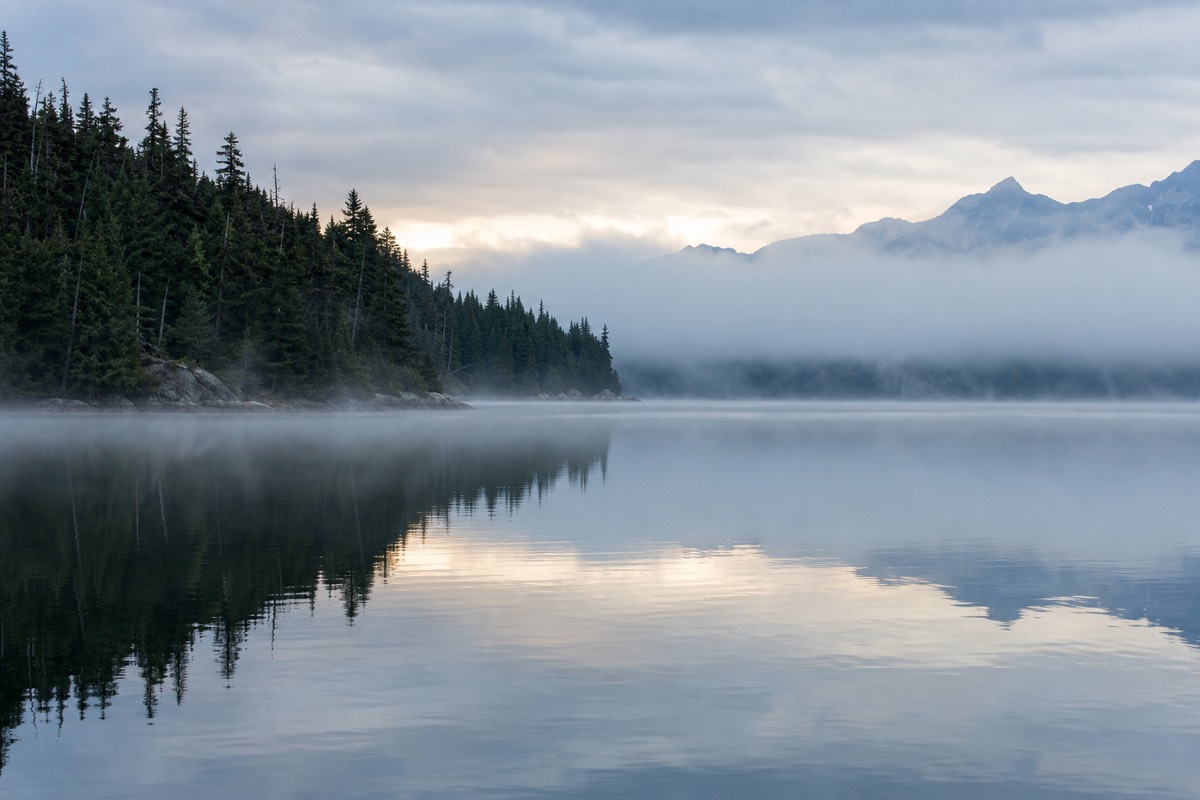
The helicopter trades breadth for intimacy and ice. It climbs into the Coast Mountains proper, threads past cornices and rock walls, and may land on a snow ridge where you step out into total silence at altitude. Standing beside a glacier that predates every town in the province is the sort of thing that recalibrates a trip. Garibaldi Provincial Park is the shared star of both aerial routes, and BC Parks keeps the definitive information on its trails and terrain if you want to walk it later.
| Route | Signature sights | Unique moment |
|---|---|---|
| Floatplane over Garibaldi | Garibaldi Lake, Black Tusk, glaciers, Whistler and Blackcomb peaks | Water takeoff and turquoise-lake flyover |
| Glacier helicopter and landing | Coast Mountain ice fields, cornices, remote ridges | Stepping onto a 12,000-year-old glacier |
| Peak 2 Peak Gondola | Valley crossing, alpine meadows, both mountains | The 11-minute span 436 metres above the valley |
How long do the flights last, and how much is air time versus ground time?
The floatplane is about 30 minutes, all of it airborne. The featured glacier helicopter runs roughly an hour in total: about 25 minutes flying and about 15 minutes standing on the ridge, plus check-in. Short scenic helicopter flights without a landing can be as brief as 20 minutes in the air.
Flightseeing durations sound short and feel long, in a good way. A 30-minute floatplane cruise covers an enormous amount of country because you are moving at aircraft speed, so it rarely feels rushed. The seaplane is pure air time, with no landing to eat into it, which is part of why the ratio of scenery to minutes is so high.
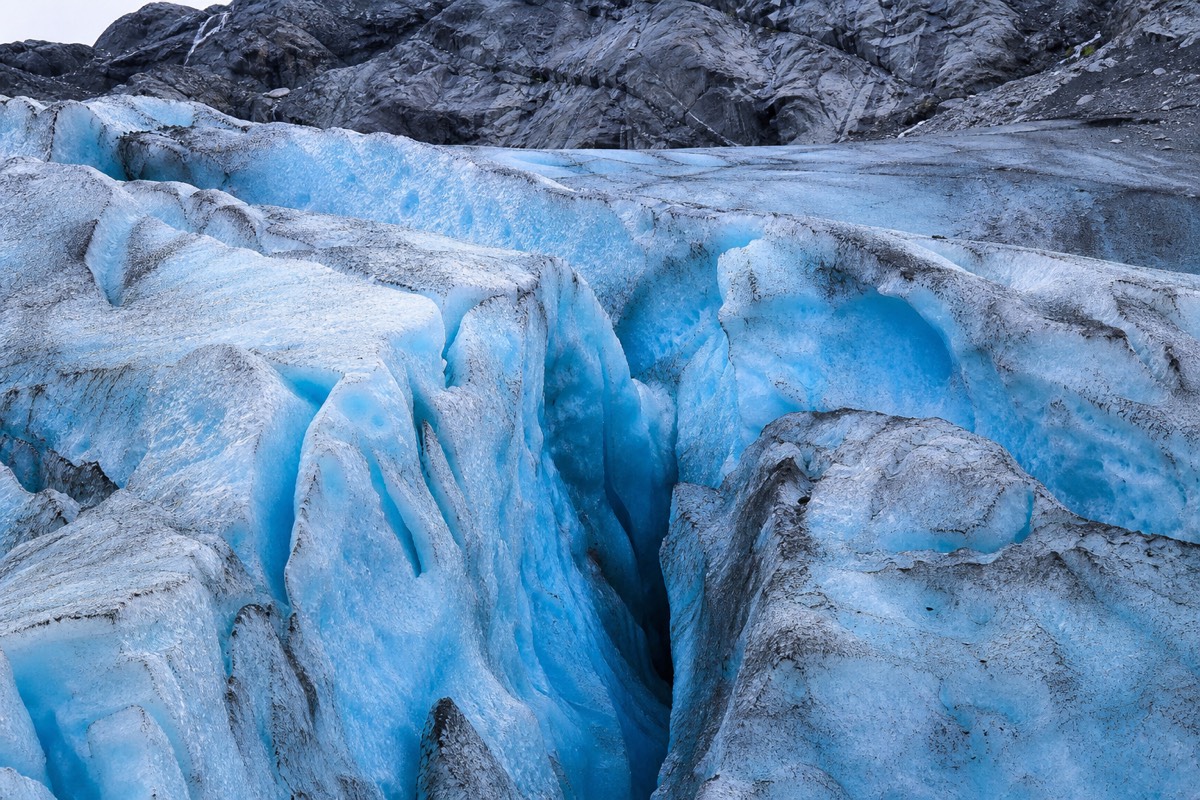
The glacier helicopter splits its hour between flying and the landing. Roughly 25 minutes of flight takes you up and back, and the stop of around 15 minutes on the ridge is where the trip earns its keep, letting you leave the aircraft, breathe the thin air and take photographs with the rotors stopped. Budget extra time on the ground for both: seaplanes want you checked in about 40 minutes before departure, and helicopter operators run a safety and weight briefing before you board. Plan the flight as a half-day slot even when the airborne time is short.
How much do Whistler flightseeing tours cost?
Expect rough tiers: short scenic helicopter flights from around US$150, a floatplane over Garibaldi from around US$210, and a glacier helicopter with a mountain landing from around US$324. The Peak 2 Peak Gondola scenic ride sits far below at around US$100. Always check the live listing for current pricing.
Flightseeing is the premium end of a Whistler day, and the price ladder tracks capability. A gondola crossing is the cheapest way to get real height, and it is a genuinely different experience rather than a lesser one, ideal for families or anyone who would rather not fly. The floatplane is the mid tier, buying you a proper aerial tour and that water takeoff for a moderate step up.
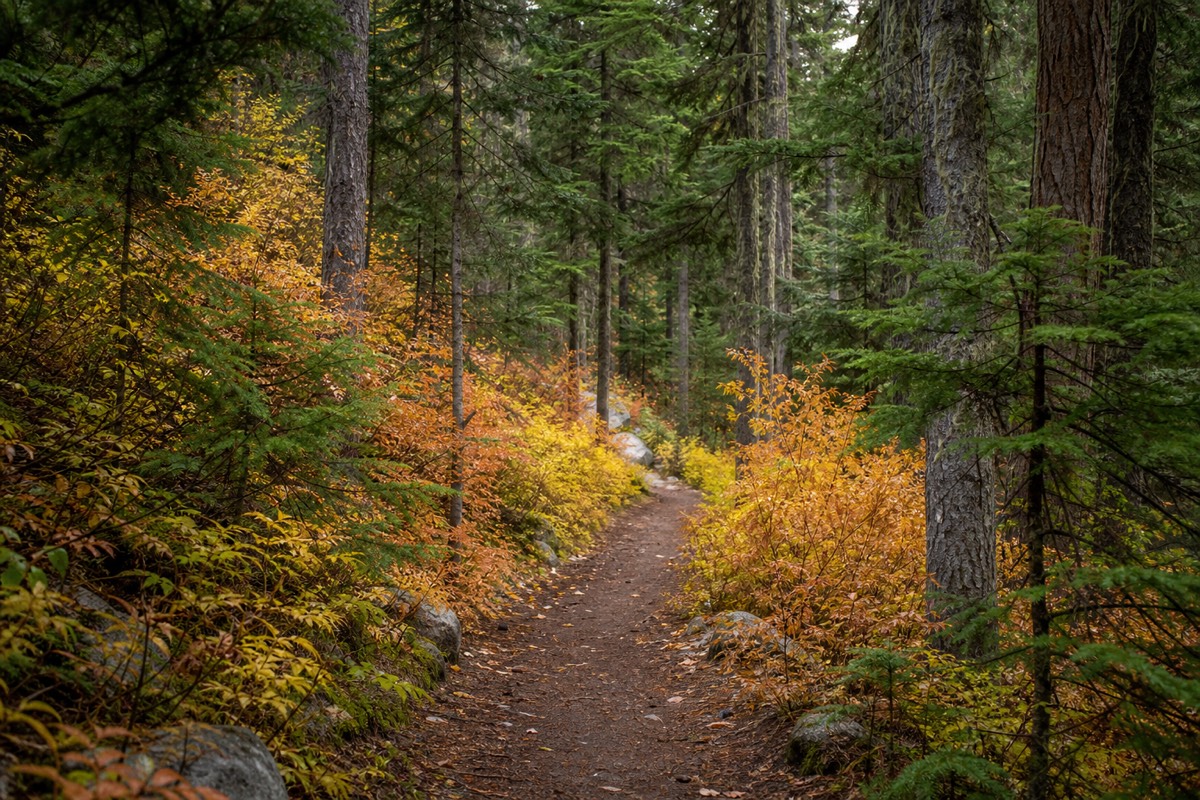
The glacier helicopter with a landing is the top tier, and the extra cost pays for the possibility of a mountain landing when conditions allow. Our featured glacier heli lists from around US$324, the seaplane from around US$210, and the gondola scenic ride, from around US$100. Prices shift with season, group size and fuel, so treat these as planning allowances and confirm on the operator's page before you commit. If you would rather spread the budget across a longer trip, our notes on how many days you need help you decide where a splurge flight fits.
| Option | Planning example, not a quote | Rough duration | Includes a landing? |
|---|---|---|---|
| Peak 2 Peak Gondola scenic ride | US$100 | About 2 hours on the mountain | No |
| Short scenic helicopter flight | Around US$150 | 20 to 30 minutes airborne | No |
| Floatplane over Garibaldi | US$210 | About 30 minutes airborne | No |
| Glacier helicopter with landing | US$324 | About 1 hour total | Weather-dependent mountain landing |
When is the best season to fly?
Helicopters fly year-round, weather permitting, with winter and spring offering the deepest snow for a classic glacier landing and summer giving the longest, clearest light. Floatplanes need open water, so they run roughly late spring through early fall. Clear, calm mornings give the best visibility in any season.
Weather rules flightseeing more than any calendar. Both aircraft need reasonable visibility and manageable wind, and operators cancel or reschedule freely when conditions turn, which is the right call. Book your flight early in your stay so a weather day still leaves room to try again. Mornings tend to be calmer and clearer than afternoons, when mountain thermals build.
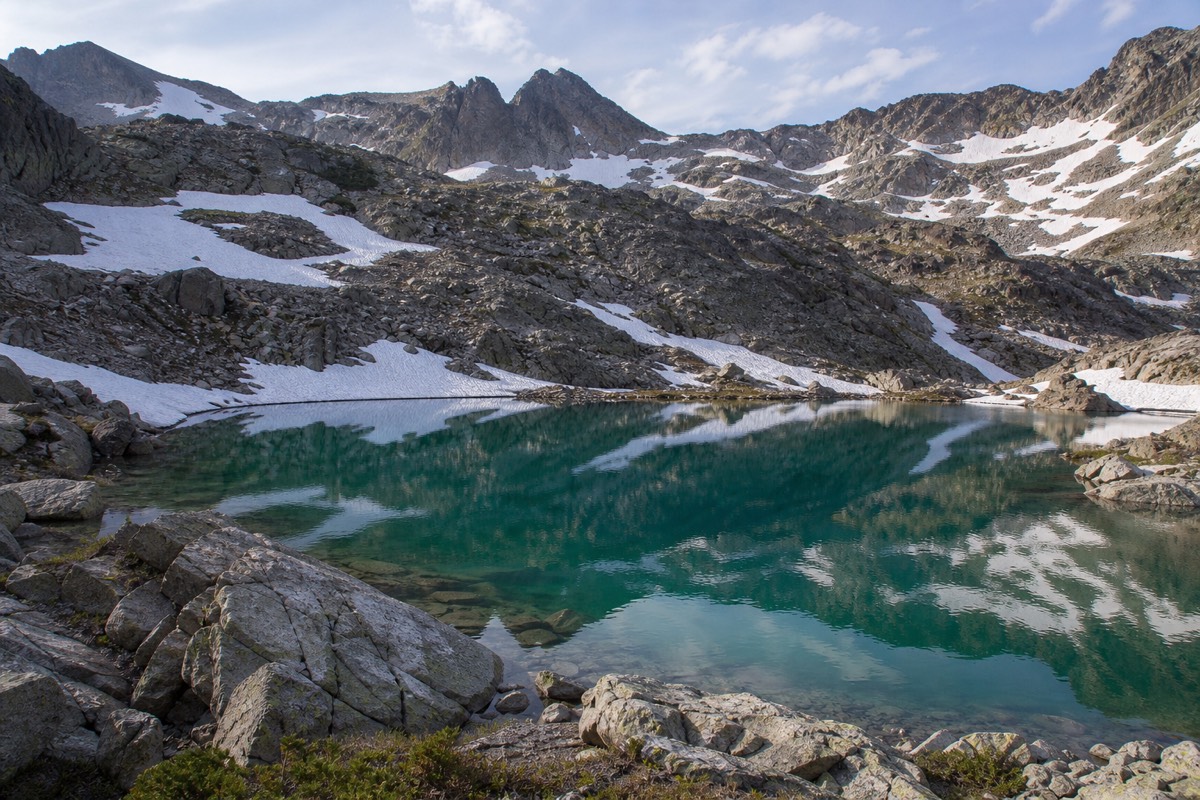
Season shapes the flavour of the trip. Winter and spring pack the ridges with snow, so a helicopter landing feels properly alpine and the ice fields gleam. Summer trades some of that white for the longest daylight, greener valleys and reliably warmer stops. The floatplane is the seasonal one, tied to ice-free water, so it belongs to the warmer half of the year. For the wider seasonal picture, our overview of summer alpine sightseeing and the companion on winter activities off the slopes both help you time a flight.
| Season | Helicopter | Floatplane | What to expect |
|---|---|---|---|
| Winter | Runs, weather permitting | Off-season, lakes freeze | Deep snow, dramatic ice, cold ridge stops |
| Spring | Excellent for snow landings | Starts as water opens | Big snowpack, longer light |
| Summer | Longest, clearest light | Prime season | Warm stops, green valleys, best odds |
| Fall | Good until snow returns | Runs until ice returns | Golden light, thinner crowds |
Who is each flight best for?
The glacier helicopter suits thrill-seekers and bucket-list travelers who want to stand on the ice and do not mind spending more. The floatplane fits those who want big views with a smoother ride and a gentler price. The gondola is the family-friendly, all-ages, budget choice that anyone can do.
Match the flight to the person. If you are chasing a peak-experience moment and the cost is not the obstacle, the helicopter landing is unmatched, and it photographs like nothing else. If you or someone in your group is prone to motion sickness or simply prefers a calmer ride, the floatplane's level cruise is kinder, and the takeoff off the water still delivers a jolt of excitement.
The gondola earns its place for mixed groups, older travelers, young kids and anyone who would rather not board a small aircraft at all. It still gets you 436 metres above the valley on the record-setting span between the two mountains, and it opens onto alpine walks at the top. For families weighing the options, our guide for families travelling with children goes deeper on which aerial experiences work with small children in tow.
| You want | Best choice | Why |
|---|---|---|
| To stand on a glacier | Glacier helicopter | Mountain landing possible, weather-dependent |
| A smoother, longer view | Floatplane | Level cruise, easier on stomachs |
| The lowest cost with real height | Peak 2 Peak Gondola | All ages, no flying, opens onto hikes |
| The biggest thrill | Glacier helicopter | Fast climbs, close banking, ice landing |
How safe is it, and what should you know before you fly?
Whistler's flightseeing operators are commercial aviation businesses with professional pilots, safety briefings and strict weight rules, typically a per-seat limit around 350 pounds. Bring government photo ID, wear sturdy closed-toe boots for a glacier landing, dress warmly, and take a motion-sickness precaution if you are prone to it.
Flightseeing here is run to commercial standards, and the operators are candid about the limits. Weather can ground a flight at short notice, and on a landing trip the pilot may skip the touchdown if wind or visibility on the ridge is poor, even when the flight itself goes ahead. Understand before booking that a bypassed landing due to conditions is usually not refunded, since the flight still happened. That is the honest trade for flying in real mountains.
A few practical points smooth the day. Give an accurate weight at check-in, because balance and fuel calculations depend on it and per-seat limits are firm. Adults generally need valid government photo identification. For a glacier landing, closed-toe boots are mandatory and warm layers are wise, since a snow ridge is far colder than the valley. If you get motion sick, take something beforehand, especially for the more agile helicopter. Keep your camera lens flat to the window to cut reflections, and let the pilot's commentary guide where to look. From the ground, the same wild country is reachable more slowly, and our guide to spotting black bears from the ground covers the valley-floor version of a wilderness day.
Is the Peak 2 Peak Gondola a cheaper way to get the views?
Yes, up to a point. For around US$100 the gondola lifts you 436 metres above the valley on a record-setting 4.4-kilometre span between Whistler and Blackcomb, with alpine walks at the top. It cannot land you on a glacier or show you Garibaldi from above, but it delivers real height and scale for a fraction of a flight's cost.
The gondola is the sensible baseline for anyone who wants mountain grandeur without the flightseeing budget. The crossing itself holds records for the longest unsupported span and ranks among the highest lifts of its kind, so the 11-minute glide between the two peaks is an event, not a shuttle. At the top you can walk alpine trails, and in summer reach the Cloudraker Skybridge and Raven's Eye viewing platform on Whistler Mountain.
Timing matters if the gondola is your plan. For the 2026 summer season, the Peak 2 Peak runs weekends and Victoria Day only from May 16, then daily from June 13, with the Blackcomb Gondola and Peak 2 Peak closing on September 7 and Whistler Village Gondola sightseeing continuing to September 20. The Peak Express chair, which reaches the skybridge is slated to open June 13. Confirm current dates and alpine ticket pricing with Whistler Blackcomb before you go, since these shift year to year. What the gondola will not give you is the flight itself, so if standing on ice or seeing Garibaldi from the air is the goal, the aircraft is the only way there.
For the guided experiences behind every itinerary here, start with Whistler BC Tours.