Best Time to Visit Whistler: Month-by-Month (2026)
Whistler runs two completely different resorts a year. Here is which month wins for snow, alpine hiking, small crowds and low prices.
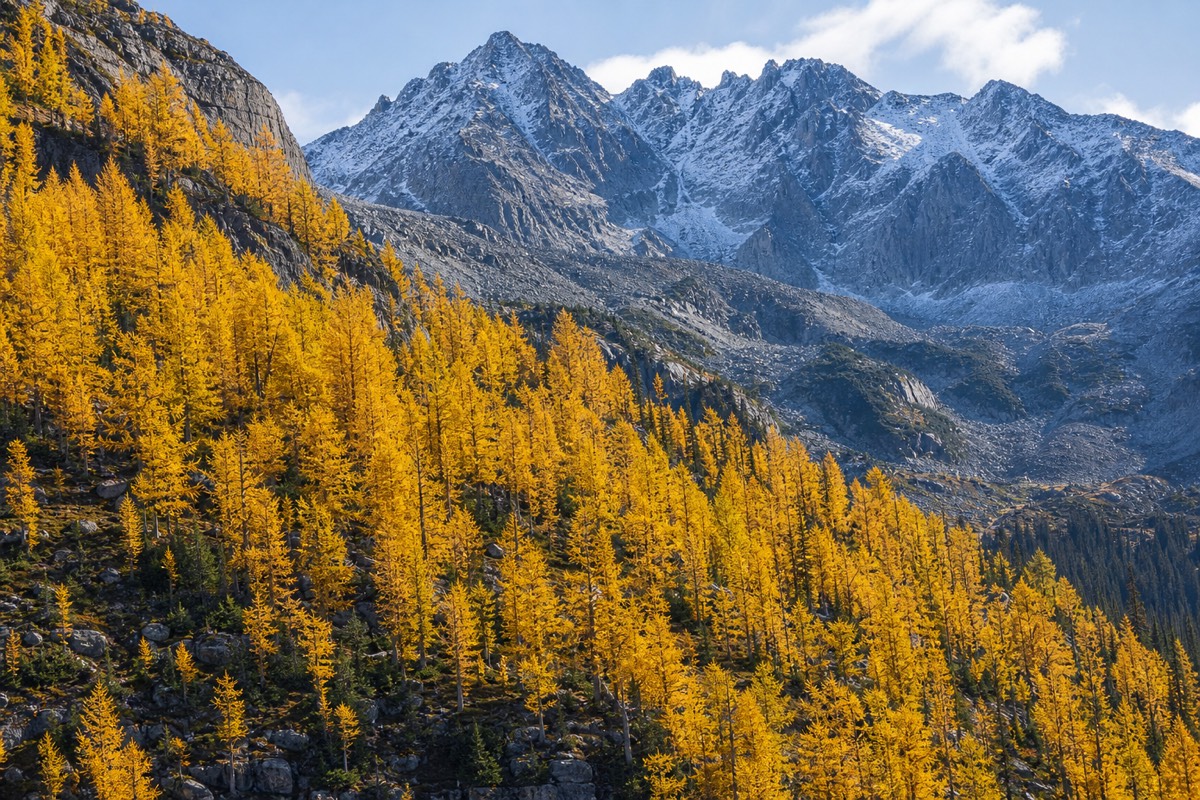
Snow piles onto Whistler for close to six months, then the same slopes turn to wildflower meadow by July. That swing is the whole reason the best-time question refuses to have one answer: the mountain effectively hosts two separate holidays, and the right month depends entirely on what you came to do.
What follows is a month-by-month scorecard, built from typical valley weather, real crowd patterns, price swings and the confirmed 2026 events calendar. Skiers, hikers, families and bargain-hunters each get a different winner. The team behind Whistler BC Tours books every experience mentioned here through the operators' own live listings, so the prices and dates track the real calendar rather than a glossy brochure.
Budget note: original price examples below are planning allowances, not current quotes. Compare the provider’s actual date, currency, party and included extras before relying on a figure.
Plan This Experience
For a warm-season visit, the guided eBike circuit links lakes and forest. Winter visitors can compare the Medicine Trail snowshoe walk below.
At a glance: when Whistler shines, month by month
Prime months in green, solid months in amber, best-value quiet months in slate. Ratings reflect all-round appeal, not any single activity.
What is the best month to go to Whistler?
There is no single best month, but two clear peaks. For snow, February and March deliver the most reliable powder with longer, brighter days. For alpine hiking and warm lakes, July and August are unbeatable. If you want low prices and thin crowds, aim for late April to May, or October.
Think of the calendar as four moods. Deep winter (December to March) is powder, festive nights and the highest prices. Spring (April to May) is soft afternoon snow up top and a quiet, cheap valley below. Summer (June to September) is the alpine at full tilt. Fall (late September to October) is colour, calm and value. Your ideal month is wherever your priority sits on that arc.
Deciding between a quick hit and a proper trip matters as much as the month, so it helps to read this alongside how many days you need in Whistler. And if you are still weighing the Canadian Rockies against the Coast Mountains, our take on how Whistler compares with Banff lays out the seasonal trade-offs side by side.
Whistler month by month, at a glance
The scorecard below rates every month on weather, crowds and price, and lists what is actually happening. Green months are prime, quiet months are the value plays. Use it to match your dates to your priority: fresh snow, warm alpine, small crowds or a lighter bill.
No month is a write-off. Even the shoulder weeks, when the lifts are between seasons, hand you an empty village and cut-price rooms. Here is the full year in one view, with typical valley conditions rather than record extremes.
| Month | Valley weather | Crowds | Price | What is on |
|---|---|---|---|---|
| January | Cold, deep snow | High | High | Prime powder, short days, festive hangover early on |
| February | Cold, reliable snow | High | High | Peak powder, bluebird days appear, Family Day crowds |
| March | Milder, longer days | High | High | Spring skiing begins, spring-break families |
| April | Warming, slushy snow | Moderate | Falling | Season winds down, World Ski & Snowboard Festival |
| May | Green valley, snowy peaks | Low | Low | Quiet shoulder, biking starts, upper-mountain skiing lingers |
| June | Alpine opening, cool lakes | Moderate | Moderate | Bike park building, first alpine trails open |
| July | Warm, dry, long days | Very high | High | Peak summer, Crankworx starts late month, hiking prime |
| August | Warm, dry | Very high | High | Crankworx into early August, warm lake swims, festivals |
| September | Cooling, crisp | Moderate | Moderate | Fall colour begins, larches turn late month, quieter trails |
| October | Cool, colourful, wetter | Low | Low | Peak fall colour on the valley trails, deep quiet |
| November | Grey, first real snows | Low then rising | Low then rising | Cornucopia early month, ski season opens Nov 20 |
| December | Snowy, festive, coldest | Very high | Very high | Ski season, Whistler Film Festival, holiday peak |
When is ski season in Whistler, and when is it best?
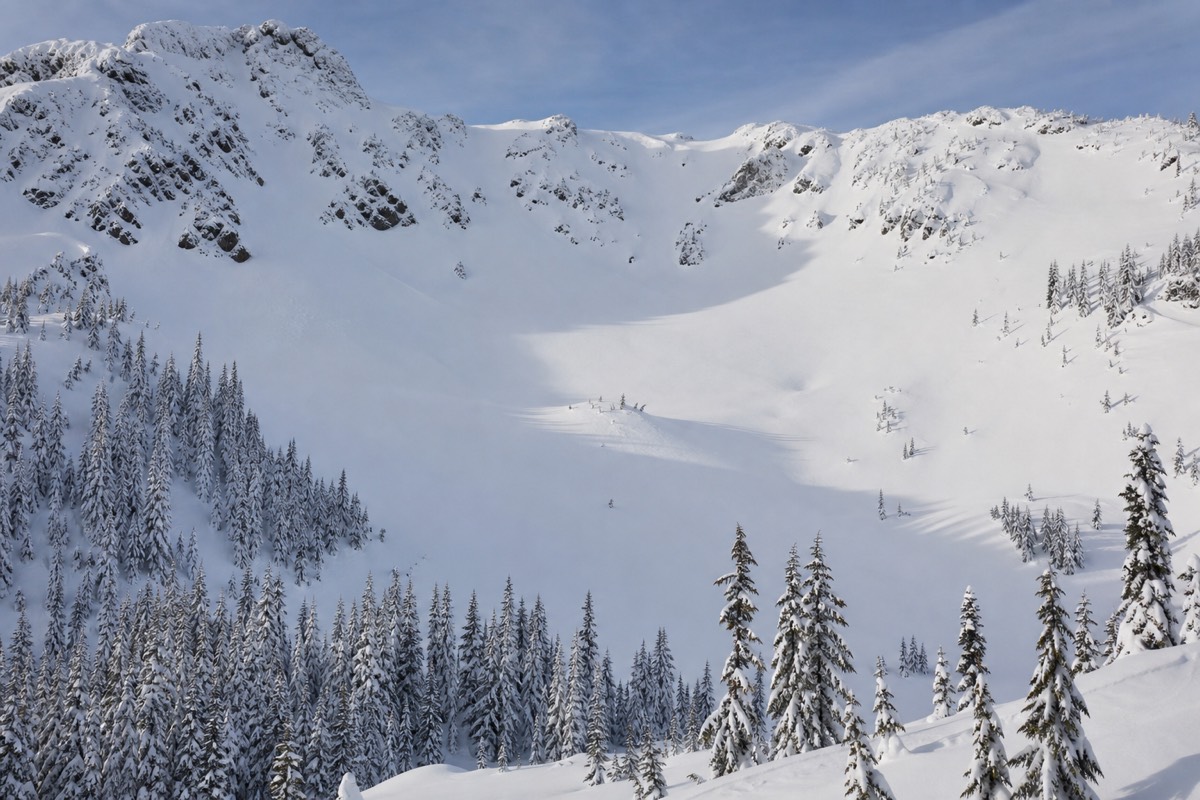
Whistler Blackcomb targets a November 20, 2026 opening and usually runs into late May the following spring. Snow is most reliable from January through March, but February and March are the sweet spot: the same deep base as midwinter, with noticeably longer, brighter days and a run at bluebird weather.
This is one of the largest ski resorts in North America, with more than 8,000 acres of terrain across two mountains, and a coastal setting that averages close to 11.9 metres of snow a year at mid-mountain. That maritime snowpack is deep and forgiving, though it can arrive wet at valley level and dry higher up. December delivers the most snowfall of any month, along with the biggest crowds and the steepest holiday pricing, so powder-hunters who can dodge the holidays are better served waiting a few weeks.
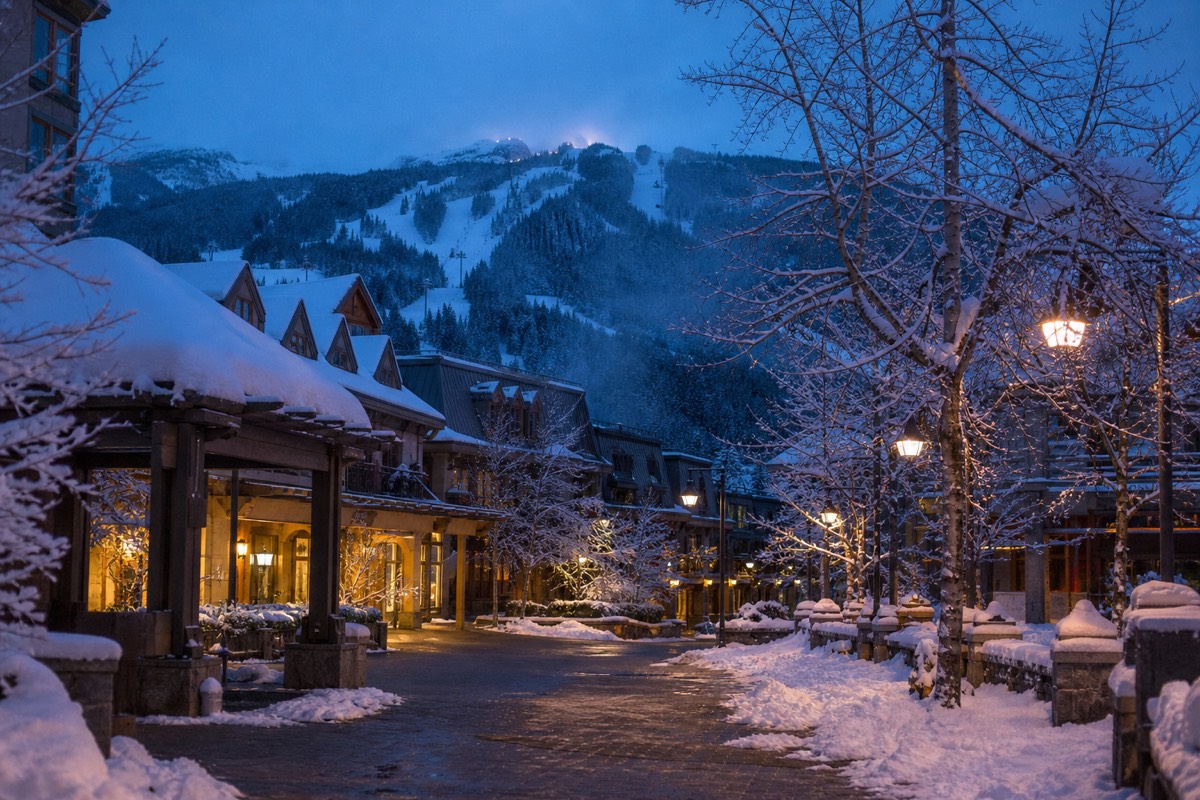
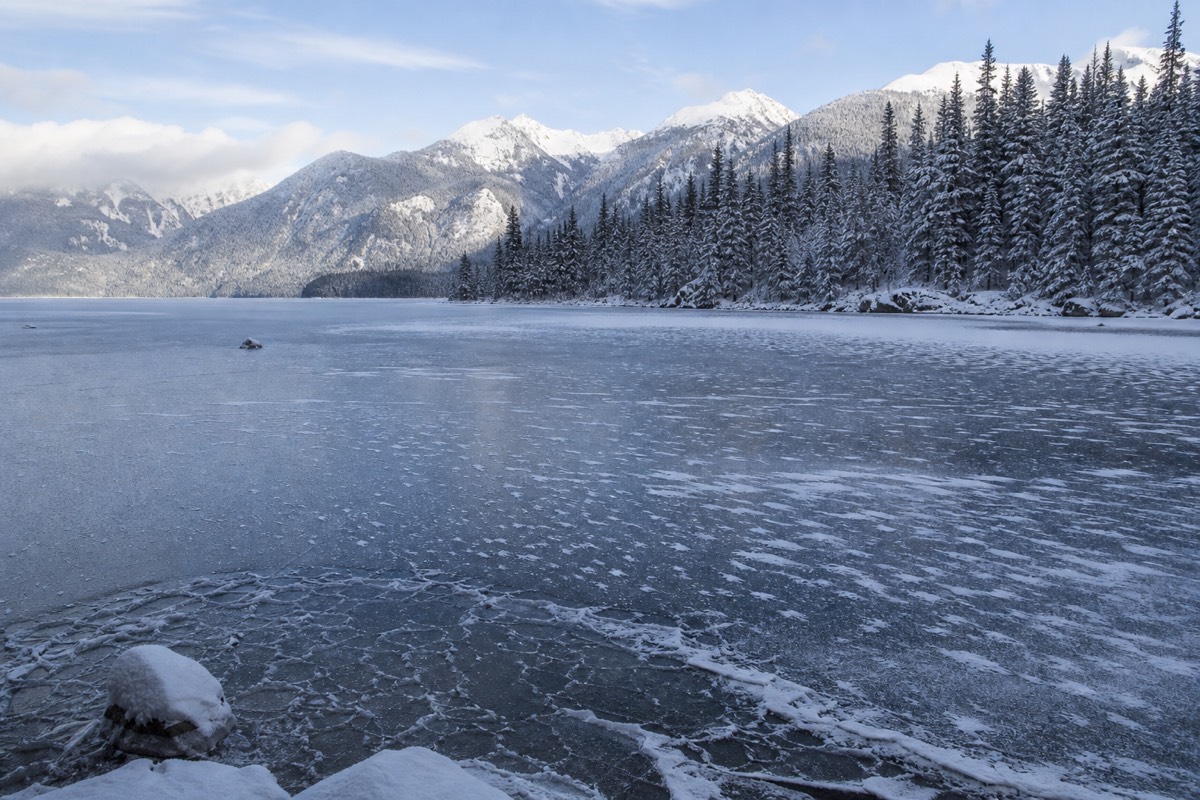
January is genuinely cold and the days are short. By March the light returns, afternoon snow softens into forgiving spring corn, and the mood on the patios lifts. If skiing is only part of the plan, the winter valley has plenty beyond the lifts, from frozen-lake outings to snowy forest trails covered in our roundup of winter beyond the ski runs. A guided snowmobiling or ice fishing half-day is one of the easiest ways to feel the backcountry without a lift ticket.
For live conditions and road status on the way up, Whistler Blackcomb and DriveBC are the two pages worth bookmarking before any winter drive.
Is spring in Whistler worth it?
Spring is Whistler's quiet bargain. April still has skiing up high, softer snow and thinning crowds, and the World Ski & Snowboard Festival lands April 6 to 12, 2026 for its 30th year. May empties out entirely: green valley, snowy summits, cheap rooms, and the first mountain-bike trails coming to life.
April is the classic spring-ski month. Mornings are firm, afternoons turn to slush, and the valley is warm enough to swap the ski jacket for a t-shirt on a patio by mid-afternoon. The festival brings live music, big-mountain contests and a party energy that the deep-winter weeks lack. Prices ease as the powder crowd goes home.
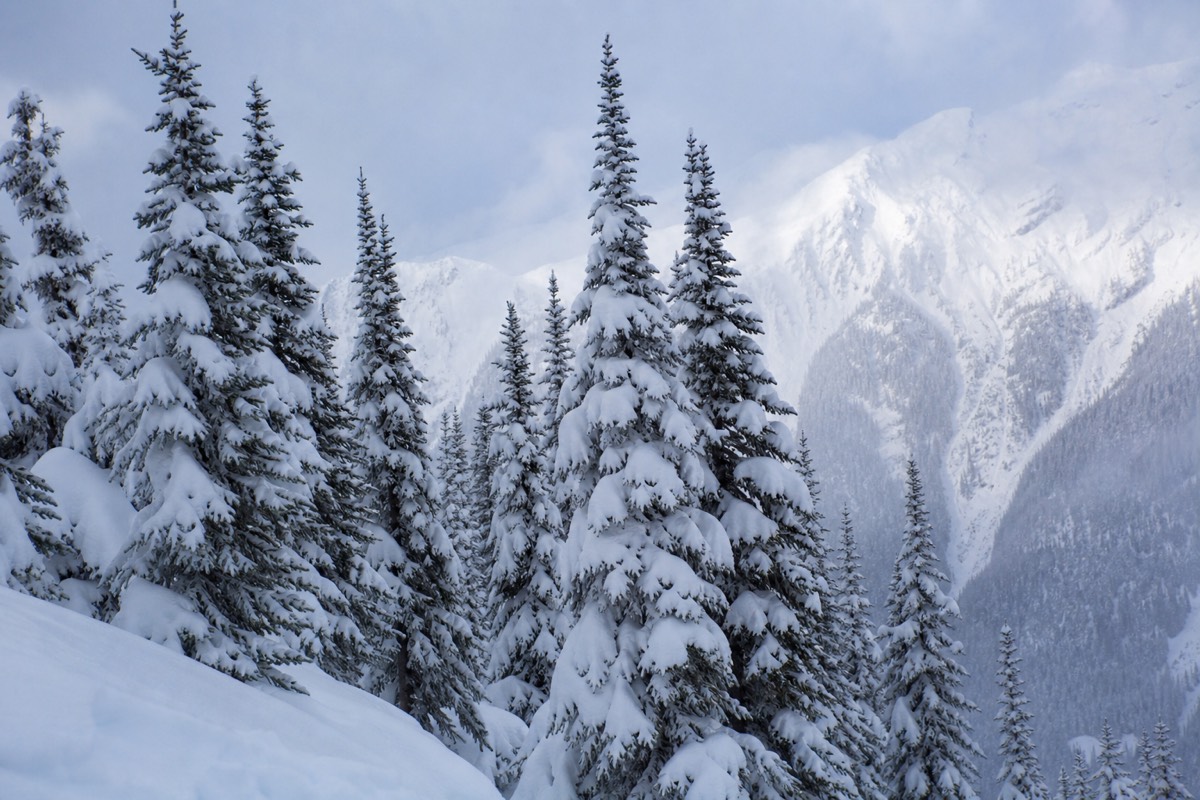
May is the true in-between month, and that is its charm. Upper-mountain skiing can still be running while the valley floor greens up, waterfalls roar with snowmelt, and lift-served summer activities start to switch on. You will not get everything at once, but you will pay a fraction of the peak rate and rarely wait for anything.
What is summer like in Whistler?
Summer is the alpine at full volume. From late June through early September the valley sees typical highs around 23 C, the hiking trails and lakes open up, the world-class bike park runs daily, and the Peak 2 Peak Gondola carries sightseers between two mountaintops. July and August are the warmest, busiest and priciest weeks of the whole year.
Once the snow clears the high country, Whistler becomes a completely different resort. Alpine meadows bloom, glacier-fed lakes warm just enough to swim, and more than 50 kilometres of high trails open above the treeline. The Peak 2 Peak Gondola scenic ride is the signature summer outing: up one mountain, across the record-setting span, and down the other, with the option to walk the ridge trails at the top. Our full Peak 2 Peak Gondola guide covers tickets, timing and the summit walks.
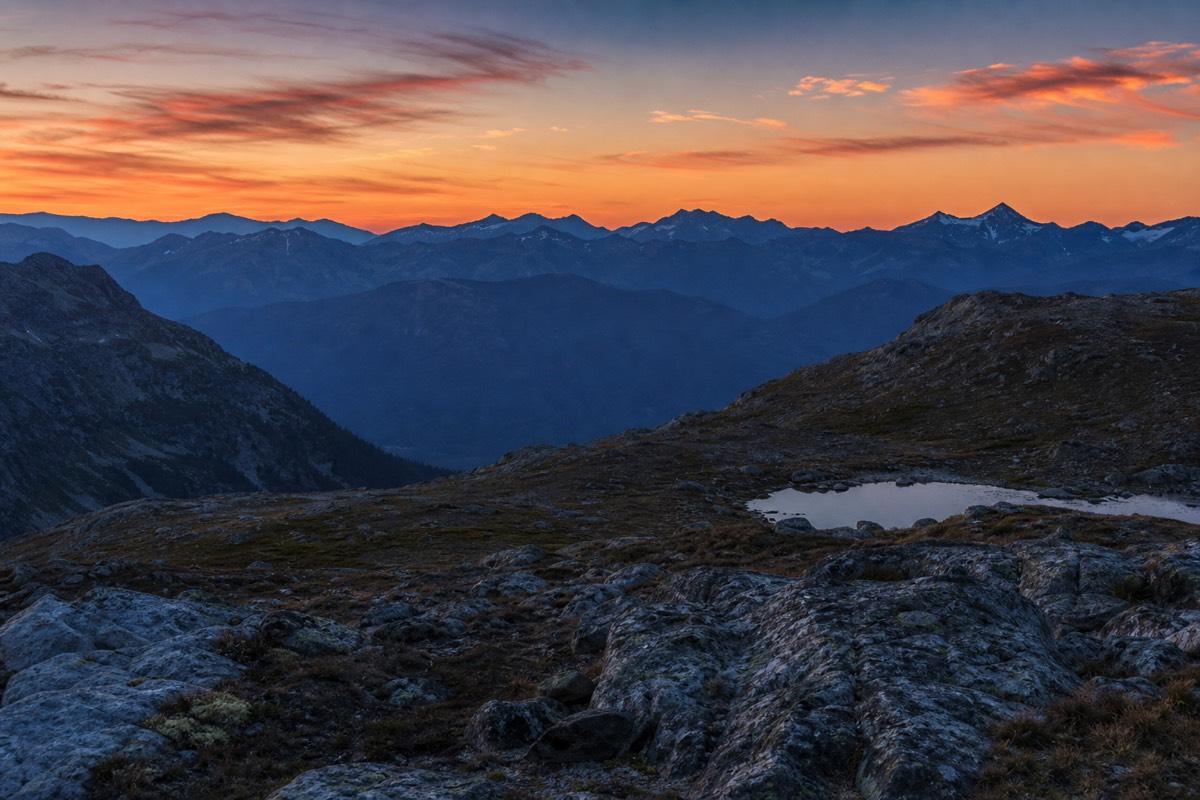
Crankworx, the mountain-bike festival that effectively defines Whistler's summer runs July 24 to August 2, 2026 and packs the village. It is thrilling to be around and worth planning for either way, whether you want to be in the middle of it or a week clear of it. A gentler way to cover ground is a guided electric-bike tour, that rolls the valley trails and old-growth forest without the climb. For the widest sweep of warm-weather options, our guide to summer in Whistler runs through the lot.
Is fall the most underrated time to visit?
Fall is the quiet local favourite. From mid-September through October the valley trails turn gold and red, the summits get their first dusting, crowds and prices fall, and the light goes soft. Accessible subalpine larches on Mount Sproatt and the Rainbow-Hanging Lake trail turn golden from roughly late September into early October.
The tourist crush thaws the moment the kids are back in school. September stays mild, with crisp mornings and dry afternoons ideal for the alpine, while October brings the deepest colour to the Valley Trail as the forest shifts from green to gold. Whistler's larch is more modest than the famous golden marches of the Canadian Rockies, but the backcountry trails do reward the walk in late September, and the reds and oranges of the huckleberry ground cover carpet whole slopes.
One planning note: the alpine sightseeing season typically wraps in early-to-mid September, with the Peak 2 Peak Gondola pausing for the fall changeover, so check the live schedule if the high-mountain ride is the reason for your trip. Down in the valley, a fall eBike loop or an easy forest walk more than fills the gap, and the golden-hour light this time of year is the best of the whole calendar.
When is Whistler cheapest, and when is it most expensive?
The cheapest weeks are the two shoulders: late April into May, and October into mid-November before the lifts spin. The priciest are the Christmas-New Year holidays, the February and March ski peak, and the July-August summer high. Midweek dates beat weekends in every season.
Whistler's pricing follows demand more than weather. A room over the winter holidays can cost several times the same room in May, and summer weekends in July run well above a quiet Tuesday in October. If your dates are flexible, the value math is simple: aim for the gaps between the marquee seasons and travel midweek.
| Period | Crowds | Price | Value verdict |
|---|---|---|---|
| Late Dec holidays | Peak | Highest | Book far ahead or avoid; you pay for the festive buzz |
| Feb to Mar ski peak | High | High | Worth it for reliable powder and long days |
| Late Apr to May | Low | Low | Best value overall, mixed activities, quiet village |
| Jul to Aug summer | Peak | High | Worth it for the alpine, but book early and expect crowds |
| Sep to Oct fall | Low to moderate | Moderate to low | Excellent value, colour and calm, cooling weather |
| Nov pre-season | Lowest | Lowest | Cheapest, but between seasons; manage expectations |
What is the best month for each activity?
Match the month to the activity and every trip improves. Skiing peaks December to March; alpine hiking and biking run July to September; fall colour lands late September to October; and the guided adventure tours, from snowmobiling to ziplining, each have their own window. The table below pins down every one.
Some experiences run year-round and simply change character with the season. A helicopter flight over the glaciers is stunning on any clear day, winter or summer. Ziplining is a green-forest rush in July and a snow-hushed one in January. But most activities have a genuine best window, and lining your dates up with it is the single biggest upgrade you can make.
| Activity | Best window | Note |
|---|---|---|
| Skiing and snowboarding | Dec to Mar | Feb-Mar for long days; Apr for spring corn |
| Alpine hiking | Jul to Sep | Trails clear of snow, meadows in bloom |
| Peak 2 Peak sightseeing | Jun to early Sep, plus winter | Alpine season pauses for fall changeover |
| Mountain biking and bike park | Jun to Sep | Crankworx late July into early August |
| Snowmobiling | Dec to Apr | Backcountry snow-dependent |
| Ice fishing | Jan to Mar | Needs solid lake ice |
| Fall colour and larch walks | Late Sep to Oct | Sproatt and Rainbow trails for larch |
| Ziplining | Year-round | Green-forest or snow-hushed, both work |
| Valley eBike tours | May to Oct | Best colour and light in fall |
| Bear viewing | May to Jun, and summer | Spring valley meadows, then the ski runs |
What will the weather actually be?
Whistler has cool, wet winters and dry, warm summers. Valley highs climb from around freezing in midwinter to the low 20s C in July and August, then slide back through a crisp fall. The alpine sits several degrees colder than the village, so pack a layer even on a warm July day.
The figures below are typical valley averages, not guarantees, so always check a live forecast close to your dates. The key takeaway is the gap between valley and summit: it can be shirt-sleeve weather at the gondola base and near-freezing with wind at the top, which catches out plenty of summer sightseers.
| Month | Typical high | Typical low | Feel |
|---|---|---|---|
| January | -1 C (30 F) | -6 C (21 F) | Cold, snowy, short days |
| February | 2 C (36 F) | -5 C (23 F) | Cold, bright spells |
| March | 6 C (43 F) | -3 C (27 F) | Milder, longer light |
| April | 11 C (52 F) | 0 C (32 F) | Warming, slushy up high |
| May | 16 C (61 F) | 4 C (39 F) | Green valley, snowy peaks |
| June | 19 C (66 F) | 8 C (46 F) | Warm days, cool nights |
| July | 23 C (73 F) | 10 C (50 F) | Warm, dry, peak summer |
| August | 23 C (73 F) | 10 C (50 F) | Warm, dry, lake weather |
| September | 18 C (64 F) | 6 C (43 F) | Crisp, clear, colour begins |
| October | 10 C (50 F) | 2 C (36 F) | Cool, wetter, peak colour |
| November | 3 C (37 F) | -2 C (28 F) | Grey, first snows |
| December | -1 C (30 F) | -6 C (21 F) | Coldest, snowiest, festive |
What is on in Whistler in 2026?
Four dates anchor the 2026 calendar: the World Ski & Snowboard Festival (April 6 to 12), Crankworx mountain biking (July 24 to August 2), the Cornucopia food and drink festival (November 5 to 15) and the Whistler Film Festival (December 2 to 6). Ski season opens November 20.
Events shape both the atmosphere and the price. A festival week means a livelier village and fuller hotels, which is a draw for some travellers and a reason to shift dates for others. Whichever camp you are in, it pays to know when they land. Tourism Whistler keeps the fullest official calendar if you want to check smaller happenings around your dates.
| Event | 2026 dates | What it is |
|---|---|---|
| Ski season opening day | November 20 | Target opening for Whistler Blackcomb, weather permitting |
| World Ski & Snowboard Festival | April 6 to 12 | Spring-skiing, music and big-mountain contests, 30th year |
| Crankworx Whistler | July 24 to August 2 | The world's biggest mountain-bike festival series |
| Cornucopia | November 5 to 15 | Food, wine and craft-drink celebration across the village |
| Whistler Film Festival | December 2 to 6 | Independent film and industry summit, 26th edition |
What should you pack for each season?
Layer for the mountain, not the village. Winter means proper insulation, waterproofs and traction; summer means sun protection plus a warm layer for the alpine; and the shoulder seasons mean packing for two seasons in one day. Sturdy closed-toe footwear earns its place year-round.
The single most common packing mistake is dressing for the valley and forgetting the summit is colder, windier and often wetter. The alpine runs several degrees below the village, and mountain weather turns fast. A light warm layer and a shell fit in any daypack and save more than one summer outing.
| Season | Bring | Do not forget |
|---|---|---|
| Winter (Dec to Mar) | Insulated jacket, waterproofs, gloves, hat, warm boots | Traction for icy paths, goggles or sunglasses |
| Spring (Apr to May) | Layers, light waterproof, sunglasses, sunscreen | Warm layer for the lifts, shoes that handle slush |
| Summer (Jun to Sep) | Sun protection, day pack, water, hiking shoes | A warm layer and shell for the alpine |
| Fall (Sep to Oct) | Warm layers, waterproof, comfortable walking shoes | A camera for the colour, rain cover |
Whatever season you land in, the fastest way to feel the place is to get off the valley floor once. Ride up, look out, then come back down to the patios. For the shortlist of the outings that pull that off best, see the full rundown of things to do in Whistler, and if you are still setting the trip length, start with a single perfect day in Whistler as a template.