Whistler Winter Adventures: Snowmobiling, Ice Fishing & More
You do not need to ski to fill a Whistler winter. Snowmobiles, a heated ice-fishing tent, sled dogs and snowshoe trails all run while the lifts are turning, and most of them suit complete beginners.
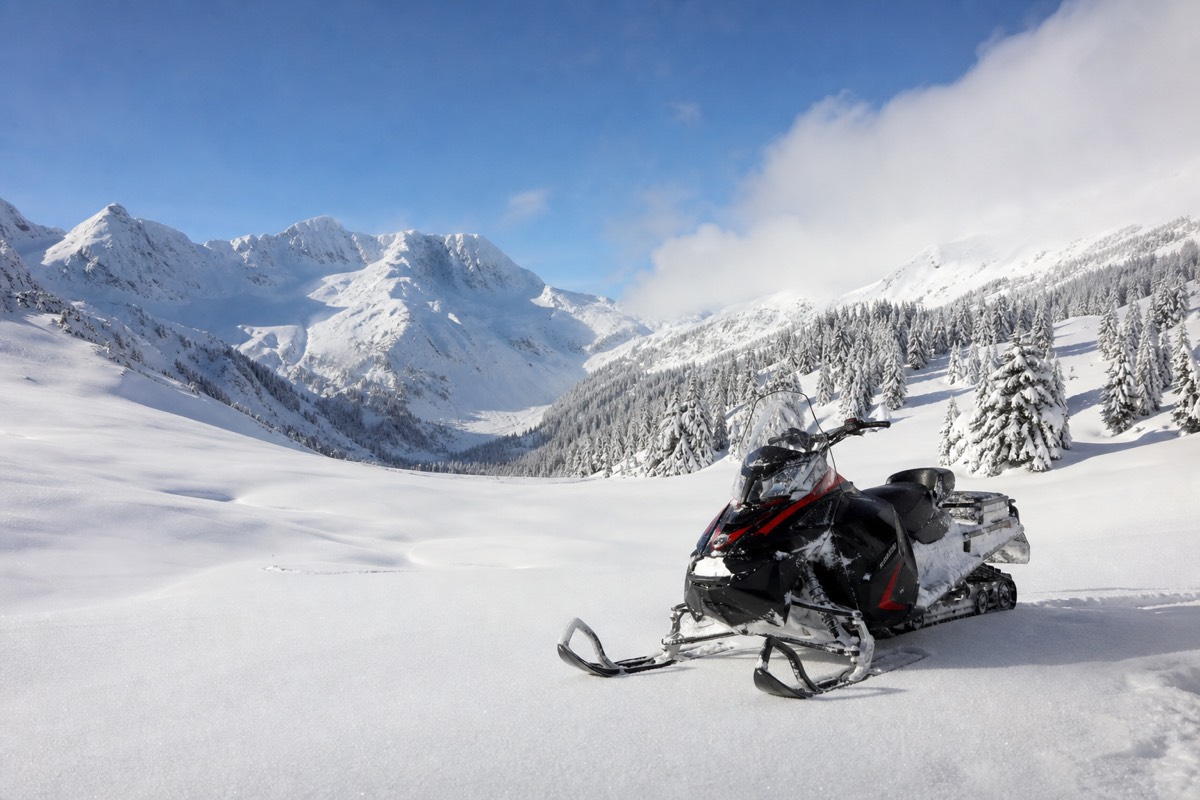
Not everyone who lands in Whistler in February owns a lift ticket. Plenty of visitors come for the snow without the slopes, and the valley is set up for exactly that. While skiers ride the chairs overhead, snowmobiles are climbing the Callaghan, sled dogs are pulling through old-growth forest, and a heated tent is sitting on a frozen lake with a line dropped through the ice. The non-ski winter menu here is deep, and a lot of it is beginner-friendly.
This guide runs through the main cold-weather adventures that do not involve skis or a snowboard, from the high-adrenaline (backcountry snowmobiling) to the slow and cozy (a horse-drawn sleigh ride). We compare them on difficulty, time, cost and season so you can build a day that fits your group, whether that is teenagers craving speed or grandparents who just want to be out in the white. For the broader cold-season picture, our overview of the wider winter guide pairs naturally with everything here.
Budget note: original price examples below are planning allowances, not current quotes. Compare the provider’s actual date, currency, party and included extras before relying on a figure.
Plan This Experience
Explore an old-growth Callaghan forest on the guided Medicine Trail, with snowshoes and a village shuttle included. Compare snowmobiling and ice fishing for a different winter pace.
At a glance: the non-ski winter calendar
What winter activities can you do in Whistler without skiing?
The core non-ski options are snowmobiling, ice fishing, dog sledding, snowshoeing, horse-drawn sleigh rides and the tube park, plus scenic gondola sightseeing. They range from full-throttle backcountry rides to gentle family outings, and most need no experience at all. Snowmobiling and ice fishing are the standout guided adventures.
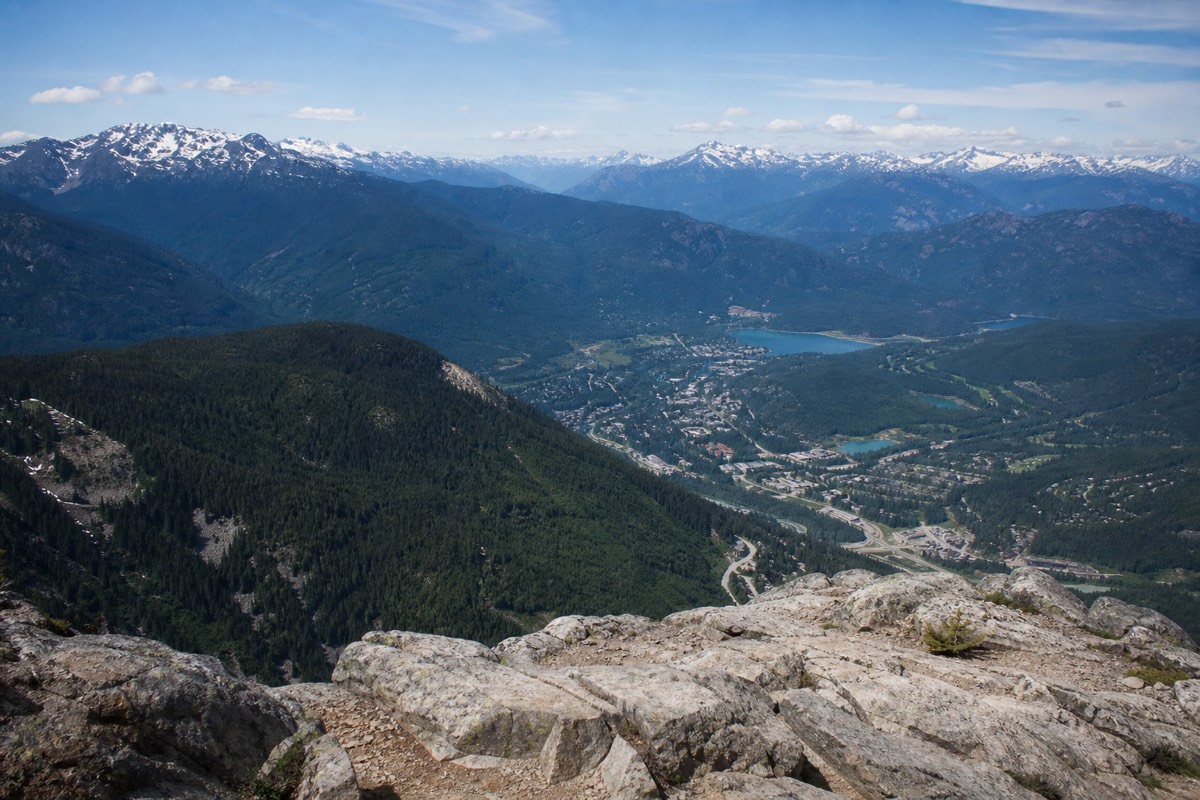
Whistler's winter is not a one-sport town, whatever the ski marketing implies. The Callaghan Valley just south of the resort is the engine room for motorized and dog-powered trips, with vast terrain of forested trails and frozen lakes. Closer in, the mountains and the Valley Trail carry snowshoers, and Blackcomb hosts the tube park and sleigh rides. The result is a spread of activities that covers every energy level and age.
The two headline guided adventures are snowmobiling and ice fishing, and both are in our featured lineup. The backcountry snowmobile run is an intermediate option, while the ice-fishing trip is the sleeper hit for people who want calm over speed. Everything else, from dog sledding to snowshoeing, fills in around those anchors. If your trip also touches the warmer months, the contrast with our summer things to do shows just how differently the valley plays in each season.
| Activity | Difficulty | Typical duration | From (planning) |
|---|---|---|---|
| Backcountry snowmobiling | Intermediate | About 3 hours | US$249 |
| Ice fishing | Easy | About 3 hours | US$164 |
| Dog sledding | Easy | About 3 hours with shuttle | Around CA$300, check current |
| Snowshoeing | Easy to moderate | 2 to 3 hours | Low, or free self-guided |
| Sleigh ride | Easy | About 1 to 1.5 hours | Family-priced, check current |
| Tube park | Easy | Session based | Low, per session |
What is snowmobiling in the Whistler backcountry like?
Guided snowmobile tours run into the Callaghan Valley, carving forested singletrack and racing across frozen lakes, with the featured run lasting about three hours. It suits intermediate riders, operates roughly December through April, and includes machine, helmet and training. Expect a mandatory collision-coverage fee and firm licence and weight rules.
Snowmobiling is the adrenaline peak of a non-ski winter here. After a shuttle up to the staging area and a briefing on the controls, you follow a guide through thick pine trails, up undulating terrain, and out onto open frozen lakes where you can finally open the throttle. The featured backcountry run is rated for intermediate ability, and should not be assumed suitable for first-time riders.
The logistics reward planning. The run operates roughly from December into April, weather dependent, and the machine, helmet, goggles, gloves and safety training are included. Two rules catch people out: a mandatory collision-coverage fee of around CA$35 per driver, and a licence requirement, with all drivers aged 19 or older needing to present a full unrestricted driver's licence at check-in. There is a combined weight limit of 375 pounds per machine if you ride double, and children can usually ride as a passenger behind an adult from about age 10 and 48 inches tall. Pregnant travelers are not permitted to ride. If speed on snow is the whole point of your trip, it also pairs well with the airborne thrills in our guide to a glacier helicopter flight.
Is ice fishing in Whistler worth it?
Yes, if you want a calm, uniquely Canadian winter morning. A guide drives you to a frozen lake, drills the ice, sets up a heated tent, and shows you how to jig for wild rainbow trout, all gear included. The featured trip runs about three hours and includes tackle and a heated tent. It is catch-and-release, and you need a BC freshwater licence.
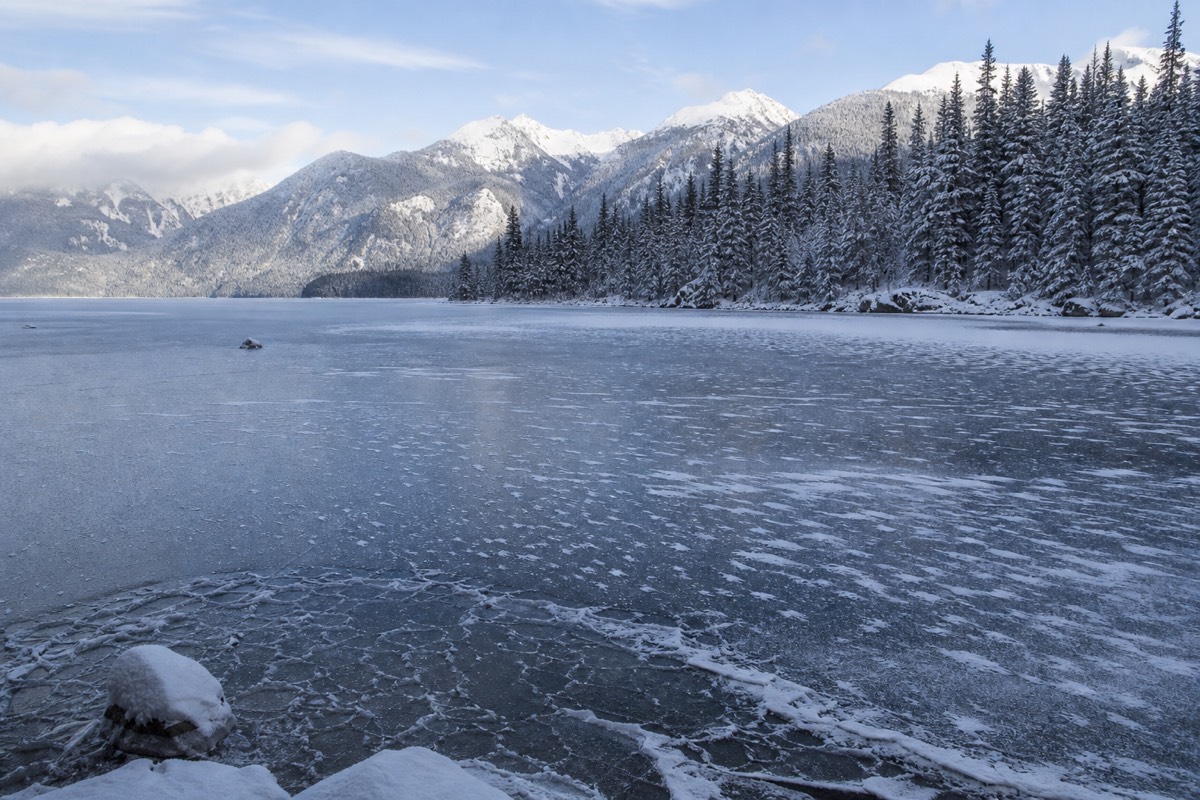
Ice fishing is the antidote to the snowmobile's roar. The featured trip, has its own activity requirements, starts with a hotel pickup and a drive to a quiet lake, often toward Pemberton where the fish run larger, then a short walk onto the ice. Your guide bores the holes with a powered auger, raises an insulated tent with a propane heater, and you settle in to watch your line for the tug of a wild rainbow trout. It is social, warm and genuinely relaxing, and it works for complete beginners and kids alike.
A few honest details. This is a strict catch-and-release trip, so you fish for the thrill, not for dinner. You need a British Columbia freshwater fishing licence, required for anyone 16 or older, which runs around CA$20 to CA$25 for a short-term non-resident permit; the operator sends a link to buy it before pickup, so sort it in advance. Groups are small, capped around five per tent, and there is usually an upper age limit near 70 for safety on the ice. Give your exact shoe size at booking so the insulated boots fit. The season tracks solid ice, roughly forming in November and holding through March. Warm layers are on you, and a thermos of something hot is a good idea.
What about dog sledding, sleigh rides and snowshoeing?
Dog sledding runs through the Callaghan Valley on a roughly three-hour round trip including the shuttle, with morning and afternoon departures. Horse-drawn sleigh rides glide across Blackcomb under blankets, and snowshoeing opens quiet trails like Alexander Falls and the Train Wreck loop. All three are gentle, family-friendly and need no experience.
The softer side of the winter menu is where families and less adventurous travelers land, and none of it is any less memorable for being calm. Dog sledding takes you into the Callaghan behind a team of powerful dogs led by a professional musher, through old-growth forest and open terrain, with departures spread across the day and a round trip of about three hours once the shuttle is counted. It is a bucket-list ride and reliably a hit with kids.
Horse-drawn sleigh rides on Blackcomb are the coziest option going, with padded bench seats, canopies and warm blankets while you wind along the mountain above the village lights. Snowshoeing is the most flexible and cheapest, since you can join a guided outing or simply rent snowshoes and set off on marked trails yourself. Accessible routes include Alexander Falls in the Callaghan Valley and the Train Wreck and Cheakamus River loop, where an old set of derelict boxcars sits deep in the snowy forest. The bubly Tube Park rounds things out with lift-served sliding for all ages. Most of these gentler adventures run from about mid-December to mid-April. For the wildlife side of a winter trip, the eagle season overlaps neatly, which we cover under winter eagle and wildlife viewing.
Which winter activity fits your fitness and comfort level?
Match the activity to how active you want to be. Activity demands vary: the featured ice-fishing trip requires moderate fitness despite its heated tent. Dog sledding and snowshoeing sit in the middle. Backcountry snowmobiling demands the most, since you control a powerful machine on varied terrain, and it carries real age, licence and weight rules.
Fitness is rarely the barrier people expect in a Whistler winter, because so much of the menu is designed for spectators-turned-participants. If mobility or energy is limited, a sleigh ride or a heated ice-fishing tent offers shelter, but the featured outing still requires moderate fitness, and the tube park is effort-free thrill for kids. These are the outings that work across three generations at once.
Snowmobiling is the outlier that needs a real look before you book. It is not physically punishing, but steering and controlling the machine takes focus and a bit of nerve, and the rules are firm on age, licences and weight. Snowshoeing and dog sledding land in between, involving some walking and cold-weather stamina but no special skill. Choosing well is mostly about being honest with yourself about how much you want to drive versus be carried. If you are still deciding how much to pack into the trip, our guide to how many days you need helps you avoid over-scheduling a winter itinerary.
| If you want to... | Best fit | Effort level |
|---|---|---|
| Be carried and stay warm | Sleigh ride, ice fishing | Minimal |
| Have low-effort thrills with kids | Tube park, dog sledding | Low |
| Get some exercise in nature | Snowshoeing | Moderate |
| Chase speed and adrenaline | Backcountry snowmobiling | Higher, with rules |
What should you wear for a Whistler winter day out?
Dress in layers: a warm base layer, an insulating mid layer, and a waterproof, windproof outer shell, with insulated snow pants, a warm hat, and quality gloves. Waterproof winter boots and thick socks matter most, since your feet spend hours in the snow. Add goggles or polarized sunglasses against snow glare.
The single biggest comfort factor in a winter adventure is staying dry, and layers are how you do it. A base layer wicks sweat, a mid layer traps heat, and a shell blocks wind and snow, and the beauty of the system is that you can shed or add pieces as the activity heats you up or the wind bites. Cotton is the enemy here, since it holds moisture and chills you; wool and synthetics are the friends.
Extremities decide whether you have fun or endure. Waterproof insulated boots and warm socks keep your feet working through a static ice-fishing morning or a snowmobile ride, and good gloves protect your hands on the throttle or the sled lines. Some operators provide extras: the snowmobile trip includes helmet and goggles, and the ice-fishing outfit lends insulated boots if you give your size in advance. Snow glare is fierce, so pack goggles or polarized sunglasses. Bring hand warmers for the still activities, where you generate little heat of your own.
| Layer | What to wear | Why it matters |
|---|---|---|
| Base | Merino or synthetic thermal top and bottoms | Wicks sweat, avoids the chill of cotton |
| Mid | Fleece or light down | Traps body heat, easy to add or remove |
| Outer | Waterproof, windproof shell and snow pants | Blocks snow and wind on the move |
| Extremities | Waterproof boots, thick socks, warm gloves, hat | Where cold hits first on long, still outings |
| Extras | Goggles or polarized sunglasses, hand warmers | Snow glare and static-activity warmth |
When does each winter activity run?
Most non-ski winter activities operate from about mid-December to mid-April, tracking reliable snow and ice. Snowmobiling and dog sledding run through that window in the Callaghan, ice fishing needs solid ice from roughly November into March, and the tube park and sleigh rides follow the resort's winter operating calendar. Deep winter gives the surest conditions.
Snow and ice, not the calendar, open and close the season. The Callaghan-based trips, snowmobiling and dog sledding, generally run from around mid-December once the base builds, through to mid-April as it holds. Ice fishing depends on lakes freezing thick enough to stand on, which usually means solid ice from about November through March, with the best fishing in the coldest months.
The resort-run options follow Whistler Blackcomb's winter operating dates, so the tube park, sleigh rides and gondola sightseeing come and go with the mountain's calendar. Because early and late season conditions vary year to year, book flexible dates around the shoulders of winter and confirm operating status with the operator or Tourism Whistler close to your trip. January and February are the safest bets for every activity at once.
| Activity | Typical season | Peak conditions |
|---|---|---|
| Snowmobiling | December to April | January to March |
| Ice fishing | November to March | Deep winter, coldest weeks |
| Dog sledding | Mid-December to mid-April | Mid-winter |
| Snowshoeing | December to April | Any settled snow |
| Sleigh rides and tube park | Resort winter calendar | Peak winter holidays onward |
How do you build a non-ski winter day in Whistler?
Stack one active outing with one relaxed one. A classic pairing is a morning snowmobile run in the Callaghan followed by an afternoon in the village or a sleigh ride, or a calm ice-fishing morning matched with the tube park later. Book the weather-sensitive adventure first and keep a backup day in reserve.
The trick to a good non-ski winter day is contrast. Pair something that gets your heart going with something that lets you warm up and slow down, so you are not exhausted or frozen by mid-afternoon. A snowmobile run in the morning, when energy is high and the light is fresh, leaves the afternoon for a hot lunch, the village stroll or a gentle sleigh ride. An ice-fishing morning, calm and warm in the tent, pairs beautifully with an active hour at the tube park afterward. Every winter adventure we point to here is booked through the operators we work with at Whistler BC Tours, so check the current itinerary and conditions on the selected listing.
Weather is the wildcard, so book the most condition-sensitive activity, usually snowmobiling or a flight, early in your stay, leaving later days as backups if it gets cancelled. Add the Peak 2 Peak Gondola, on a clear day for a non-ski way to reach the high alpine and link the two mountains. For a full alternative-to-skiing plan, our roundup of everything there is to do in Whistler ties the whole valley together, and year-round riders can also look at ziplining through the rainforest, which runs even in winter.
| Tour | Vibe | Length | Planning example, not a quote |
|---|---|---|---|
| Backcountry snowmobile run | High adrenaline | About 3 hours | US$249 |
| Ice-fishing adventure | Calm and cozy | About 3 hours | US$164 |
| Peak 2 Peak Gondola ride | Scenic, all ages | About 2 hours | US$100 |