Whistler Wildlife & Bear-Viewing Guide
The same ski runs that carry skiers all winter turn into black-bear feeding grounds in spring. Here is where to look, when to go, and how to watch without doing any harm.
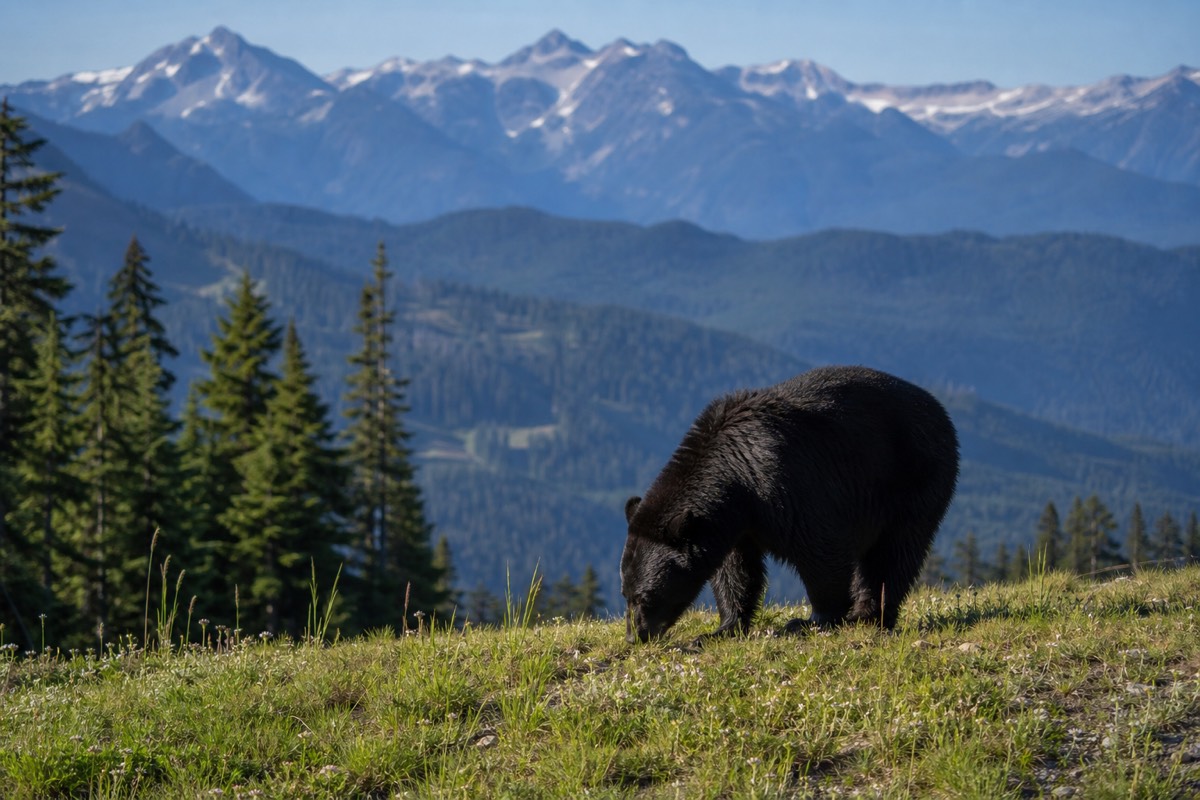
Ride the Whistler Village Gondola up in late May and look straight down. On the green ski runs below, where snowboarders were carving two months earlier, a black bear is usually working the slope, tearing at dandelions and clover like a lawnmower with claws. Whistler sits in a valley that is unusually good at putting large wild animals within a short walk of a coffee shop, and that closeness is the whole appeal of a wildlife day here. It is also the thing most likely to go wrong if you treat a wild bear like a photo prop.
This guide covers the resident black bears first, because they are the animal almost everyone comes to see, then widens out to the marmots, eagles, deer and birds that share the valley. We flag the honest limits along the way: sightings are never promised, seasons matter more than luck, and the ethical rules are not decoration. For the broader picture of what fills a Whistler itinerary, our rundown of things to do across Whistler sets the scene, and the wildlife here threads through both the warm months and the cold ones.
Budget note: original price examples below are planning allowances, not current quotes. Compare the provider’s actual date, currency, party and included extras before relying on a figure.
Plan This Experience
Discover Whistler’s bear habitat with a local nature guide on a morning Land Rover search. The value is the guided route and interpretation; wildlife sightings are never guaranteed.
At a glance: the Whistler black-bear year
How many black bears actually live around Whistler?
Whistler's ski area supports well over 50 resident black bears that feed, mate and hibernate inside the resort boundary. A formal count once tallied at least 48 individuals, and the population has stayed strong because more than 200 ski runs double as green pasture once the snow melts.
The reason so many bears live here comes down to food and habit. When ski runs are cut through the forest, they are seeded with grass, clover, sedge and dandelion, and those plants are exactly what a black bear wants in spring and early summer. The mountain effectively became a giant salad bar the moment it became a ski resort. Local bear researcher Michael Allen has tracked these animals for decades, sampling the same travel corridors year after year at Cheakamus Crossing, on Whistler and Blackcomb mountains, and across the Fairmont Chateau Whistler golf course.
These are American black bears, not grizzlies. Adults you see on the lower slopes are often females with cubs, since the open runs give mothers good sightlines to keep watch. Because the bears are habituated to lifts, groomers and hikers, they mostly ignore people who keep their distance, which is precisely why keeping that distance matters. A bear that learns to associate humans with food, or that stops fearing them, tends to end up dead. Whistler Blackcomb and Tourism Whistler both push the same message every season, and it is not marketing: fed bears do not survive.
When can you see black bears near Whistler?
Bears emerge from hibernation around mid-April and stay active into November, so the viewing window runs spring through fall. Late spring and early summer are the easiest, when bears feed heavily on green shoots at low elevation and are visible from the gondola and valley trails in the cool hours of morning and evening.
The calendar drives everything. In deep winter the bears are denned and you will not see one. As the snowpack retreats up the mountain in April and May, bears follow the fresh growth, which means they start low, in wetlands and on the bottom ski runs, then climb through the season. By midsummer many have moved to higher meadows and the alpine, and by fall they are fixated on berries and packing on weight before denning again.
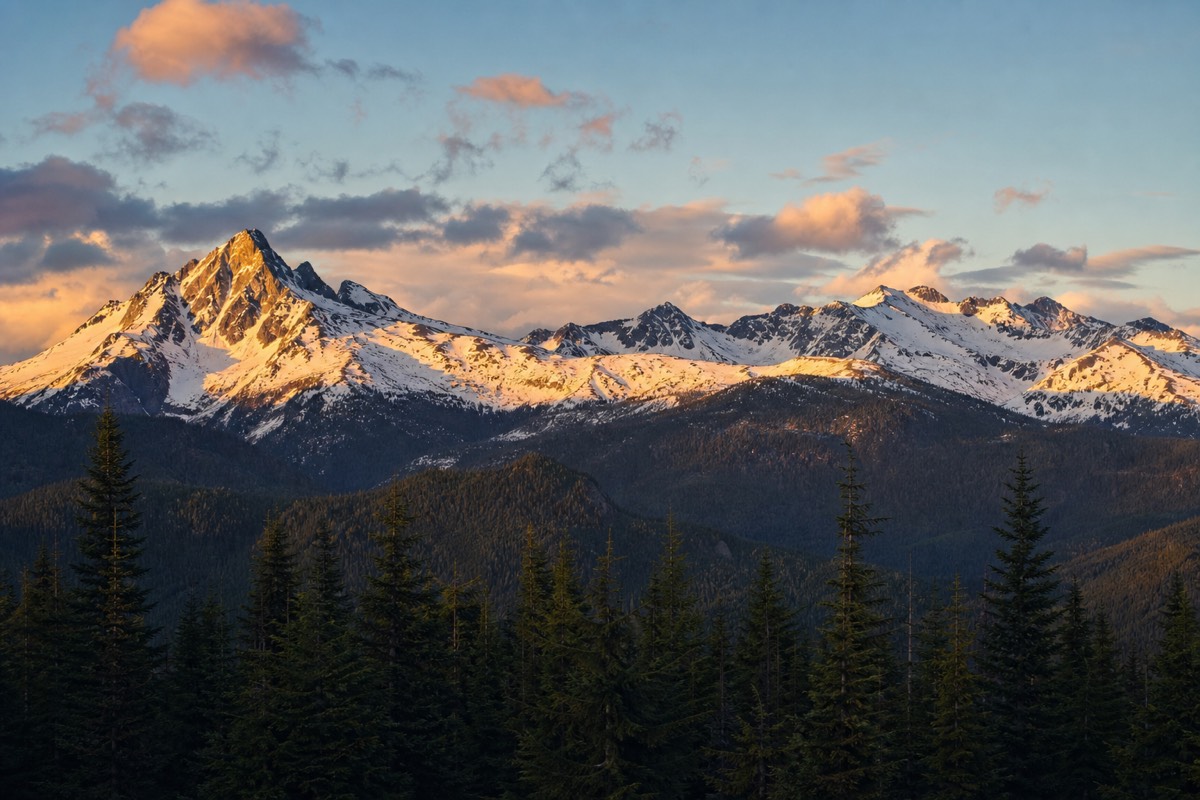
Time of day matters as much as time of year. Bears feed hardest in the first hours after dawn and the last hours before dark, avoiding the midday heat. That is exactly why the guided sunrise runs exist, and why a dawn start beats a lazy 11am one. If you are timing a whole trip around wildlife and weather, our notes on the best time of year to visit line up well with the bear season.
| Season | What the bears are doing | Where to look | Sighting odds |
|---|---|---|---|
| Mid-April to May | Just out of the den, grazing new green growth and skunk cabbage | Wetlands, valley trails, lower ski runs, golf courses | Good, at dawn and dusk |
| June to July | Feeding hard on slope greens, mothers with spring cubs | Lower and mid ski runs, seen from the gondola | Very good in the cool hours |
| August | Following ripening berries higher up the mountain | Mid to upper slopes, alpine edges, berry patches | Moderate, shifting higher |
| September to October | Berry gorging before hibernation, very food-focused | Berry patches, forest edges, riverbanks | Good, but bears range widely |
| November to mid-April | Denning and hibernation | Denned, not visible | None |
Where do the bears feed through the year?
Follow the food and you follow the bears. Early spring pulls them into skunk-cabbage wetlands, late spring and summer keep them on the grassy ski runs and golf greens, and fall drives them into berry patches. They move up the mountain as the season warms and the snowline retreats.
A black bear's year is a moving feast, and knowing the menu tells you where to stand. Right after the den, when little else has greened up, bears pile into low wetlands to eat skunk cabbage, one of the first plants to push through. As the valley greens, they spread onto the manicured slopes and the edges of the golf courses, which is where most first-time visitors get their sighting. Later, once huckleberries and other mountain berries ripen, the whole population drifts upslope to gorge.
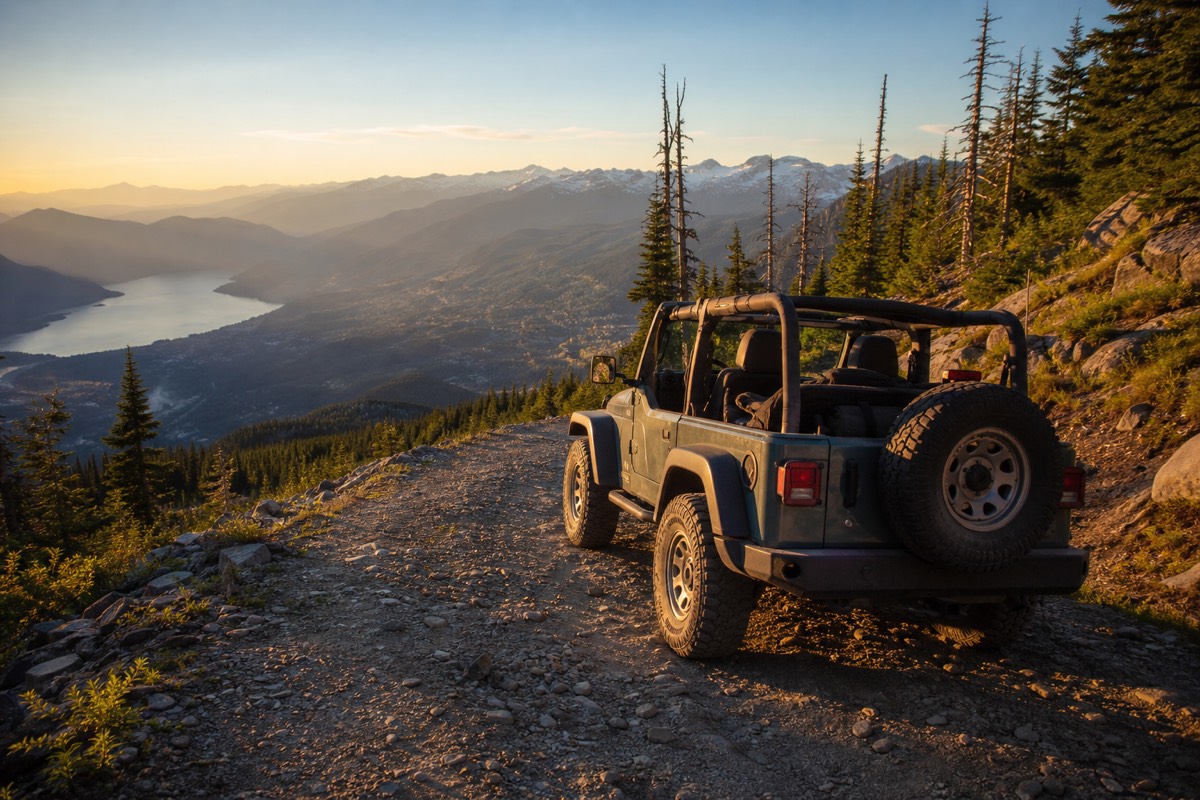
This is also why a guided tour that knows the current feeding zones beats wandering hopefully. The habitat changes week to week, and a guide who checked the same meadows yesterday has a real edge. The featured sunrise Land Rover run is built around exactly this knowledge, tracking where bears have been feeding and reaching quiet corners a rental car cannot.
| Food source | Peak window | Typical elevation | Best viewing habitat |
|---|---|---|---|
| Skunk cabbage and new shoots | April to early May | Valley bottom | Wetlands and boggy forest edges |
| Grass, clover and dandelion | May to July | Low to mid slope | Ski runs and golf greens |
| Ants, grubs and roots | Throughout summer | Variable | Deadfall and turned earth |
| Huckleberries and mountain berries | August to October | Mid to high slope | Berry patches and clearings |
Is a guided Land Rover bear tour worth it, or should you DIY?
A guided tour buys you three things a self-guided drive cannot: a naturalist who knows this week's feeding zones, legal access into gated forestry roads, and a raised, safe vantage point. Doing it yourself is free and flexible, but your odds drop and you are limited to public roads and trails.
You can absolutely see bears on your own in Whistler. The gondola, the Valley Trail, Lost Lake and the golf-course edges all produce sightings in season, and they cost nothing beyond a lift ticket. The trade-off is knowledge and access. A guide spends every morning reading the same meadows and can take you up gated backcountry roads that are closed to the public, then park a high-clearance vehicle where you can watch from above at a respectful range.
The sunrise Land Rover experience we feature leans on that, running about two and a half hours in the cool early light when bears feed most openly, with a naturalist reading tracks and behavior as you go. It is honest about the catch, too: no operator can promise a wild animal will appear. What a good tour promises is a better-informed search, safer positioning, and someone who can turn a no-bear morning into a genuinely interesting one on ecology, tracks and the wider valley. If you would rather cover ground and history as well as wildlife, the year-round sightseeing loop folds animal-spotting into a broader tour of the valley.
| Factor | Guided Land Rover tour | Self-guided (DIY) |
|---|---|---|
| Cost | From around US$152 per person, on the live listing | Free, or the cost of a gondola ticket |
| Sighting odds | Higher, guide tracks current feeding zones | Lower, luck and timing dependent |
| Access | Gated forestry roads and quiet backcountry | Public roads, trails and lift-served slopes |
| Safety and vantage | Raised vehicle, kept at a safe distance | You manage your own distance on foot |
| Learning | Naturalist commentary on ecology and behavior | Self-taught, whatever you research first |
| Best for | First-timers, photographers, dawn risers | Independent travelers on a budget |
How do you watch bears safely and ethically?
Keep at least 100 metres from a bear, never between a mother and cubs, and never feed one or leave food out. Stay in or beside your vehicle where you can, use a zoom lens instead of stepping closer, and back away quietly if a bear notices you. A bear that gets human food usually ends up destroyed.
The ethics here are not soft. British Columbia bears that become food-conditioned or lose their fear of people are frequently killed, because a habituated bear near a village is a public-safety problem. Every selfie taken too close, every dropped sandwich, every propped-open cooler nudges an animal toward that fate. Watching well means watching from a distance and leaving no trace that you were interested in the bear at all.
Practical rules travel with you. Give a feeding bear space and an escape route, and never surround one. Keep dogs leashed and out of it, since a loose dog can trigger a defensive charge. If a bear stands up, it is usually just trying to see and smell better, not threatening you. Do not run. Speak calmly, make yourself visible, and retreat the way you came. Carry your food sealed, and pack out every scrap. These are the same standards the guided operators hold themselves to, which is part of why a good tour is a responsible way to see a bear rather than a risky one.
| Do | Don't |
|---|---|
| Keep 100 metres or more of distance | Approach for a closer photo |
| Watch from or beside your vehicle | Get between a sow and her cubs |
| Use a zoom lens or binoculars | Feed, bait or leave food out |
| Back away slowly if noticed | Run, shout or crowd the animal |
| Keep dogs leashed and away | Let a dog approach or bark at a bear |
What other wildlife will you see around Whistler?
Beyond bears, Whistler's headline animals are hoary marmots in the summer alpine, bald eagles that gather by the thousand near Squamish each winter, and black-tailed deer along the valley trails. Add coyotes, marmots' smaller cousins, ospreys over the lakes and a busy cast of alpine birds.
The town literally takes its name from wildlife: the hoary marmot's sharp alarm whistle is the sound early trappers heard on the ridges. In summer you find these fat, sociable rodents sunning on rocks above the treeline, easy to spot on alpine hikes once the snow clears. They are one of the surest sightings of the warm season if you get up high.
The other spectacle is winged and seasonal. Each winter, one of the largest gatherings of bald eagles in the world forms around Brackendale and Squamish, roughly a 40-minute drive south toward Vancouver, where the birds pile in to feed on spawning salmon from about October into March. The Eagle Run viewing area in Squamish is the classic spot, and it pairs neatly with a drive up the corridor, which we map out in our guide to the stops along the Sea to Sky Highway. Closer to the village, Columbian black-tailed deer browse the forest edges, coyotes trot the quieter trails at dawn, and ospreys hunt the lakes in summer.
| Animal | Best season | Where to look | Notes |
|---|---|---|---|
| Hoary marmot | Summer | Alpine ridges above the treeline | Listen for the whistle the town is named after |
| Bald eagle | Winter, Oct to March | Brackendale and Squamish, Eagle Run | One of the world's largest winter gatherings |
| Black-tailed deer | Year-round | Valley Trail, forest edges, Lost Lake | Most active at dawn and dusk |
| Coyote | Year-round | Quiet trails and open ground at dawn | Shy, keep dogs leashed |
| Osprey and waterbirds | Summer | Green Lake, Alta Lake, wetlands | Watch for osprey diving for fish |
Where are the best DIY spots to look on your own?
For a no-cost search, walk the Valley Trail and the Lost Lake loops at dawn for bears and deer, ride the gondola in early summer to scan the ski runs below, and drive south to Squamish's Eagle Run in winter. Green Lake and Alta Lake are your best bets for ospreys and waterbirds in summer.
Independent wildlife-watching in Whistler rewards early risers. The paved Valley Trail threads wetlands, lakeshores and forest edges where deer and the occasional bear turn up in the first light, and the Lost Lake network is quiet enough at dawn to feel wild despite being minutes from the village. From the lifts, the summer gondola gives you a moving balcony over the grassy runs where bears feed, which is genuinely one of the easiest bear views anywhere.
Match the spot to the season. Summer means high alpine for marmots and lakeshores for birds, so a morning ride up combined with an alpine walk covers a lot of ground. Winter flips the script and sends you south for eagles. If you are folding this into a bigger plan, our overview of what to do in Whistler in summer and the companion piece on winter activities beyond the ski runs both slot wildlife into a fuller day. Families in particular tend to love the low-effort sightings, which we build on in the guide for families travelling with children.
How do you photograph Whistler's wildlife?
Shoot at dawn or dusk with a long lens, at least 200mm, from a safe distance, and let the light do the work. A fast shutter of 1/1000 or quicker freezes movement, a wide aperture blurs the background, and staying calm and low means the animal keeps behaving naturally instead of fleeing.
Good wildlife photos come from distance and patience, not from creeping closer. A telephoto lens is the honest way to fill the frame, and it keeps you where you belong, well back from the animal. The soft, angled light of early morning and late evening flatters fur and feathers, and it happens to coincide with peak animal activity, so the ethical time and the photogenic time are the same time.
Dial in for movement. A shutter speed around 1/1000 of a second freezes a grazing bear or a diving osprey, and a wide aperture separates your subject from a busy forest background. Bump your ISO rather than slow the shutter in dim light. Most of all, read the animal: if it lifts its head and fixes on you, you are too close or too loud, and the right move is to ease back. The best frames come when the bear forgets you are there. The featured floatplane flight offers a completely different angle on the same wilderness, trading fur close-ups for aerial views of the glaciers and lakes these animals live among, which we cover fully in our guide to flightseeing over Garibaldi and the Black Tusk.
| Subject | Lens | Settings | Best timing |
|---|---|---|---|
| Grazing bear | 200 to 400mm telephoto | 1/1000s, wide aperture, low angle | First and last light |
| Perched or flying eagle | 300mm or longer | 1/2000s, continuous focus | Winter mornings at Eagle Run |
| Marmot on the rocks | 100 to 300mm | 1/500s, mid aperture for sharpness | Sunny summer afternoons |
| Deer at forest edge | 200mm plus | 1/500s, higher ISO in shade | Dawn and dusk |
Which tours pair best with a wildlife day?
Three of our featured trips lean into wildlife: the sunrise Land Rover run for bears, the year-round sightseeing loop for a mix of animals and valley highlights, and the floatplane for an aerial view of the wilderness. Pair a dawn wildlife outing with an afternoon on the water or in the air.
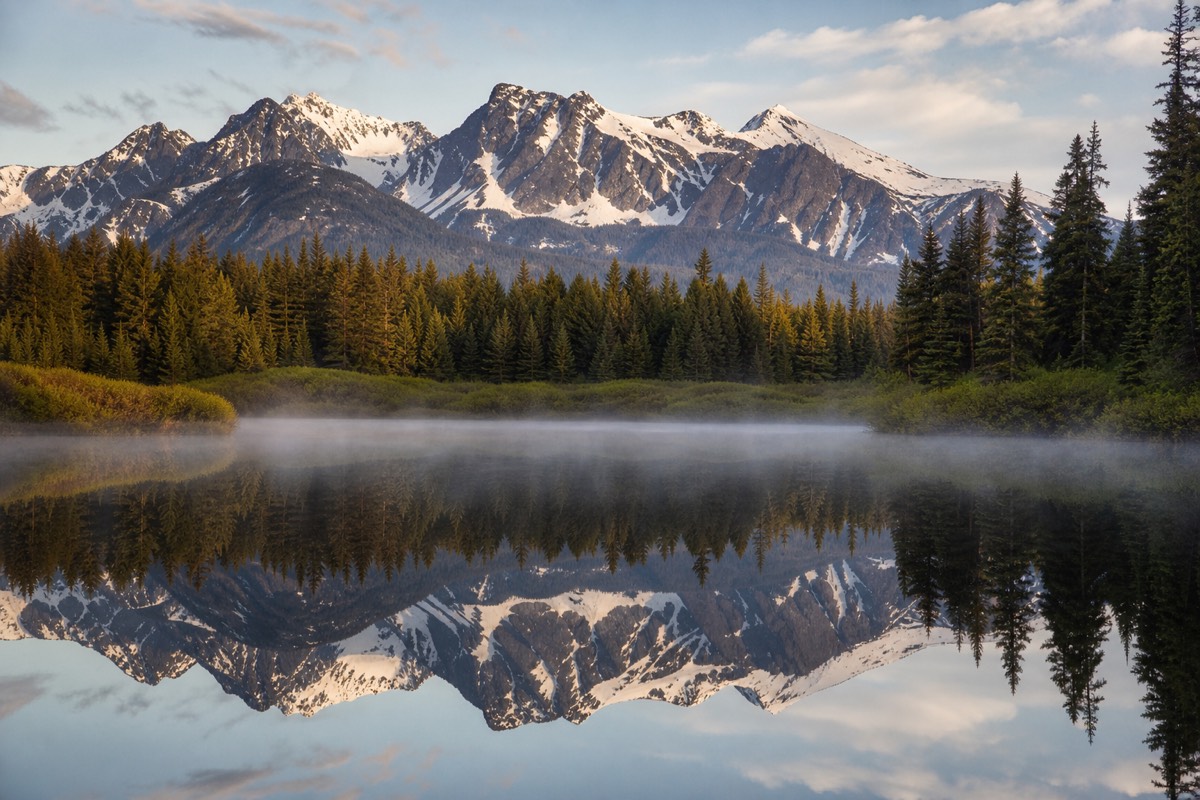
A wildlife-first day in Whistler works best stacked around the light. Start at dawn with a bear-focused outing when the animals are feeding, then use the middle of the day, when wildlife goes quiet, for something scenic. The floatplane flight is ideal for that midday slot, since it shows you the glaciers, Garibaldi Lake and the Black Tusk from above, the same backcountry the bears and marmots inhabit. Every wildlife outing we point to, from the sunrise Land Rover run to the seaplane is booked through the operators we work with at Whistler BC Tours, so confirm the current itinerary, price and restrictions on the selected provider’s page.
If your group has mixed interests, the sightseeing loop is the diplomat of the bunch, covering Green Lake, Olympic history and valley viewpoints while keeping eyes open for deer and bears along the way. For the more adrenaline-minded, our guides to backcountry snowmobiling and ice fishing and to guided eBike rides through the forest both put you deep in the same landscape, just at higher speed.
| Tour | Focus | Length | Planning example, not a quote |
|---|---|---|---|
| Sunrise Land Rover bear tour | Black bears, backcountry access | About 2.5 hours | US$152 |
| Year-round sightseeing loop | Valley highlights, mixed wildlife | About 3 hours | US$103 |
| Floatplane over Garibaldi | Aerial wilderness, glaciers, lakes | About 30 minutes airborne | US$210 |