Is the Drive from Vancouver to Whistler Worth It?
The drive is not just how you reach Whistler. On the Sea to Sky Highway, the journey is one of the best things you will do all trip.
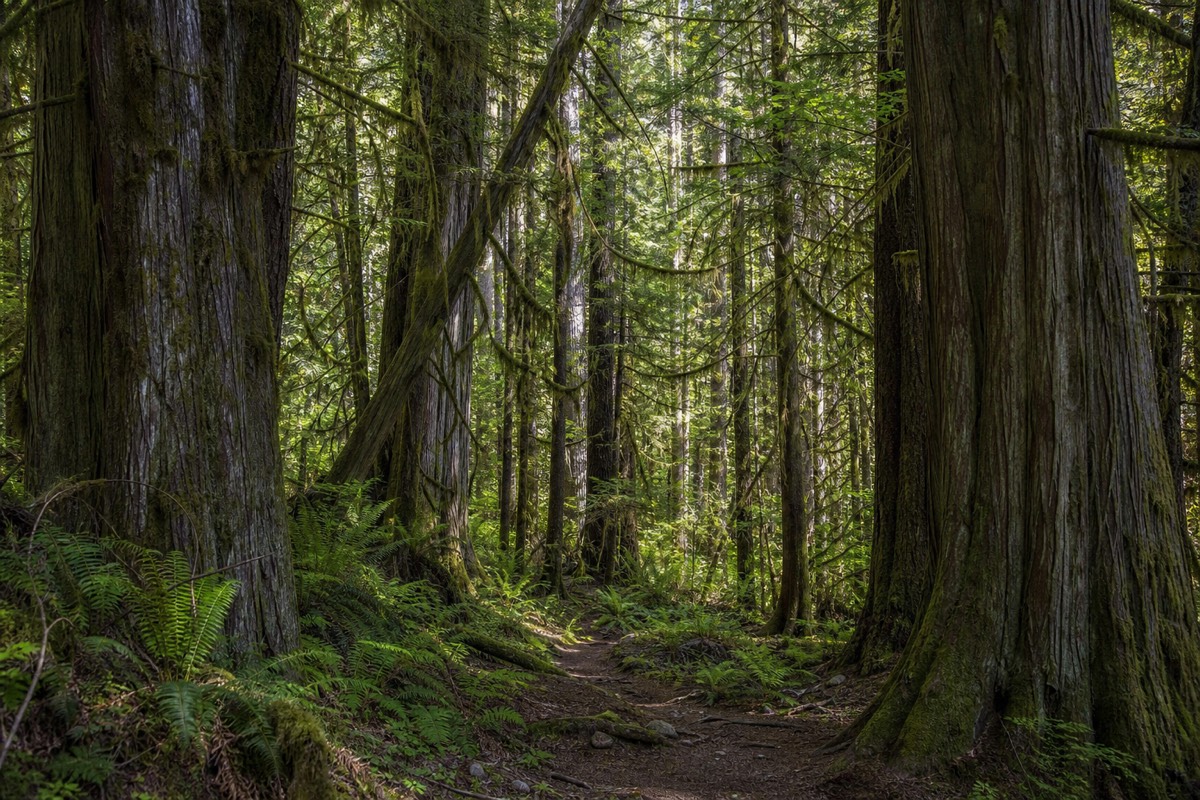
Some drives are a chore you endure to reach the good part. The Sea to Sky Highway is not one of them. In 120 kilometres it strings together ocean fjord, granite cliffs, waterfalls, and glacier-capped peaks, which is why it turns up on lists of the world's most scenic roads. If you are wondering whether to rush it or savour it, savour it.
Plan This Experience
The Vancouver round trip includes Shannon Falls, Sea to Sky Gondola admission and Whistler free time; a direct coach is the transport-only alternative.
At a glance: the Vancouver to Whistler drive
Approximate distances along Highway 99; check live road conditions before a winter departure.
Is the drive from Vancouver to Whistler worth it?
Yes, emphatically. The Sea to Sky Highway is regularly called one of the most beautiful drives on the planet, running alongside Howe Sound before climbing into the Coast Mountains. With waterfalls, viewpoints, and a couple of worthwhile stops along the way, the drive is a highlight in its own right, not just a transfer.
The road delivers its scenery almost immediately. Within half an hour of leaving Vancouver you are tracing the edge of Howe Sound, a genuine fjord, with islands and mountains stacked across the water. From there the highway climbs steadily past Squamish and into the alpine, and the views only get bigger as you gain elevation.
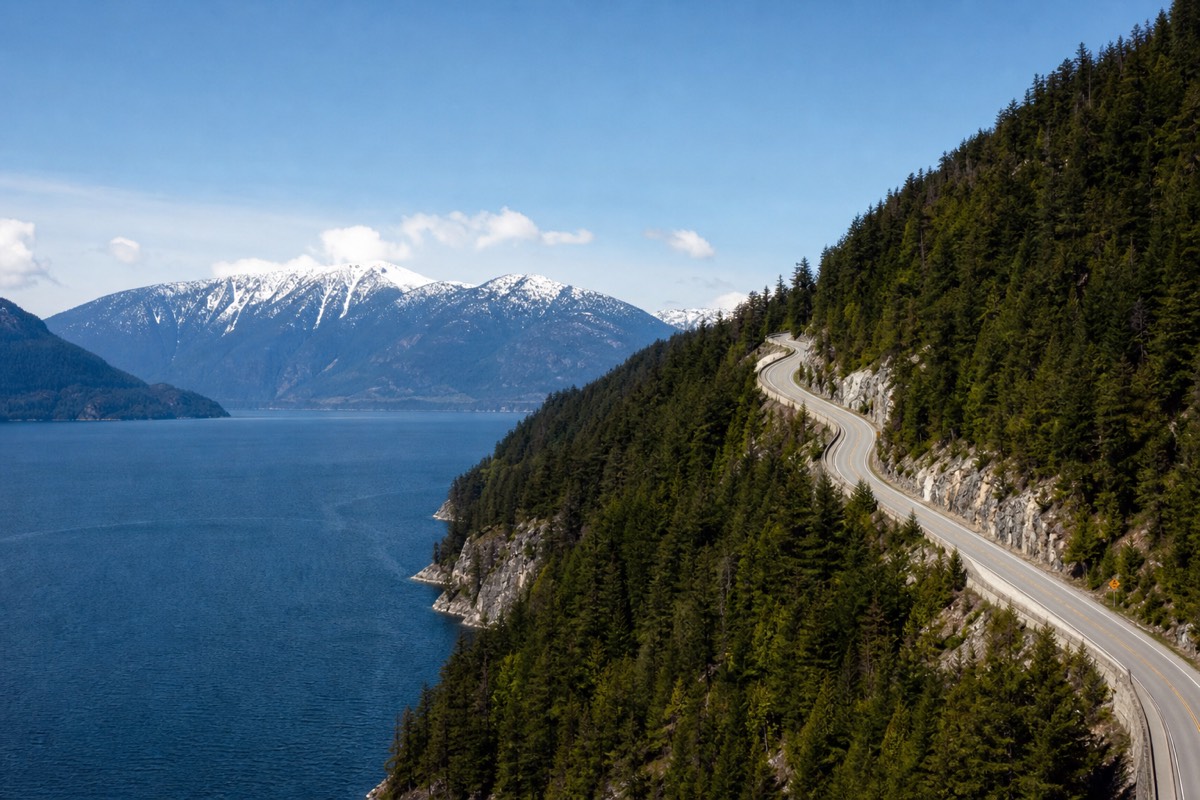
That is what makes this drive different from a dull motorway slog. Every leg offers something to look at, and the short detours to waterfalls and lookouts cost only minutes. If you want the full menu of where to stop, our guide to the best stops on the Sea to Sky Highway lays them out with timings.
What makes the Sea to Sky drive so good?
The variety. In one short drive you pass Howe Sound's fjord scenery, Shannon Falls at 335 metres, the granite face of the Stawamus Chief, the Tantalus Range lookout, and Brandywine Falls, before the peaks of Whistler Blackcomb fill the windshield. Few roads pack this many landscapes into so little distance.
What sets this highway apart is how quickly the scenery changes. You start beside saltwater, then you are among coastal rainforest, then granite walls, then high mountains, all inside a couple of hours. Each of the headline stops sits within a short walk of the road, so you can sample the drama without committing to a hike.
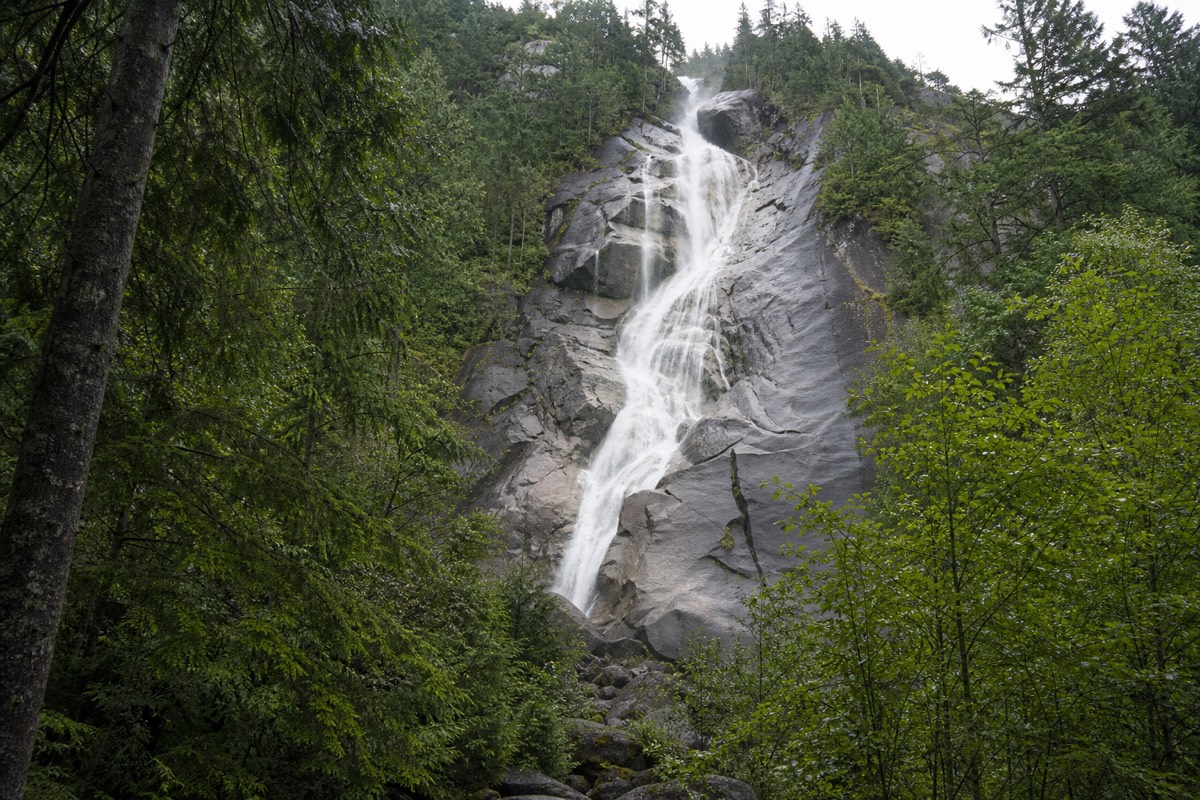
Shannon Falls is the easy crowd-pleaser, a five-minute stroll to one of the tallest waterfalls in the province. The Stawamus Chief looms over Squamish for the climbers among you, and Tantalus Lookout frames a wall of glaciated peaks. The table below picks out the stops that best reward a pull-over.
| Stop | What you see | Time to add |
|---|---|---|
| Howe Sound viewpoints | Fjord, islands, water and mountains | 5 to 10 minutes |
| Shannon Falls | A 335-metre waterfall, short walk | 15 to 20 minutes |
| Stawamus Chief | Giant granite dome above Squamish | 10 minutes for the view |
| Tantalus Lookout | Glaciated Tantalus Range panorama | 10 minutes |
| Brandywine Falls | A 70-metre plunge, easy trail | 20 to 30 minutes |
How long does the drive take, and where does the time go?
Plan on 1.5 to 2 hours from downtown Vancouver for the 120 kilometres, and longer from the airport or in traffic. The time is eaten not by distance but by the road itself, a climbing, curving mountain highway with viewpoints that beg you to stop, so the drive fills a morning as easily as it fills two hours.
Broken into legs, the drive is easy to picture. The first stretch clears the north edge of the city and reaches Howe Sound within about half an hour. By the one-hour mark you are in Squamish, the rough halfway point, with Shannon Falls just off the road. The final hour climbs steadily past Brandywine Falls and into the resort, and it is here that the glaciated peaks above Whistler finally come into full view.
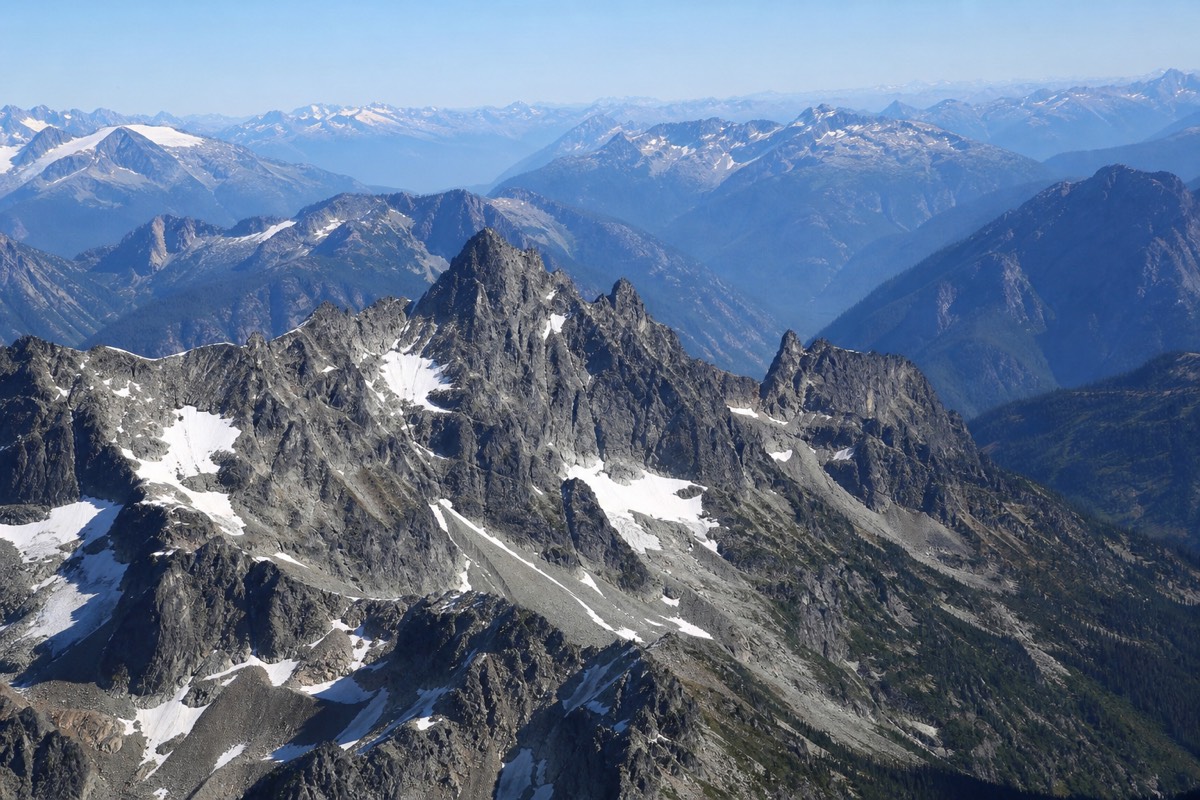
The table below lays out the drive segment by segment, with cumulative distance and time from downtown, so you can see where a stop naturally fits. Distances are approximate and the times assume good conditions, so add a buffer for a summer weekend or a wet winter morning.
| Segment | Cumulative distance | Cumulative drive time | What you are seeing |
|---|---|---|---|
| Vancouver to Horseshoe Bay | About 20 km | 20 to 30 minutes | City edge, first Howe Sound views |
| Horseshoe Bay to Squamish | About 64 km | About 1 hour | Fjord shoreline, Shannon Falls, the Chief |
| Squamish to Brandywine Falls | About 110 km | About 1 hour 30 minutes | Tantalus Range, forest, waterfalls |
| Brandywine Falls to Whistler | About 120 km | 1 hour 45 minutes to 2 hours | The Coast Mountains and the resort |
When is the drive less worth it?
The drive loses its shine in bad weather or heavy traffic. A winter storm over the pass or a bumper-to-bumper summer weekend trades scenery for stress, and low cloud hides the peaks. On those days a shuttle, whose driver runs the road daily, or a different departure time is the smarter choice.
Honesty matters here. The Sea to Sky is a joy in clear conditions and a grind in poor ones. When cloud sits low, the big views vanish, and a snowy pass demands your full attention rather than sightseeing. Summer weekends can also clog the road, which drains the pleasure out of what should be a leisurely cruise.
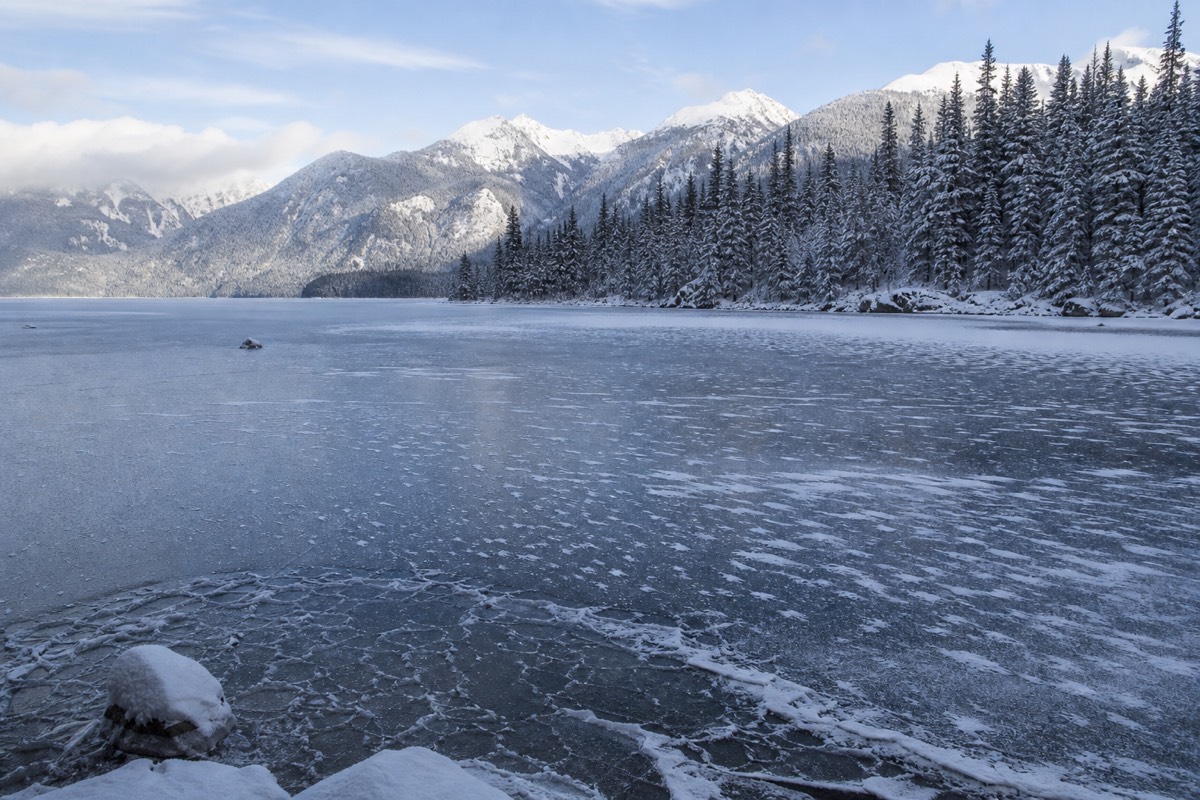
The fixes are simple: leave early, check the forecast, and know that on a rough day the drive is a means to an end rather than the highlight. If you would rather not drive at all in those conditions, the shuttle and transfer options in our guide to all the ways to get from Vancouver to Whistler keep the trip easy.
When is the light best, and does the direction matter?
Morning is the sweet spot heading north: soft light on Howe Sound, a quieter road, and the sun behind you rather than in your eyes. The drive home in late afternoon catches the peaks in warm side-light. Either way, an early start buys the calm hours before the day-trippers and weekend traffic arrive.
The corridor looks different depending on when and which way you drive it. Northbound in the morning, the light falls gently across the water of Howe Sound and the granite of the Chief, and the road is at its emptiest. That is the version most people remember, which is one more reason to leave Vancouver early rather than mid-morning.
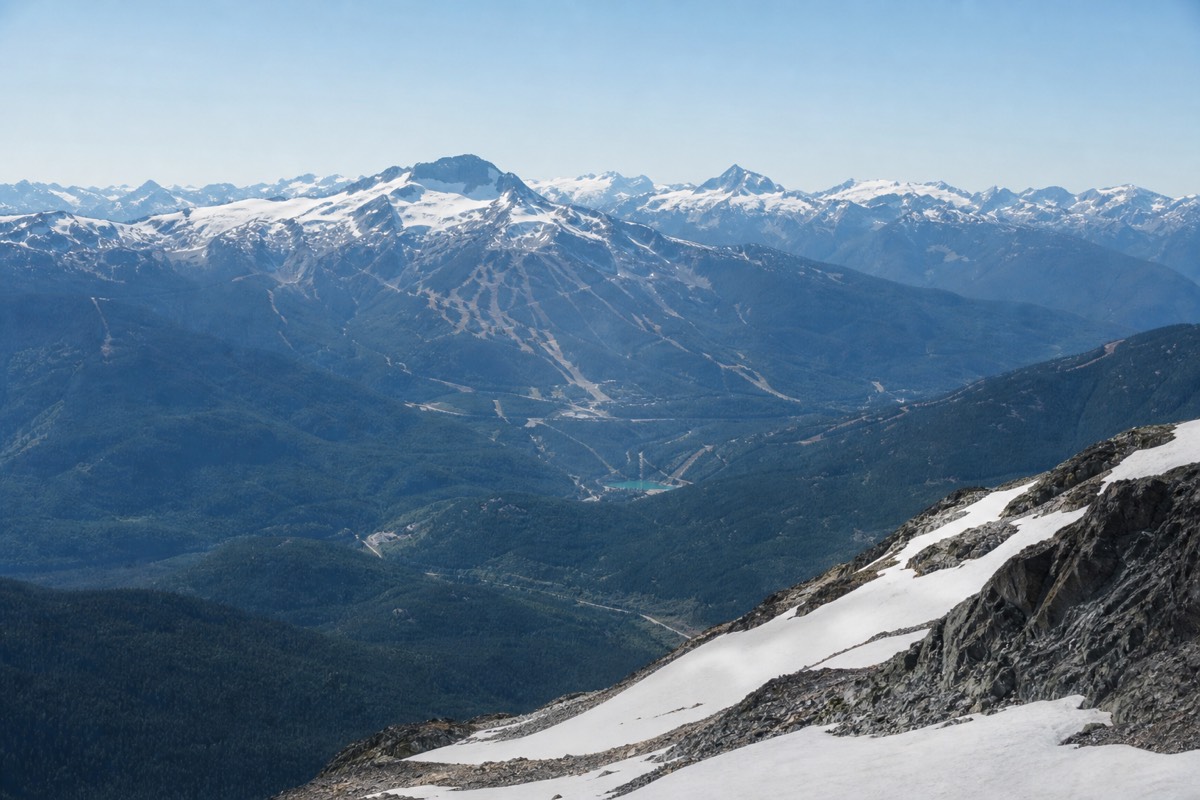
Coming home, the low afternoon sun rakes across the Tantalus Range and throws the ridgelines into relief, so the southbound leg has its own reward. The one thing to plan around is glare, since driving into a low sun on a curving highway is tiring, so sunglasses and a clean windscreen earn their place. In winter the whole window of good light is shorter, one more reason to be off the pass before dusk.
Should you drive yourself or let someone else drive?
Drive yourself if you love a road trip and want to stop on a whim. Let a shuttle or guided tour drive if you would rather watch the scenery than the road, or if winter weather makes you nervous. Both see the same views; the difference is whether you spend the drive steering or looking out the window.
The scenery does not care who is driving, so the choice comes down to how you want to experience it. Behind the wheel you gain total freedom to pull over whenever a view grabs you, at the price of splitting your attention between the road and the landscape. As a passenger you give up that control and gain the chance to simply stare out the window.
A guided tour adds a layer the solo drive cannot: a local who knows which pull-off has the best light and what you are looking at. Pair the drive with a scenic seaplane flight over Garibaldi Lake once you arrive, and you get the corridor from two angles, road and air. The quick comparison below sums up the choice.
| Factor | Drive yourself | Shuttle or guided |
|---|---|---|
| Stopping freedom | Stop anywhere, anytime | Set stops or none |
| Enjoying the view | Eyes on the road | Free to look around |
| Winter driving | Your responsibility | Left to the pros |
| Local commentary | On your own | Guide included on tours |
What should you know before you drive it?
Fuel up before you leave, fit winter tires from October 1 to April 30, and check current conditions before the pass. Cell coverage is patchy in stretches, so download your route and bookings for offline use. The best viewpoints sit in signed pull-offs, not on the shoulder, so plan your stops rather than braking for them.
A little preparation keeps the drive relaxed. Top up the tank in Vancouver or Squamish rather than assuming a station appears when you want one, and from October through April remember that Highway 99 is a designated winter tire and chain route: passenger vehicles legally need tires marked 3PMSF or M+S with at least 3.5 mm of tread, or they risk a fine. A rental booked for winter should come fitted correctly, but confirm that when you collect it.
Two more practical notes. Mobile coverage drops out in places along the corridor, so save your map and any bookings offline before you set off. And the good viewpoints are reached from marked pull-offs and parking areas, never by stopping on the highway itself, so knowing the stops in advance keeps the drive safe. Before a winter departure, the live conditions on DriveBC and the seasonal picture in our note on the best time of year to make the trip are both worth a look.
Is the Sea to Sky drive worth it in winter?
On a clear winter day, yes, and then some: snow-loaded evergreens, partly frozen waterfalls, and white peaks make the corridor even more dramatic. In a storm it is a different drive, one that asks for full attention and proper tires. When the forecast turns, letting a shuttle driver take the wheel is the smarter call.
Winter splits the answer in two. Under blue sky with fresh snow on the peaks, the Sea to Sky is arguably at its most beautiful, and the low sun gives the whole drive a soft, cinematic quality. Shannon Falls and Brandywine Falls partly freeze, a sight in itself, and the traffic is often lighter than a summer weekend.
The other side is real. A pass in active snowfall trades scenery for concentration, and it is no place to be on summer tires or in a hurry. If the mountain forecast looks rough, the calm choice is to hand off the driving and enjoy the view from a coach window instead. Once you arrive, our roundup of winter activities beyond the slopes keeps the day going whatever the weather does.
A concrete example makes the split clear. Leave Vancouver at eight on a cold, clear morning after fresh snowfall, and the drive past a white-dusted Howe Sound and a half-frozen Shannon Falls can be the most memorable part of the whole trip. Do the same drive at four in the afternoon as a storm rolls in, and it becomes a slow, careful crawl you would rather have handed to a shuttle driver who runs the pass every day.
How do you get the most out of the drive?
Leave early for soft morning light and a quiet road, keep a flexible schedule so you can stop when a view appears, and pick two or three highlights rather than every pull-off. Bring a camera, check the weather, and treat the drive as part of the trip. Then let Whistler itself take over once you arrive.
The best version of this drive is unhurried. Morning light flatters Howe Sound and the peaks, the road is quieter before the crowds, and an early start means you can afford to stop without eating into your Whistler time. Choose a couple of headline stops rather than trying to hit them all, and the drive stays a pleasure instead of a checklist.
When you reach the resort, the payoff continues. The experiences the team at Whistler BC Tours features all begin in the resort itself, so the drive and the day fold into one another rather than feeling like separate errands. Ride the Peak 2 Peak Gondola, for the alpine view the drive only hinted at, and if you are turning this into a bigger outing, our tips on planning a Whistler day trip and on seeing Whistler in a single day tie the drive and the destination together. The three experiences below make the arrival as memorable as the road.