Is the Peak 2 Peak Gondola Worth It?
Short answer: yes, for most people, with one big condition. Here is who the Peak 2 Peak Gondola is worth it for and who should keep the money.
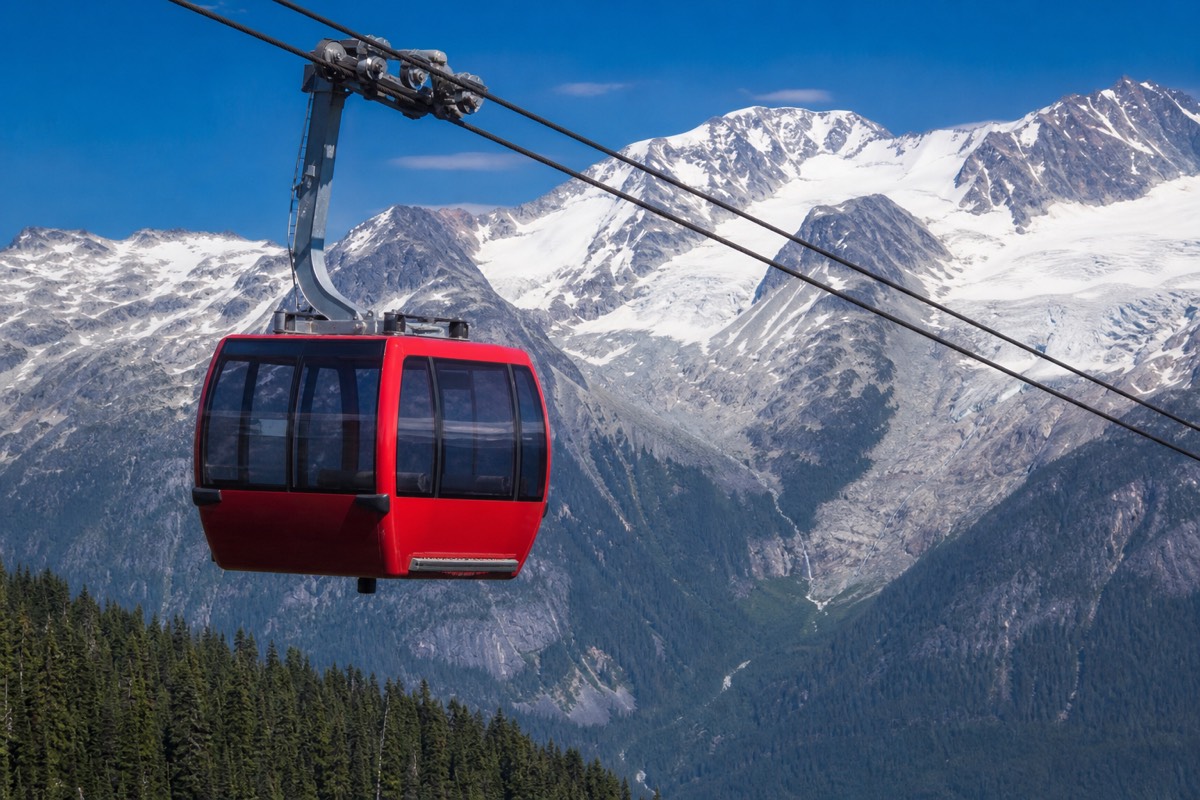
Around CA$105 for an adult ticket is enough to make anyone pause at the base of the mountain. The Peak 2 Peak Gondola is Whistler's headline attraction, it holds two world records, and it is also a real chunk of a day's budget. So the question is fair: does the ride actually earn it, or is it a tourist tax with a nice view?
The honest answer is that it is worth it for most visitors, on one condition that has nothing to do with the gondola and everything to do with the sky. What follows is who gets the most from it, who is better off keeping the fare, and the handful of small decisions that turn a quick novelty ride into a half-day people talk about for years.
Budget note: original price examples below are planning allowances, not current quotes. Compare the provider’s actual date, currency, party and included extras before relying on a figure.
Plan This Experience
Optional valley alternative: Audain offers an indoor museum visit when you decide to skip the alpine. This is museum admission, not a gondola ticket.
Peak 2 Peak Gondola: worth it for whom?
A quick read on who gets the most from the crossing; a clear sky is the tie-breaker.
So is it worth it?
Yes, for most people, if the weather is clear. On a bright day the ride into the alpine, the eleven-minute crossing over a 436-metre drop, and the walk to the Cloudraker Skybridge add up to one of the best half-days in British Columbia. On a low-cloud day you are paying full price to sit inside grey, and it is not worth it.
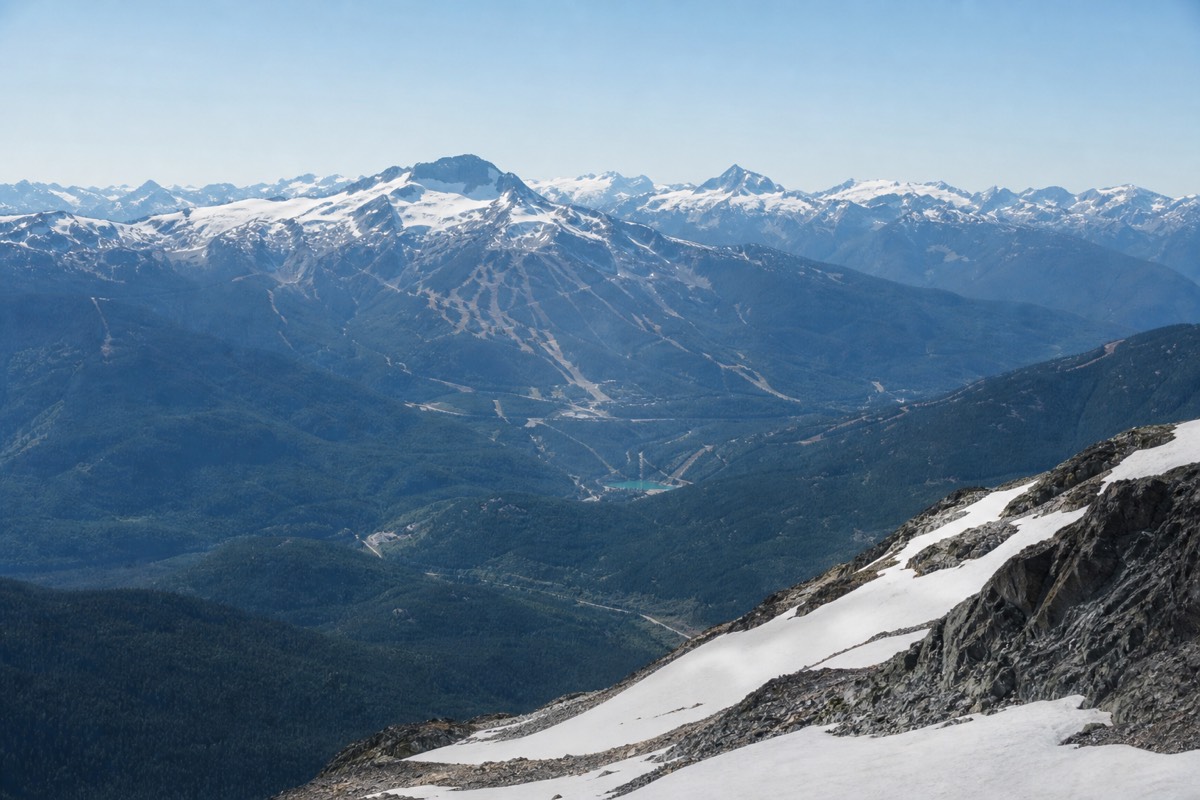
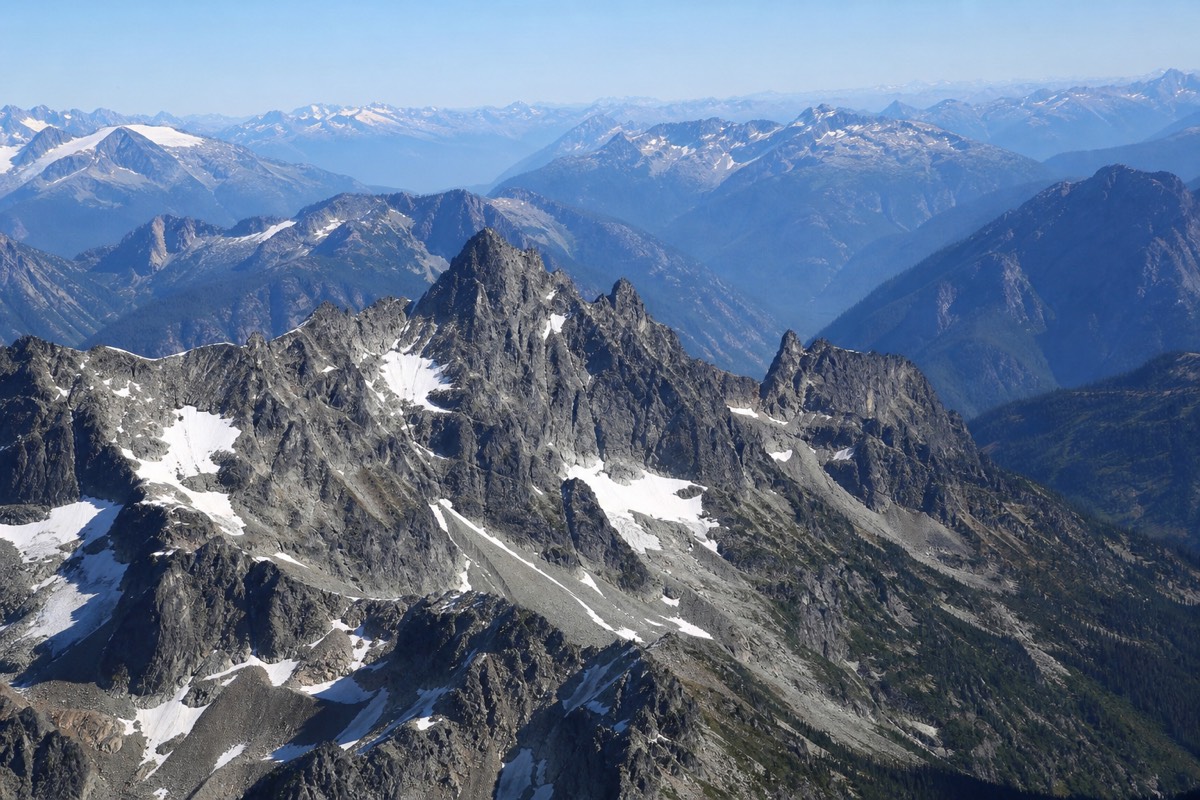
Weather is the whole equation. When the valley is clear, the crossing delivers exactly what the photos promise: hanging glaciers on the surrounding peaks, old-growth forest a quarter-mile straight down, and the black volcanic spire of the Black Tusk on the southern horizon. When cloud sits low in the valley, the record-setting drop simply vanishes and you ride across blind, the windows full of nothing but pale grey.
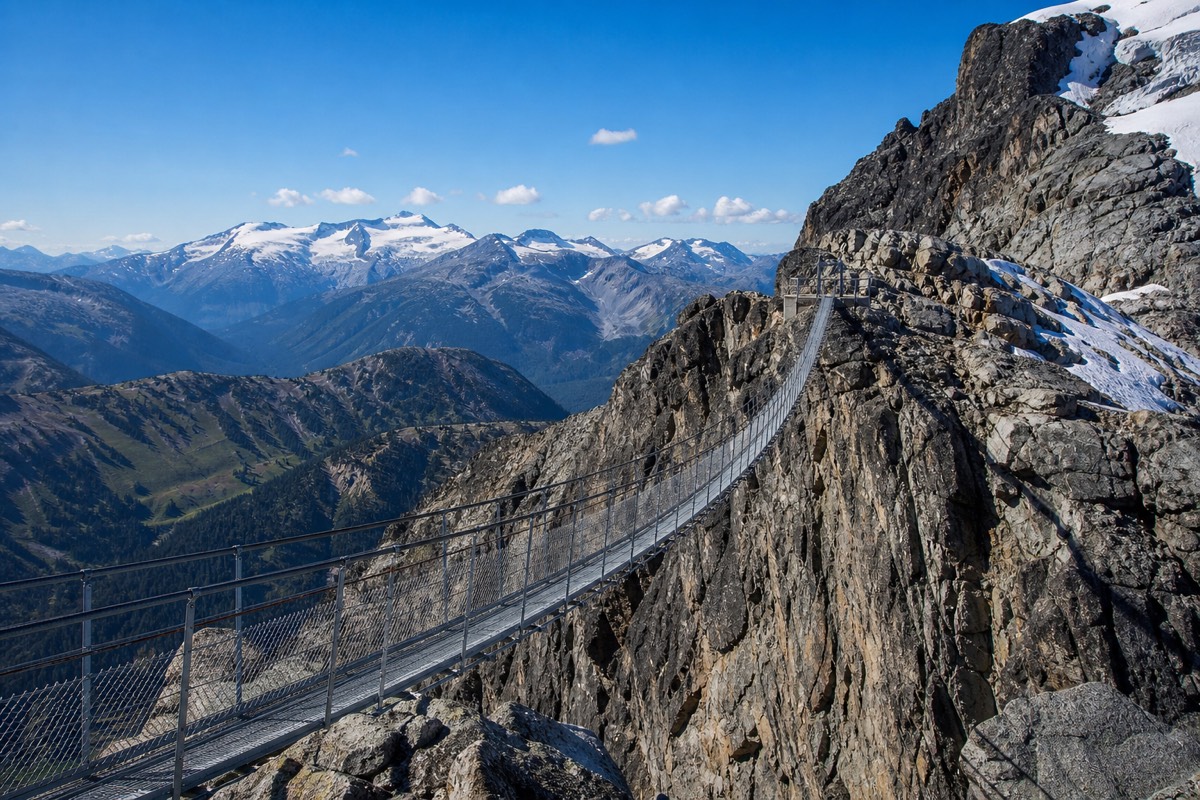
The good news is that the odds are yours to influence. Check the mountain forecast the night before, then go up in the morning before the afternoon build of valley cloud, and you tilt the day hard in your favour. The middle third of the crossing, where both terminals fall away and the cable hangs 436 metres over Fitzsimmons Creek is where a clear day pays off most and a grey one disappoints most. That single variable decides more about your verdict than price, crowds or anything else.
What actually decides whether it is worth it?
Two things settle it: the weather, and what you do once you are up there. Clear skies turn the crossing into the highlight of a trip, while low cloud erases the view entirely. Riders who treat the summit as the destination, not the cable car, come away happiest. Budget, mobility and a fear of heights all matter far less than those two.
Most people frame the decision around money, but the price barely moves the needle next to the sky and your own plan for the top. A clear morning with a walk to the Skybridge is a completely different day from a rushed there-and-back under cloud, at exactly the same fare. The table below shows what the weather does to every part of the ride.
| What you paid for | On a clear day | On a low-cloud day |
|---|---|---|
| The valley view | Glaciers, forest and the Black Tusk on the horizon | Flat white, the 436-metre drop disappears |
| The glass-bottom cabin | The signature thrill, valley floor in full view | Nothing to see straight down |
| The Cloudraker Skybridge up top | A 360-degree Coast Mountain sweep | Often closed for wind or fog |
| The overall verdict | Easily worth the fare | Money better spent at valley level |
Weather aside, the second lever is intent. Ride across and turn straight around and you have bought an eleven-minute novelty. Get off, walk a ridge, cross the Skybridge and eat with a view, and the same ticket becomes a full half-day. If you want to stack the seasonal odds of a clear window before you even arrive, our read on the best time to visit Whistler lays out the monthly pattern.
Who should ride it?
First-time visitors, non-skiers, families with young children who ride free, and anyone who wants high-alpine scenery without a climb. Older travellers and people recovering from an injury reach terrain that would otherwise take a hard hike, sitting down. If you are already skiing in winter, it is included with your lift ticket, so there is no reason not to.
If you have never seen Whistler from above, this is the fastest way to understand the place. It puts you in genuine alpine terrain in about twenty minutes, no hiking required, and both ends of the crossing have lodges, viewpoints and easy trails once you arrive. Families do especially well out of it, since tots ride free and the cabins keep small children entertained the whole way across. Photographers and view-chasers barely need convincing.
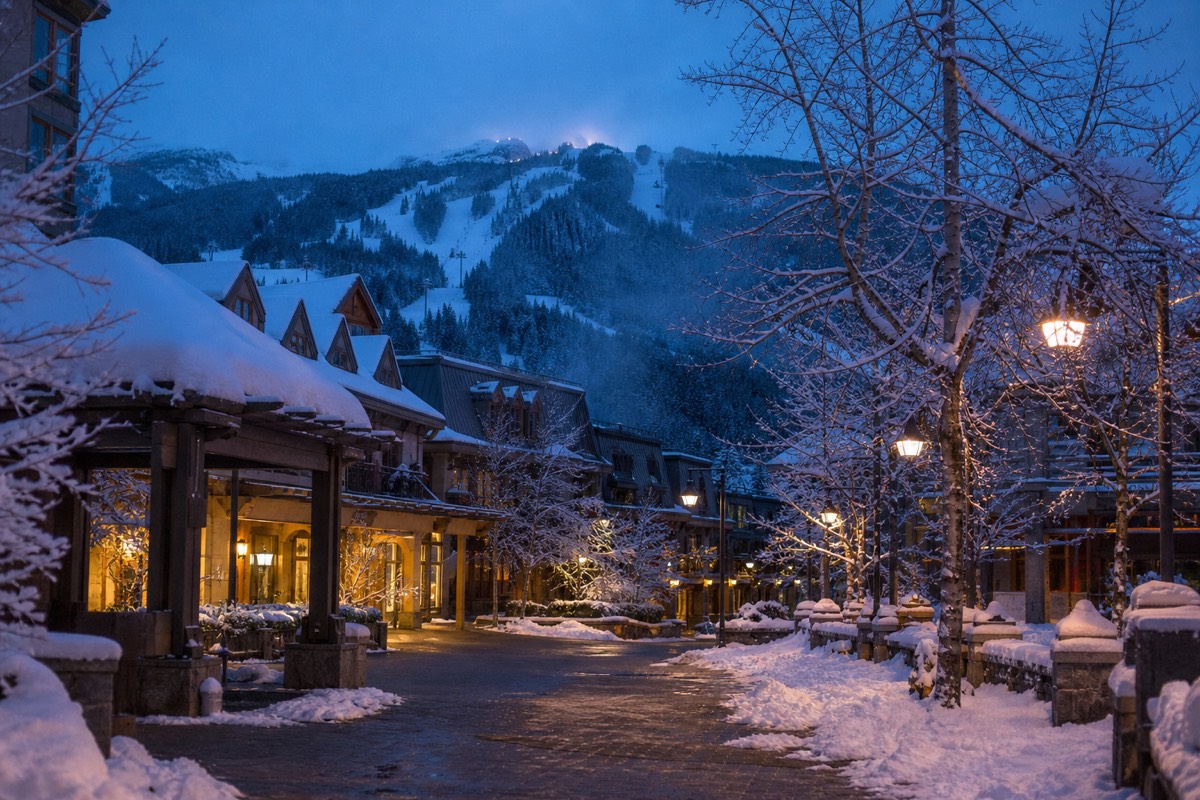
It also suits anyone who cannot manage a climb but still wants the high country. Grandparents, travellers with tired knees, and small kids all reach the same alpine that would otherwise demand a long slog uphill, and they reach it in comfort. The two records the lift holds, the longest unsupported span and the highest of its kind are the sort of detail that lands with children and older riders alike, and the story tends to stick longer than a roadside viewpoint would. A gondola day also folds neatly into a wider plan of visiting Whistler with kids.
Winter skiers get the best deal of anyone, because the crossing is already part of the lift network they have paid for. Riding across to lap Blackcomb and back is simply part of the mountain, at no additional cost. Even if you never planned to sightsee, one lap on a bluebird ski day is close to free entertainment with a world-record view thrown in.
Who can skip it?
Skip it if the forecast is socked-in cloud, if you have only a few hours in the valley on a tight budget, or if heights genuinely panic you. On a grey day the money goes further at valley level, where the scenery does not depend on being above the cloud, and there is plenty in Whistler that costs nothing at all.
There is no shame in giving it a miss. If your window in Whistler is short and the sky is grey, the ride becomes an expensive way to see fog, and the valley floor has more than enough to fill a day. If cable cars set off real vertigo, this is a long, high crossing, and a standard cabin only softens the exposure rather than removing it. Budget travellers can get a surprising amount of the same mountain feeling from the lakeshores, the Valley Trail and the parks down below.
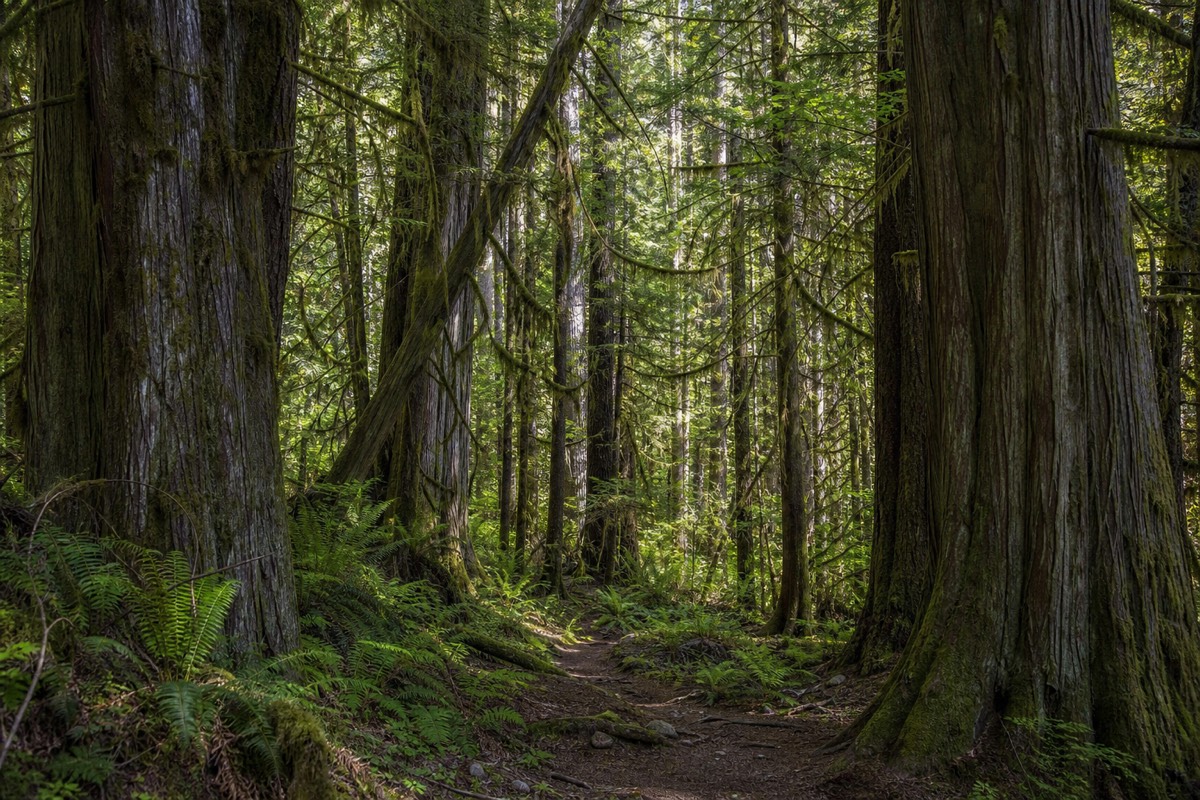
On a poor-weather day especially, weigh the fare against the free things to do in Whistler and the wider list of things to do in Whistler before you commit. Nothing about the gondola improves in cloud, and those alternatives hold up whatever the sky is doing.
A worked example: same gondola, two very different days
Picture two visitors on the same ticket. One rides up at 9am on a bluebird morning, walks the Skybridge, eats lunch on the terrace and crosses back at 2pm. The other pays the identical fare at 3pm under low cloud, rides across blind and turns straight around. Same price, wildly different value, and only one of them planned around the sky.
This is the clearest way to see why the fare feels like a bargain to some people and a rip-off to others. Nothing about the ticket changed between these two visitors. What changed was the timing and the plan for the top.
| The two riders | The clear-morning rider | The grey-afternoon rider |
|---|---|---|
| When they went up | 9am, forecast clear | 3pm, low valley cloud |
| What they did at the top | Skybridge, a ridge walk, lunch with a view | Crossed once and came straight down |
| Time on the mountain | About five hours | About forty minutes |
| How the fare felt | The best half-day of the trip | Wished they had waited a day |
The takeaway is not luck, it is planning. Go on the clear morning, treat the mountain-top as the reason you bought the ticket, and the value follows. Our complete Peak 2 Peak Gondola guide walks through the hours, the two-stage lift setup and what waits at each summit, so you can build the five-hour day rather than the forty-minute one.
Is it worth more in one season than another?
Summer is when the value peaks, because the top of the mountain opens up: the Peak Chair, the Cloudraker Skybridge and the alpine trails all run from mid-June. In winter the crossing is free with any lift ticket, so for skiers it is worth it by default. The shoulder weeks and the fall closure are the times to check what is actually running first.
The summer alpine season, running daily from June 13, 2026 through early September is the window when the ticket buys the most. That is when the Peak Express reaches the Skybridge and the ridge trails dry out, so a single fare can fill a whole day above the valley. Wildflower meadows from late June onward are a bonus most riders do not expect.
Winter flips the maths. From roughly late November to May the crossing is bundled into every lift ticket and season pass, so if you are already skiing or riding, the value question answers itself: it costs nothing more. Non-skiers can still buy a winter sightseeing ticket to ride as foot passengers over the snow. The weak windows are the spring ramp-up, when the alpine runs weekends only and the very top may still be closed, and the fall maintenance shutdown after early September, when a ride is simply not on offer. If you are torn between this and the gondola down the highway, our Peak 2 Peak versus the Sea to Sky Gondola comparison sorts out which fare goes further.
How do you make it worth the money?
Go on a clear morning, buy the sightseeing ticket that lets you stay up all day, and treat the top of the mountain as the destination. Add the Cloudraker Skybridge and an alpine walk, and the same fare turns a novelty crossing into a full half-day. Booking the advance rate more than seven days out trims the price too.
The people who feel shortchanged usually ride across and turn straight around. The ones who rave about it get off, walk a ridge trail, cross the Skybridge, eat lunch with a view and cross back later in the day. Same ticket, completely different value. If the price is the sticking point, the full cost breakdown covers the advance rate and the cheaper ways in, and there are a couple of genuinely no-charge angles in the times the ride is free.
A standard Peak 2 Peak sightseeing ticket covers a self-guided lift visit under its ticket conditions. Transport, meals and separately guided activities are additional costs; a lift ticket does not include hotel pickup or a guide.
Is it worth it next to Whistler's other splurges?
Against a helicopter glacier landing or a zipline circuit, the gondola is the cheapest way into high-alpine scenery and the gentlest on every age and fitness level. The pricier options buy adrenaline or a glacier landing you cannot get any other way. For a first visit, the crossing usually wins on value per dollar, then the bigger tours make sense as an add-on.
It helps to see the gondola in the context of what else Whistler sells. The crossing is the broad-appeal option that works for a four-year-old and an eighty-year-old on the same ticket. The zipline and the helicopter are narrower thrills: brilliant for the right person, wasted on someone who wanted a calm view. The table lines them up by who they suit.
| Experience | Rating and bookings | Best for | Rough cost band |
|---|---|---|---|
| Peak 2 Peak sightseeing, self-guided | The resort ticket | Every age, first-timers, non-hikers | Lower |
| Guided scenic gondola ride | 4.5, 89,000+ booked | Anyone who wants the day handled | Low to mid |
| Zipline circuit through the forest | 4.9, 14,000+ booked | Adrenaline over stillness | Mid |
| Glacier helicopter landing | 4.9, 1,500+ booked | A once-in-a-trip splurge | High |
If heights on a cable car are the deal-breaker rather than the appeal, a solid-cabin flight can be the better fit, and our overview of helicopter tours onto a glacier covers what that buys you. For most first visits, though, the crossing earns its place before any of the bigger-ticket adventures do.