Is There a Free Gondola Ride in Whistler?
The honest answer, plus the times a gondola ride really is free, and the mountain views that cost nothing at all.
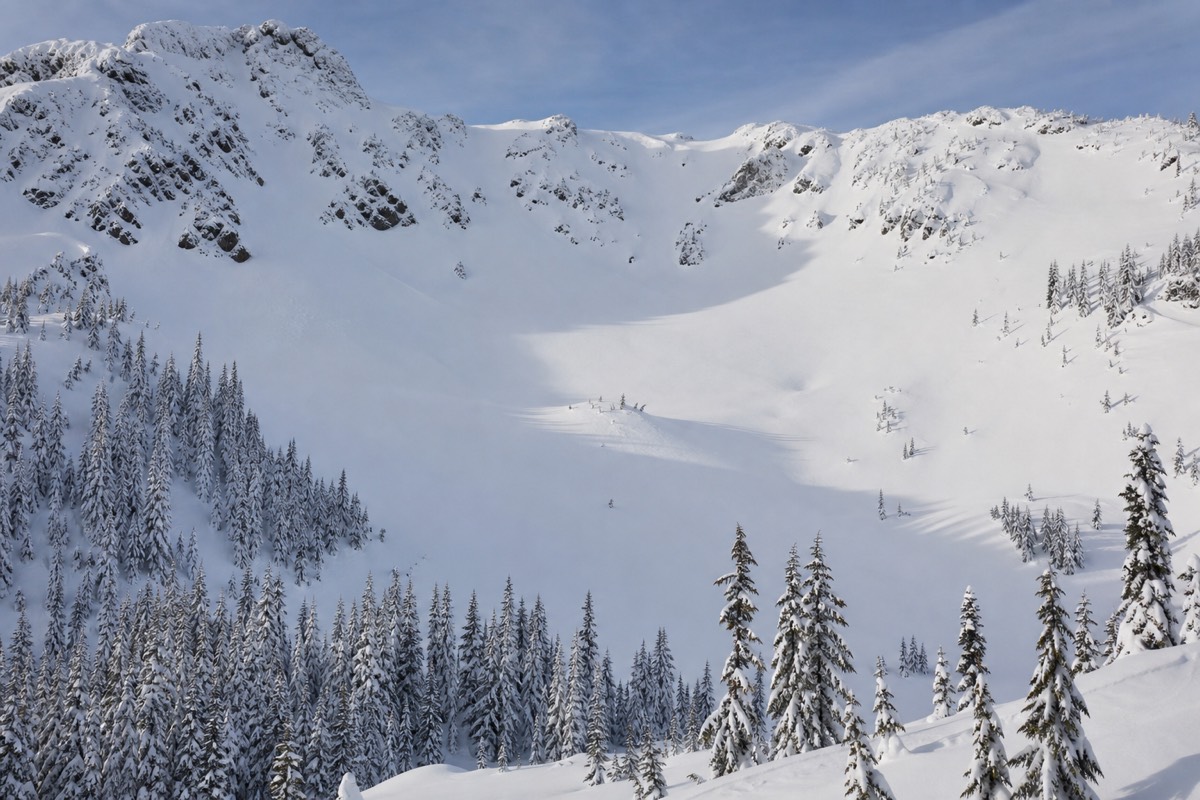
It is a reasonable thing to hope for. Whistler's gondolas are the main event, they are not cheap, and somewhere online you have probably read that there is a way to ride for free. So here is the straight version, with the real free options separated cleanly from the wishful ones.
The blunt part first: there is no free standalone summer sightseeing ride for a general visitor. The alpine ticket that includes the Peak 2 Peak runs around CA$105 for an adult. But there are genuine exceptions worth knowing, and a whole valley of scenery that costs nothing at all.
Budget note: original price examples below are planning allowances, not current quotes. Compare the provider’s actual date, currency, party and included extras before relying on a figure.
Plan This Experience
Optional paid alternative to the free walk: a guide and local transport for Train Wreck, the suspension bridge and waterfall. No gondola ticket is needed.
Free or paid: riding a Whistler gondola
The genuinely free options next to the ones that still need a ticket.
Is there a free gondola ride in Whistler?
Not as a standalone summer sightseeing trip. That needs an alpine ticket, around CA$105 for adults. But the crossing is free with any winter lift ticket, young children ride free year-round, and you can soak up the mountain scenery from the valley for nothing. Riding down after a hike is not officially free, whatever the forums say.
Most people asking this want a free summer sightseeing ride, and that one does not exist. The gondolas up Whistler and Blackcomb, and the Peak 2 Peak between them, all sit behind a ticket in summer. Where the word free genuinely applies is in winter, with children, and with the views you can get without riding at all. The team at Whistler BC Tours gets this question a lot, so here is every real option laid out, and the ones that are myths.
| Scenario | Free? | Notes |
|---|---|---|
| Winter crossing with a lift ticket or pass | Yes | Included, nothing extra to pay |
| Children under 7, any season | Yes | Ticket still issued at the window |
| Valley and lakeshore mountain views on foot | Yes | No ticket needed at all |
| Summer sightseeing ride | No | Around CA$105 for an adult |
| Riding down after a hike | Not officially | A foot-passenger download ticket is required |
| A standing locals-ride-free day | Not that we could verify | Residents use paid season passes |
When the gondola really is free: winter and kids
In winter, the Peak 2 Peak crossing is included at no extra charge with any lift ticket or season pass, so skiers and riders pay nothing on top. Year-round, children under 7 ride free, and infants under 3 are free with a ticket from the window. Those are the two dependable free rides, and both are real rather than loopholes.
If you are visiting in ski season and already hold a lift ticket, you can cross Peak 2 Peak as many times as you like without paying anything more. That is the closest thing to a free gondola ride an adult will find, and it is a genuine one. For families, the free tot fare means small children come along at no cost in any season, which quietly takes the sting out of a family outing.
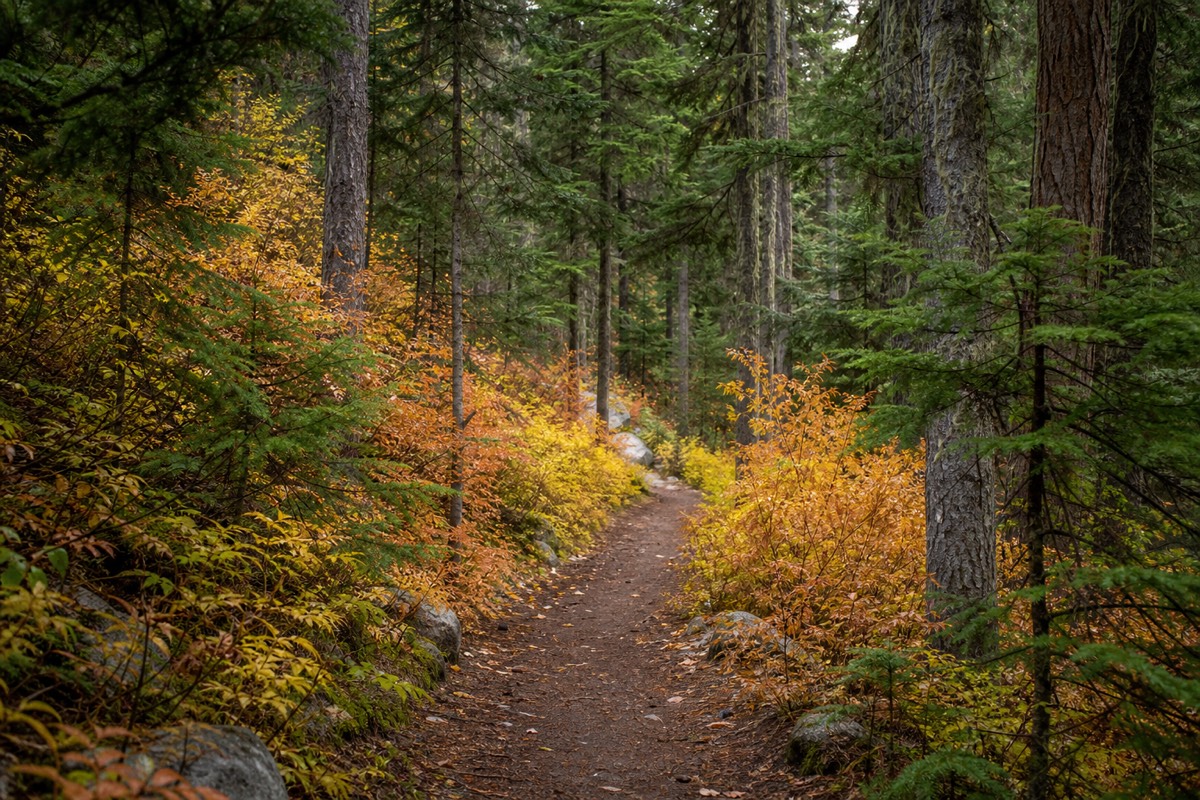
The distinction that trips people up is skiing versus sightseeing. In winter the crossing is free only because it is folded into a lift product you have already bought, not because the gondola itself is free-standing. A non-skier still pays for a winter foot-passenger sightseeing ticket to ride up and cross the snow. The full fare picture, summer and winter is in our Peak 2 Peak cost breakdown, so you can see exactly where the free line falls.
Free mountain views that cost nothing
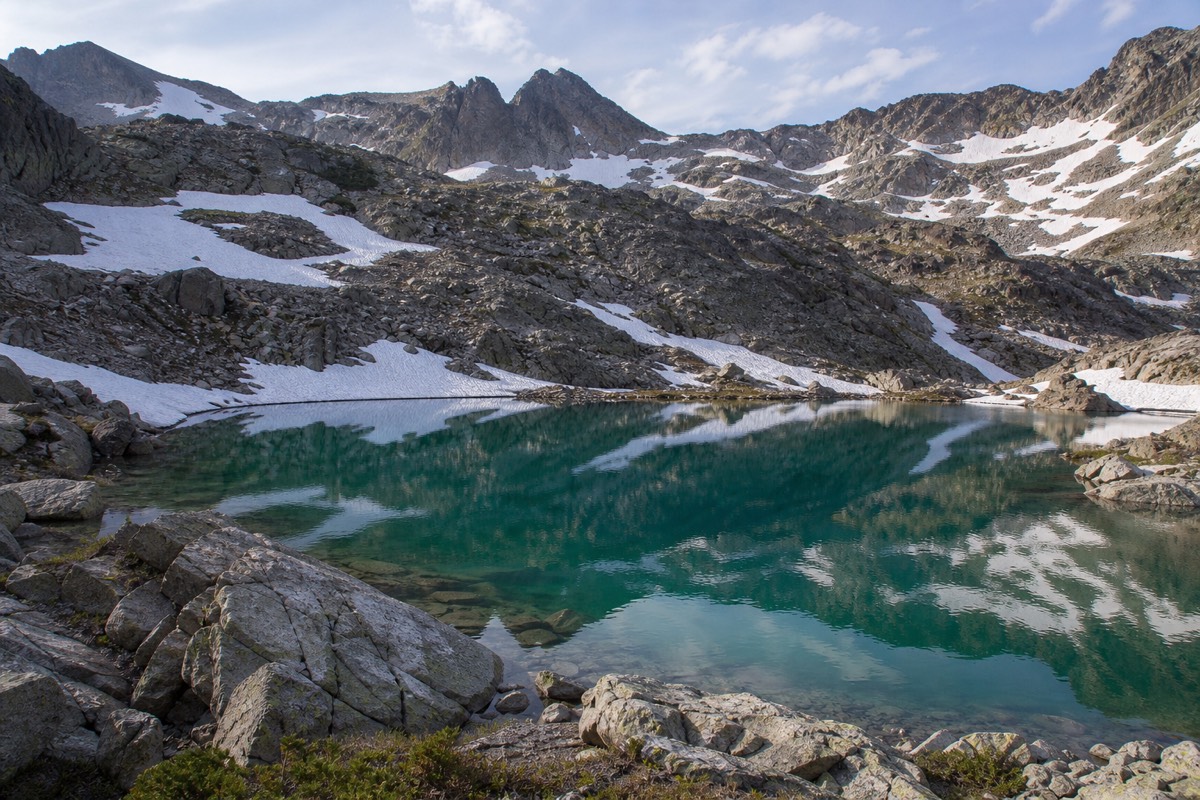
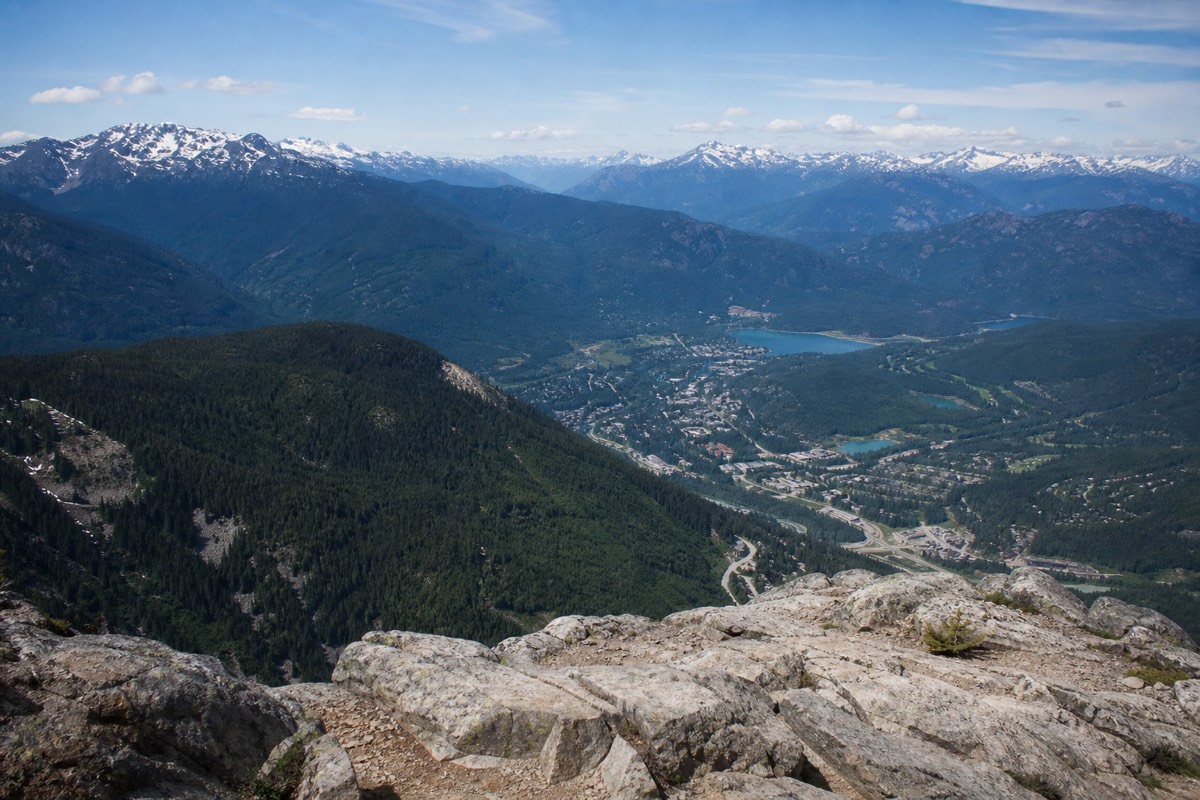
You do not need a gondola ticket to enjoy Whistler's scenery. From the village, the Valley Trail, and the lakeshores at Lost Lake and Rainbow Park, you get big mountain views and a clear look at the gondolas overhead for free. On a grey day, when the alpine is socked in anyway, this is the smarter way to see Whistler.
This is the part people forget. Whistler Village itself sits in a bowl of peaks, and the Valley Trail network, the lakes and the parks are all free to wander. You can watch the Peak 2 Peak cabins tracking across the sky from the base area, stand beneath the towers, and take in the same mountains that fill the gondola windows, all without a ticket. The best of these spots are a short, flat walk from the village.
| Spot | What you see | Cost |
|---|---|---|
| Whistler Village base | Peak 2 Peak cabins overhead and the surrounding peaks | Free |
| Lost Lake | Forest, water and mountain reflections near the village | Free |
| Rainbow Park on Alta Lake | Wide valley and mountain views across the water | Free |
| The Valley Trail network | Paved paths linking lakes, parks and viewpoints | Free |
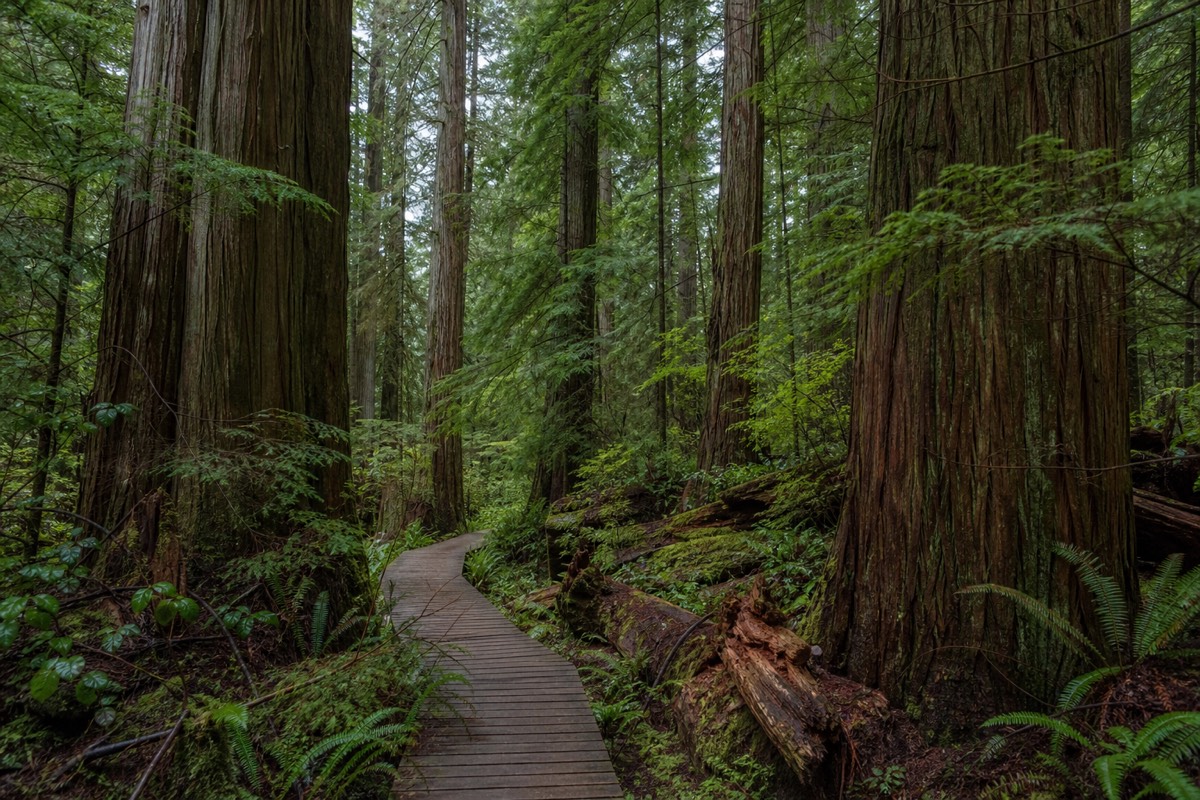
| Train Wreck Trail near Cheakamus | A forest suspension bridge and painted rail cars | Free |
There is more of this in our roundup of free things to do in Whistler and the wider list of things to do in Whistler. On a cloudy day especially, a lakeshore walk beats paying to sit inside the cloud, and it costs you nothing but the time.
A day in Whistler without a gondola ticket
You can fill a satisfying day on foot for nothing. A morning on the Valley Trail to Lost Lake, a picnic at Rainbow Park, an afternoon out to the Train Wreck bridge near Cheakamus, and an evening in the village watching the cabins cross overhead adds up to a full day of Whistler at zero ticket cost.
If the gondola fare does not fit the budget, or the forecast has closed the top anyway, a no-ticket day still delivers the mountains. The valley floor is where a lot of Whistler's best free scenery actually sits, and none of it depends on being above the cloud. The rough plan below is walkable and costs only what you bring to eat.
| Time | What you do | Cost |
|---|---|---|
| Morning | Walk the Valley Trail to Lost Lake for the reflections | Free |
| Midday | Picnic at Rainbow Park on Alta Lake | Free, bring your own |
| Afternoon | Follow the trail to the Train Wreck bridge near Cheakamus | Free |
| Evening | Stroll Whistler Village and watch the cabins cross overhead | Free |
Swap in a lakeshore swim in summer or a walk through the falling snow in winter, and the same free framework holds all year. If you decide the crossing is worth adding after all, our honest read on whether the gondola is worth the fare helps you pick the right day for it.
What about riding down after a hike?
You may have heard that hikers ride the gondola down for free. That is an informal practice, not an official policy. Officially, a foot-passenger download ticket is required, and staff can ask for it. Do not build your day around a free ride down that may not be offered when you reach the top.
Some visitors who hike up the mountain trails expect to ride the gondola down at no charge, and forum lore keeps that idea alive. The official position is that downloading, riding the gondola down as a foot passenger, needs a ticket like any other ride. In practice enforcement varies, but it is not something to count on, and a busy day is exactly when it is most likely to be checked.
If you plan to hike, budget for the download fare or choose a route that brings you back to the valley on foot. Treating the download as a paid extra rather than a freebie keeps the plan honest and avoids an awkward conversation at the top of the lift.
Are there free gondola days or promotions?
Not reliably. Whistler Blackcomb does not run a standing free-ride day for visitors, and any occasional community or opening promotion is the exception, not something to plan around. The dependable ways to pay nothing remain a winter lift ticket, the free child fare, and the whole valley on foot.
Every so often a resort opening weekend, a charity event or a seasonal promotion puts a discounted or free ride within reach, but these surface without much warning and are often still tied to a purchase, a pass or a specific date. They are a nice bonus if you happen to catch one, not a strategy for a trip booked months ahead.
The honest planning position is to assume you will pay the posted fare in summer and to treat any promotion you stumble on as a windfall. If keeping the cost down is the goal, the three verified free options do far more work than chasing a deal that may not run when you are in town. Anyone who wants the lowest guaranteed price should focus on the advance rate and the season rather than a hoped-for giveaway.
When is paying actually the better call?
When the sky is clear and you want the alpine itself, paying is the better call, because no free option puts you on top of the mountain. The free routes shine on grey days, on tight budgets, and with very young kids. Match the choice to the weather and the goal, not just to the price on the board.
Free and paid are not really competing for the same thing. The valley views, the lakeshores and the Valley Trail give you Whistler from below at no cost, and on a cloudy day that is genuinely the smarter spend, since the summit would be socked in anyway. What they cannot give you is the feeling of standing in high-alpine terrain with the valley dropping away beneath your feet, which is the one thing the fare actually buys.
So the honest rule is to read the forecast first. On a bluebird day, when the top is open and the ridges are clear, the ticket buys something the valley simply cannot match, and most visitors come away glad they paid it. On a grey day, or when the budget is tight, the free options do the job without the sting. If you are still choosing your dates, our read on the best time to visit Whistler lines up the months with the best odds of a clear window overhead.
What is the cheapest way to actually ride it?
If you must ride and want the lowest price, come in winter and pair the crossing with a ski or ride day, when it is included at no extra charge, or bring children under 7 who go free. Failing that, book the summer sightseeing rate more than seven days ahead for the advance price. The day-of window fare on a busy summer afternoon is the most expensive way in.
There is a rough ladder from cheapest to dearest. At the bottom sits the winter crossing bundled with a lift ticket you were buying anyway, which adds nothing to the bill. Next comes travelling with young children, whose free and reduced fares quietly shrink a family total. After that, the summer advance rate, booked more than a week out, beats the price you would pay standing at the window on the day.
The most expensive route is the one most rushed visitors take: rolling up to the base on a peak-season afternoon and buying at the window. If saving money is the point, plan the date, book early, and lean on whatever free or reduced fares your group qualifies for. None of that is a trick, it is just timing, and timing is the one lever that reliably moves the price.
Do locals ride free?
There is no general free-for-locals gondola day that we could verify. Whistler residents who ride often do so on paid season passes rather than a free program. If you live locally, a season pass is the route to unlimited access, not a standing free ride, though it works out far cheaper per visit than single tickets.
We looked for an official program that lets locals ride the gondola free and did not find one, so we will not claim it exists. What residents actually use is a season pass, which covers the winter lift network including Peak 2 Peak, alongside various resident and multi-day options that spread the cost. Those are paid products, not free rides, but they drop the per-visit price sharply for anyone who goes up often.
So the free options are real but specific: winter with a lift ticket, kids under 7, and the whole valley on foot. For everything else, the ticket is part of the deal, and our full Peak 2 Peak Gondola guide covers what you get for it. If you are choosing between Whistler's gondola and the one down the highway, our Peak 2 Peak versus the Sea to Sky Gondola comparison helps you spend the fare wisely.