How Much Does the Peak 2 Peak Gondola Cost? (2026)
Here is what the Peak 2 Peak Gondola costs right now, in Canadian dollars, by age, plus the ways to pay less or ride it free.
Prices at the base of the mountain are not always easy to find before you arrive, and they move every season. So here is the current picture for the Peak 2 Peak Gondola in plain Canadian dollars, along with what the ticket actually buys, why you will see more than one price quoted, and where the cheaper routes are.
One thing to settle first: the summer price is for a sightseeing ticket, not a single ride. It covers the whole day on the mountain, not just one crossing, which changes how the number should feel.
Peak 2 Peak Gondola summer prices, at a glance
Approximate summer rates in Canadian dollars; confirm the exact figure on the live listing for your date.
How much does the Peak 2 Peak Gondola cost?
In summer, the alpine sightseeing ticket that includes Peak 2 Peak runs around CA$105 for an adult, near CA$95 for youth and seniors, about CA$55 for children 7 to 12, and free for kids under 7. Treat these current Canadian-dollar rates as a planning allowance, and confirm the figure on the live listing before you go, because they change each season.
The table below shows the tiers as they currently stand. Read them as a planning allowance rather than a locked quote, because Whistler Blackcomb resets the sightseeing rate each season and the exact price appears at checkout on the live listing. Every figure here is in Canadian dollars.
| Ticket | Age | Summer price (CAD, approx) |
|---|---|---|
| Adult | 19 to 64 | around $105 |
| Youth | 13 to 18 | around $95 |
| Senior | 65 and over | around $95 |
| Child | 7 to 12 | around $55 |
| Tot | 3 to 6 | Free |
| Infant | Under 3 | Free, ticket issued at the window |
If you are booking from abroad, the live listing converts to your own currency at checkout, so you see the real charge in your home currency before you pay. That conversion is where a number that looked like one figure in Canadian dollars becomes another on your card, so glance at both before you commit.
Why do you see more than one price quoted?
Because there is more than one summer ticket. A basic sightseeing crossing covers one ride up, unlimited Peak 2 Peak, and one ride down. The fuller alpine experience adds the Peak Chair to the Cloudraker Skybridge and the summit trails, and costs a little more. In winter, the crossing rides free with any lift ticket, so no separate price applies at all.
The spread you find online is not an error, it is different products. If you only want to cross the valley and come back, the lower fare covers it. If you want the full day, including the suspension bridge and the ridge trails at the very top, the higher fare is the one most sightseers actually buy. The table sorts out what each one covers.
| Ticket | What it covers | Notes |
|---|---|---|
| Basic sightseeing crossing | Up one gondola, unlimited Peak 2 Peak, one ride down | The lowest summer fare |
| Full alpine experience | Adds the Peak Chair to the Cloudraker Skybridge and the alpine trails | The rate most sightseers pay, around the figures above |
| Winter lift ticket or pass | Peak 2 Peak included with any day of skiing or riding | Nothing extra to pay |
Whichever you choose, the exact tier names and prices sit on the live listing and shift each season, so treat the figures here as a guide to the shape of the pricing rather than a promise. The full detail of what waits at the top of each ticket is in our complete Peak 2 Peak Gondola guide.
What does the ticket include?
The summer sightseeing ticket is an all-day pass. It covers the ride up one base gondola, unlimited Peak 2 Peak crossings, the alpine trail network, the ride back down, and, on the fuller ticket, the Peak Chair up to the Cloudraker Skybridge and Raven's Eye. It is not a single one-way fare, which is why the price makes more sense spread across a day.
That is what makes the number easier to swallow. For one fee you can ride up, cross to Blackcomb, walk a trail, cross back, go up to the Skybridge, have lunch and come down whenever you like. Food, drinks and any guided activities cost extra, but the lifts and the summit attractions are all in. Spread across three or four hours on the mountain, the per-hour cost starts to look far more reasonable than a single-ride ticket would.
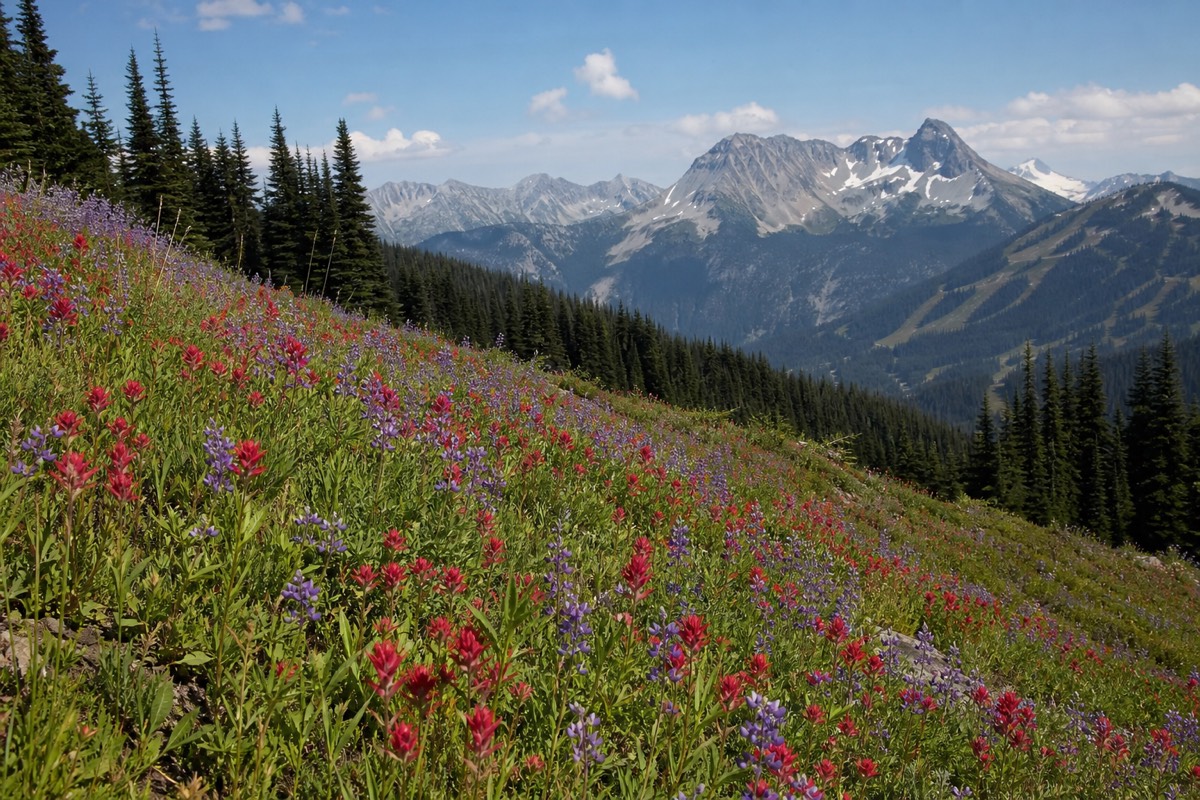
The one thing the ticket does not do is guarantee the view. Cloud can sit in the valley and close the very top for wind, and there are no weather refunds, so the timing advice in the sections below is really cost advice in disguise: a clear morning is how you get full value from the fare you paid.
What else should you budget for beyond the ticket?
The gondola fare is not the whole spend. Add paid village parking, food and drink on the mountain, and any guided activity or bike rental. A realistic day budget sits well above the ticket alone, so plan for parking and a mountain lunch on top of the fares in the tables above, and pack water and layers to avoid buying them up high.
The ticket gets you up and across, but a day on the mountain carries a few predictable extras. Parking in the Whistler Village day lots is paid, and the closest lots fill early on a peak-season morning, so either arrive early or budget for a short walk from a cheaper lot further out. Getting the base logistics sorted before you go, including how you are getting up from Vancouver, saves both time and money at the start of the day.
Food is the other line item. Meals at the Roundhouse and Rendezvous lodges cost more than the same plate down in the village, which is normal for a mountain-top kitchen, so a packed lunch and a full water bottle keep the day cheaper. Layers matter too: the alpine runs noticeably cooler than the valley, and buying a fleece at the top is a pricey way to fix being cold.
Then there are the add-ons that turn a ride into a full day: a summer bike rental, a guided walk, or a meal booked as an experience rather than a grab-and-go. None of these are large on their own, but together they can rival the fare itself, so it is better to fold them into the plan than to meet them by surprise at the till. A useful habit is to set a rough day budget, ticket plus parking plus one mountain meal, and treat anything under it as a win.
What does a family pay?
Less than you might fear, because young children are cheap or free. Two adults, one child of 7 to 12, and a tot under 7 come to roughly CA$265 as a planning allowance, since the tot rides free and the older child pays a reduced rate. That is a rare bargain among major mountain resorts, where family outings usually punish the wallet.
Families are the group that does best on price here. With tots free and older children discounted, a couple with two young kids can get the whole family into the alpine for close to the cost of the two adult tickets alone. The worked example below uses the current planning-allowance rates in Canadian dollars.
| Who | Age band | Planning allowance (CAD) |
|---|---|---|
| Two adults | 19 to 64 | about $210, two at $105 each |
| One child | 7 to 12 | about $55 |
| One tot | Under 7 | Free, ticket at the window |
| Family total | All four | Around $265, before food and extras |
Add lunch on the mountain and a few snacks and the real spend climbs, but the lift portion stays modest for a family. If you are planning the trip around children more broadly, our guide to visiting Whistler with kids lines up the outings that pair well with a gondola day.
When do kids ride free, and who pays less?
Children under 7 ride free, which makes this an unusually affordable outing for families with small kids. Youth and seniors pay a reduced rate near CA$95, and children 7 to 12 come in around CA$55. In winter, anyone holding a lift ticket or season pass crosses at no extra charge, skier or foot passenger alike.
The discounts stack up in a family's favour. Beyond the free tot fare, the youth and senior rates take a useful slice off the adult price, so a multi-generation group is rarely paying full fare across the board. There is no secret discount code to hunt for, and the value comes from the age bands and the season rather than a promo.
One honest caveat: infants under 3 still need a ticket issued at the window even though it is free, so do not skip the desk assuming a baby travels invisibly. Building that quick stop into your plan saves a backtrack at the base.
How much is it in winter?
For skiers and riders, nothing extra: the Peak 2 Peak crossing is bundled into every winter lift ticket and season pass, so you can lap it as many times as you like at no added cost. Non-skiers can buy a winter foot-passenger sightseeing ticket to ride and cross over the snow, which is a separate, paid product.
Winter is where the word cheap genuinely applies for anyone already on the hill. If you have paid for a day of skiing or riding, the crossing is simply part of the lift network, and riding across to lap Blackcomb costs you only the time. It is the closest thing to a free gondola ride most adults will find, and it is a real one rather than a loophole.
If you are not skiing but still want the snowy alpine, the winter sightseeing ticket lets you ride up and cross as a foot passenger, with the same records and the same views under a coat of snow. The exact winter foot-passenger rate sits on the live listing and is worth checking against the summer figure before you decide which season to come.
How do you pay less, or ride it free?
Three levers: book the sightseeing rate more than seven days ahead for the advance price, ride in winter when it is included with any lift ticket, or lean on the free and reduced child fares. There is no discount-code trick, but timing and season genuinely change what you pay, sometimes to nothing.
The advance rate rewards planning, so if your dates are set, buy early rather than at the window, where the day-of price can run higher. If you are visiting in ski season and already hold a lift ticket, the crossing costs nothing extra, which is the single biggest saving available to an adult. And if you are travelling with young children, the free tot fare quietly takes a real bite out of the family total.
For the genuinely no-charge angles, including the mountain views you can enjoy without any ticket at all, see whether there is a free gondola ride in Whistler. And if you are still weighing whether the spend is justified in the first place, our honest take on whether the Peak 2 Peak Gondola is worth it puts the fare against what you actually get.
Buying it yourself versus a packaged ride
A standard Peak 2 Peak sightseeing ticket covers a self-guided lift visit under its ticket conditions. Transport, meals and separately guided activities are additional costs; a lift ticket does not include hotel pickup or a guide.
A standard Peak 2 Peak sightseeing ticket covers a self-guided lift visit under its ticket conditions. Transport, meals and separately guided activities are additional costs; a lift ticket does not include hotel pickup or a guide.
It costs more than the bare ticket, and for a lot of first-time visitors the convenience is worth the difference, especially on a trip where a cloudy morning could otherwise waste the fare. If you would rather compare it with the other big gondola in the corridor before deciding where the money goes, our look at how it compares with the Sea to Sky Gondola weighs the two.