Why Is Whistler So Famous?
An Olympic host, the biggest ski resort on the continent, a record-breaking gondola and a pedestrian village explain the name.
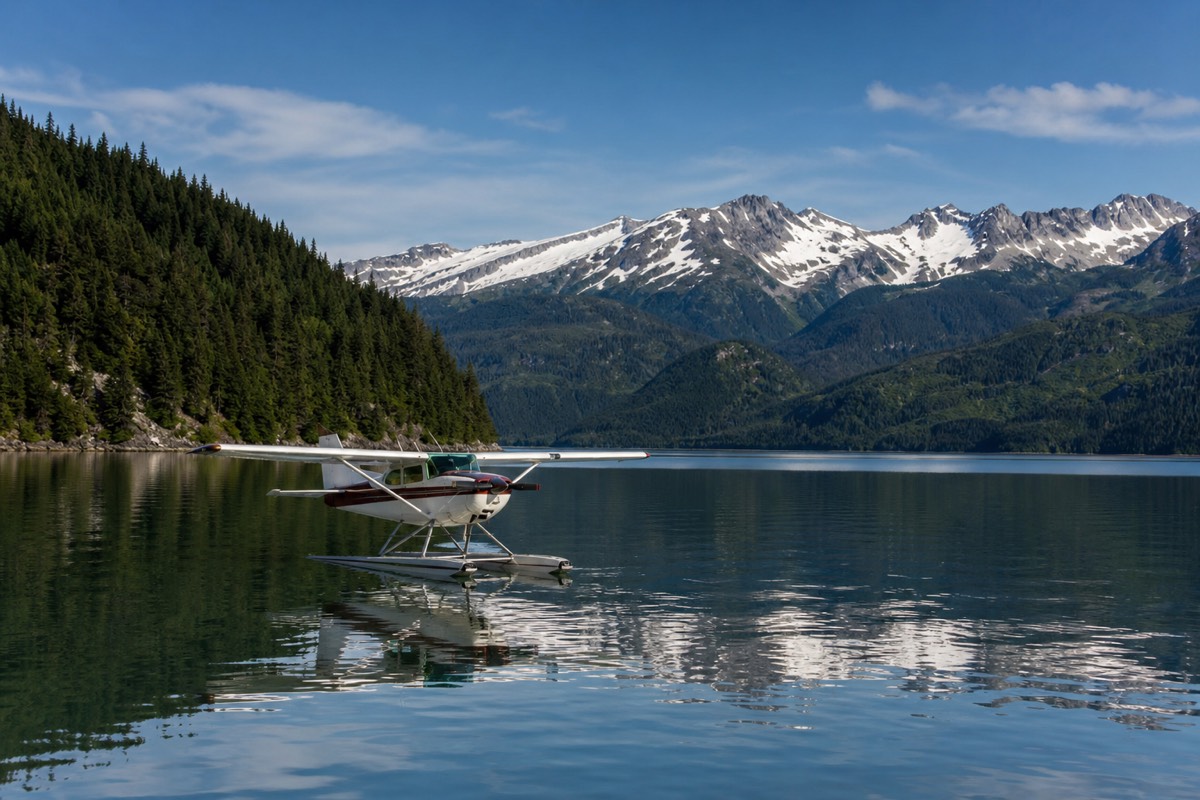
Ask ten people why they have heard of Whistler and you will get the same handful of answers: the Olympics, the skiing, that gondola strung between two mountains. All three are real, and they stack on top of a village that most visitors remember as much as the slopes. Whistler earned its reputation the hard way, one record and one event at a time.
The name carries weight far beyond British Columbia, and not by accident. A single mountain opened here in 1966 with an Olympic dream attached, a second mountain followed, and the two grew into the largest ski resort on the continent. Along the way came a world-beating gondola and a Winter Games. The reputation is the sum of those pieces.
See The Places Behind The Reputation
Link Olympic venues, Creekside and the valley’s early history on a guided sightseeing loop. The three-hour route adds local context and vehicle transport.
At a glance: the milestones that made Whistler famous
A young resort by mountain standards: one hill in 1966 grew into the continent's largest by 2010.
Why is Whistler so famous?
Whistler is famous for four overlapping reasons: it co-hosted the 2010 Winter Olympics, it is home to Whistler Blackcomb, North America's largest ski resort, it runs the record-setting Peak 2 Peak Gondola between its two mountains, and it wraps all of it in a car-free pedestrian village that draws visitors year-round.
No single fact carries the reputation. It is the combination: a genuine Olympic pedigree, sheer scale on the mountains, a piece of world-beating engineering, and a walkable core that keeps people coming back in summer as well as winter. Each of those is worth unpacking, because the details are what actually impress once you arrive.
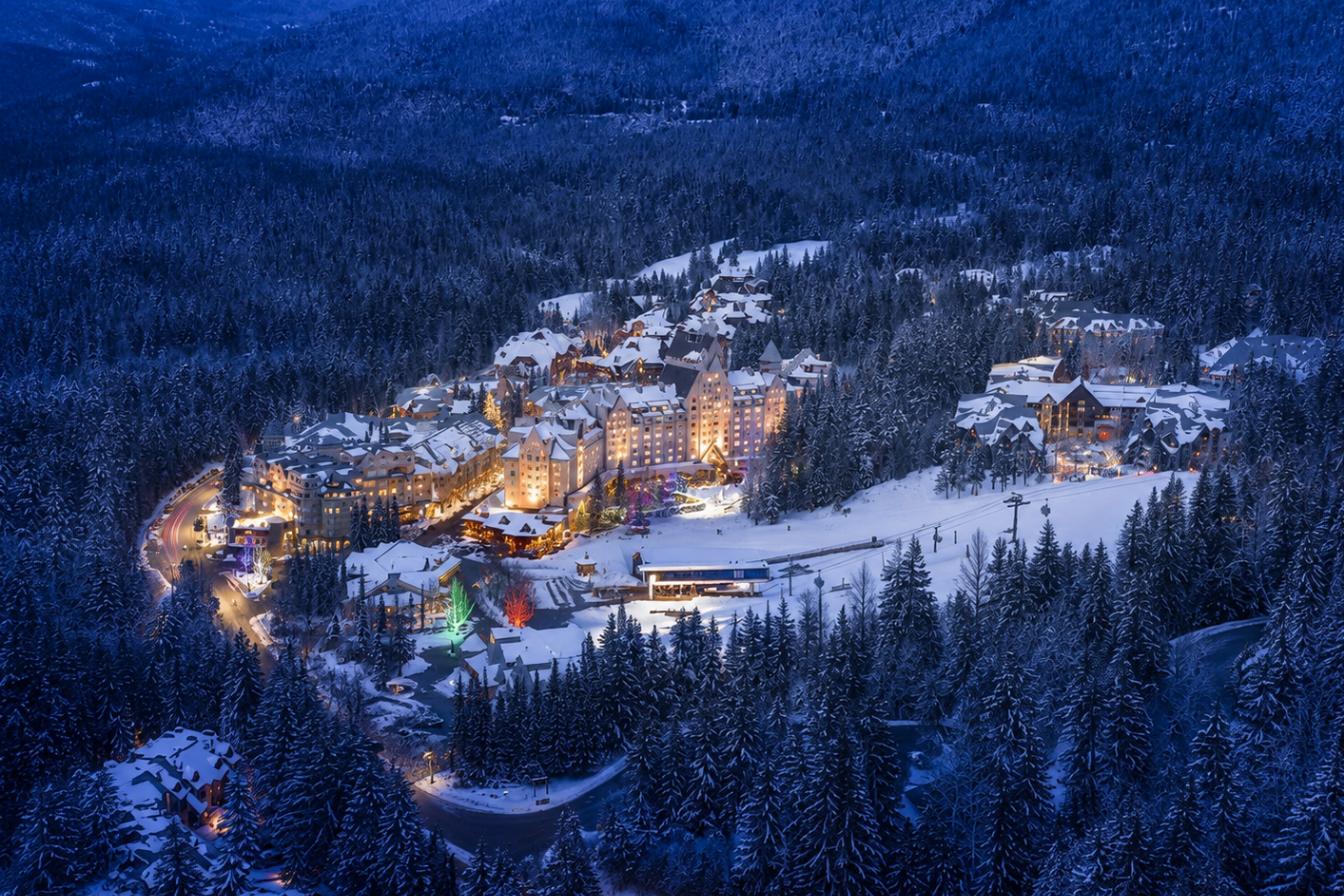
| What makes Whistler famous | The detail |
|---|---|
| 2010 Winter Olympics | Co-hosted with Vancouver: alpine, sliding and Nordic venues |
| Largest ski resort in North America | About 8,171 acres and 200+ runs across two mountains |
| Peak 2 Peak Gondola | Two Guinness World Records when it opened in 2008 |
| Car-free pedestrian village | A walkable core of patios, plazas and festivals |
| A true four-season resort | Skiing in winter, alpine hiking and biking in summer |
Put together, they make Whistler a rare thing: a resort that is genuinely famous in every season and for more than one reason. The list of the full range of things to do in Whistler shows how those threads connect on the ground, from the Olympic venues to the summer alpine.
Even the name has a story. The mountain was called London Mountain until the mid-1960s, when it was renamed for the hoary marmots whose shrill whistle carries across the alpine in summer. That small piece of local colour is the kind of thing visitors remember, and it suits a place whose reputation rests as much on character as on statistics.
What did Whistler host at the 2010 Winter Olympics?
Whistler co-hosted the 2010 Winter Olympics with Vancouver, staging the alpine skiing at Whistler Creekside, the sliding sports of bobsleigh, luge and skeleton at the Whistler Sliding Centre, and the Nordic events at Whistler Olympic Park in the Callaghan Valley. The Games put the resort in front of a global audience.
| Venue | Where | Events held |
|---|---|---|
| Whistler Creekside | Whistler Mountain | Alpine skiing: downhill, slalom, super-G, combined |
| Whistler Sliding Centre | Blackcomb | Bobsleigh, luge and skeleton |
| Whistler Olympic Park | Callaghan Valley | Cross-country skiing, ski jumping, Nordic combined, biathlon |
Those venues did not vanish after the closing ceremony. The Whistler Sliding Centre, the fastest sliding track in the world, still runs public bobsleigh and skeleton in season, letting anyone brave enough feel the g-forces the athletes did. Whistler Olympic Park in the Callaghan keeps its cross-country trails and ski jumps open to visitors, and the former athletes' village at Cheakamus Crossing became a permanent residential neighbourhood.
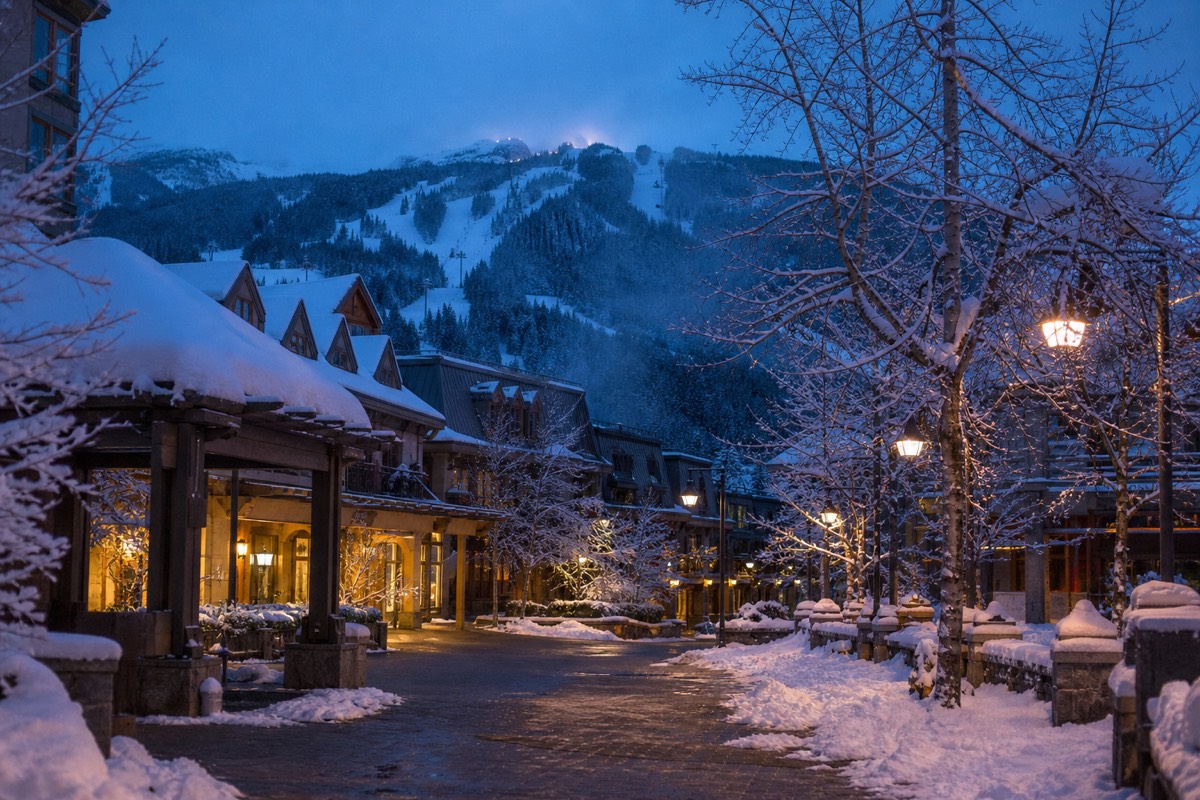
The Olympic rings in the Village plaza remain one of the most photographed spots in town, and the legacy runs deeper than the medals. A generation of visitors first saw Whistler on television during those two weeks in February 2010, and the resort has traded on that global introduction ever since. For where these venues sit relative to everything else, our roundup of Whistler's must-see sights maps them out.
The scale of the moment is worth holding onto. The Games ran from February 12 to 28, 2010, with the sliding and Nordic medals decided on Whistler's own venues while the world watched. Hotels that had traded mainly on winter powder suddenly had a global summer audience too, and visitor numbers climbed in the years that followed. For a resort barely four decades into its life at that point, the timing could hardly have been better.
How big is Whistler Blackcomb?
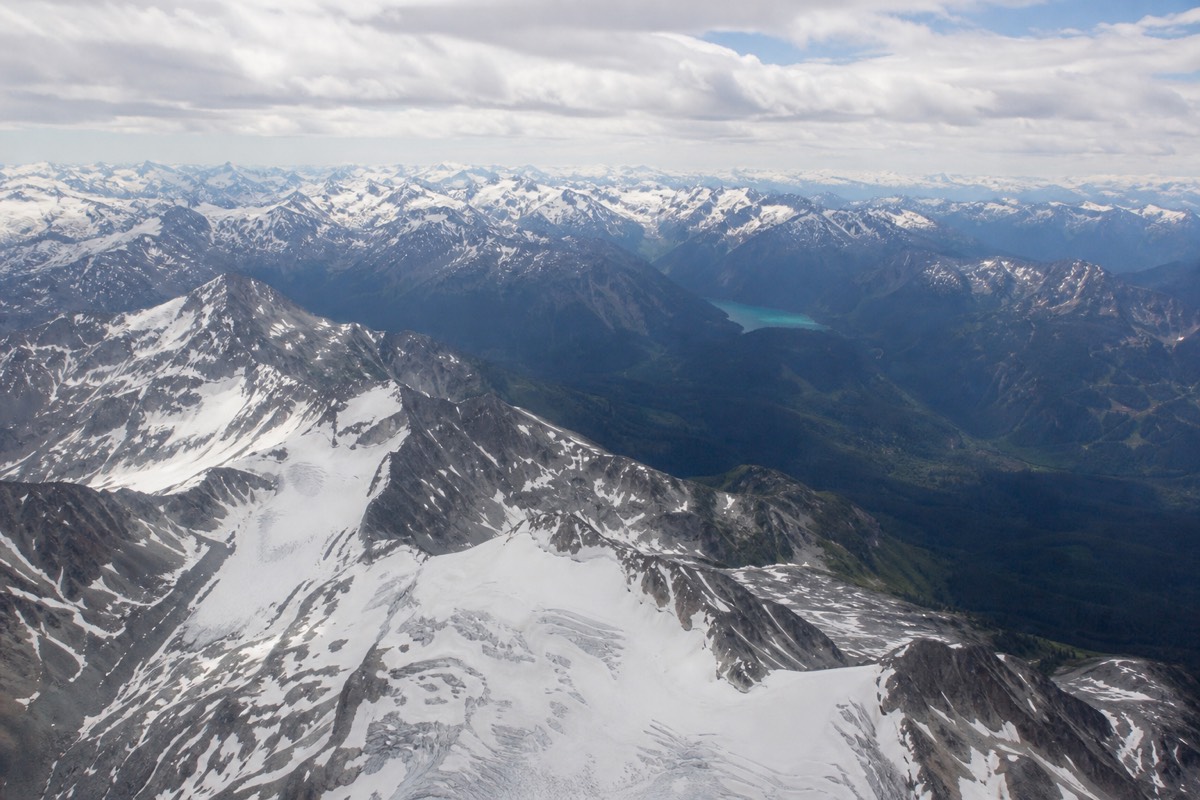
Whistler Blackcomb is the largest ski resort in North America, covering roughly 8,171 acres of terrain across two mountains, Whistler and Blackcomb, with more than 200 marked runs. The Peak 2 Peak Gondola links the two summits, so a single pass gives you both mountains in one visit.
Scale is the thing that surprises first-timers. You could ski or hike here for a week and not repeat yourself, from mellow groomers to steep alpine bowls and glades. Runs range from wide beginner greens near the base to double-black chutes off the peak, and the longest descent, Peak to Creek on Whistler Mountain runs about eleven kilometres from top to bottom.
| Whistler Blackcomb | Figure |
|---|---|
| Skiable terrain | about 8,171 acres (largest in North America) |
| Marked runs | more than 200 |
| Mountains | 2, linked by the Peak 2 Peak Gondola |
| Longest run | about 11 km (Peak to Creek) |
| Glaciers | 3 |
| Winter season | late November to around mid-May |
The variety is as striking as the size. One ticket covers wide beginner greens, mogul fields, tree runs, alpine bowls above the treeline and three glaciers that hold snow into summer. Peak to Creek alone drops about eleven kilometres from the top of Whistler Mountain to the valley, a descent long enough that many skiers stop partway just to rest their legs. That range, not any single trail is what earns the resort its top billing on the continent.
The season on the snow runs roughly late November into May, one of the longest in North America, and the sheer footprint is why the resort keeps topping reader polls year after year. The record-setting crossing at the centre of it all gets its own explainer in our Peak 2 Peak Gondola guide.
What records does the Peak 2 Peak Gondola hold?
When it opened in 2008, the Peak 2 Peak Gondola set two Guinness World Records: the longest unsupported span between cable-car towers, at just over three kilometres, and one of the highest lifts of its kind at 436 metres above the valley floor. The full crossing runs 4.4 km and takes about eleven minutes.
A German cable car later beat the span record in 2017, but the Peak 2 Peak remains an engineering landmark and the headline ride of the resort, glass-bottom cabins included. Riding suspended between two mountains, with glaciers below and no tower in sight for kilometres is the kind of thing that ends up on a bucket list.
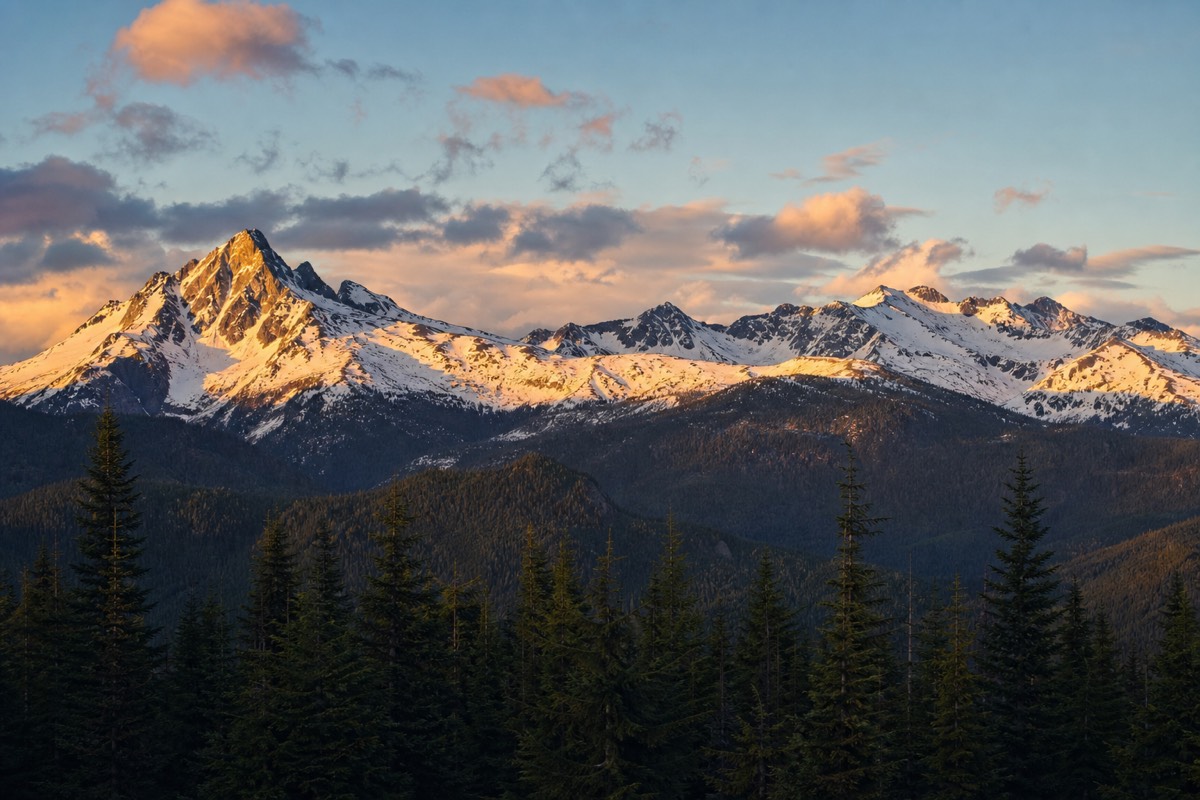
It also changed how the resort works. Before 2008, Whistler and Blackcomb were two separate mountains you had to descend to swap between. The gondola stitched them into one connected playground at altitude, which is a big part of why a single visit now feels twice as large. If you would rather compare it against the coastal alternative down the highway, we lay out the two gondolas side by side.
The cabins are part of the draw. Twenty-eight of them run the line, two fitted with glass floors that put the drop directly under your feet, and the whole system was built by the Austrian lift-maker Doppelmayr. On a clear crossing you can pick out the Black Tusk, the Fitzsimmons Range and the glaciers that feed the valley, all in the eleven minutes it takes to reach the far station. Non-skiers ride it mostly in the summer sightseeing season, when a single pass also opens the alpine trails on both mountains.
How did Whistler grow from one mountain to a world resort?
Whistler Mountain opened in 1966, built around a bid to host the Winter Olympics. Blackcomb opened next door in 1980, and the two rival mountains merged into a single resort in 1997. The Peak 2 Peak Gondola joined them at altitude in 2008, and the 2010 Winter Olympics sealed the global reputation.
The story is younger than most people assume. What was then London Mountain was renamed Whistler and strung with its first lifts in 1966, chasing an Olympic dream that would not pay off for another 44 years. Blackcomb arrived in 1980, and through the 1980s and 1990s the two mountains competed hard for skiers, each racing to build better lifts and runs.
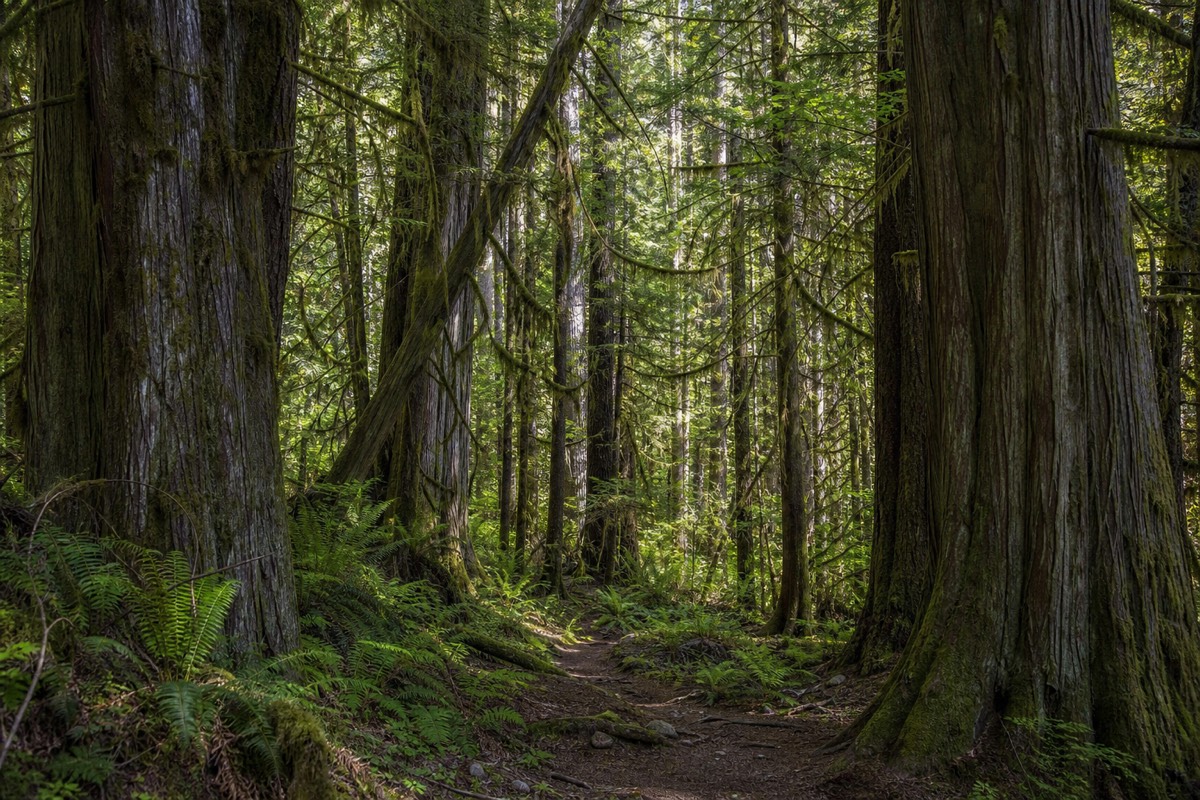
The 1997 merger ended the rivalry and created the mega-resort, and the Peak 2 Peak physically tied the two peaks together eleven years later. The Olympics were the final piece, turning a well-known ski hill into a household name. The timeline below traces the milestones, and the arc explains why a resort this famous is also, by mountain standards, remarkably new.
The village grew alongside the lifts. Rather than sprawl along the highway, Whistler was planned in the late 1970s as a compact, car-free core you could walk end to end, a decision that still shapes how the resort feels today. That deliberate design is a quiet reason the place caught on, since a genuinely pedestrian village is a rare thing among North American mountain towns.
What makes Whistler a year-round destination?
Whistler is not just a winter resort. Summer brings alpine hiking, one of the world's best-known mountain bike parks, gondola sightseeing and lake days, while the pedestrian Village stays lively in every season with dining, festivals and patios. That four-season pull is a big part of why the name travels so far.
Once the snow melts, the mountains reopen for hiking and downhill biking, and the valley trails fill with walkers and paddlers. The Whistler Mountain Bike Park pulls riders from across the globe every summer, and the Crankworx festival plus the free outdoor concerts keep the plazas busy long after the lifts stop for the day. There is a whole other trip to be had here in what to do in a Whistler summer.
The events calendar keeps the town in the conversation all year. The World Ski and Snowboard Festival closes out the winter each April with music and competitions, Crankworx owns August, and the Whistler Film Festival brings a December crowd that has nothing to do with the slopes. There is almost always something on, which is part of why the name keeps circulating well beyond ski season.
Winter still draws the biggest crowds, though, and backcountry outings like a guided snowmobile run through the backcountry need a date and an eligibility check before you arrange the day. Whatever month you land in, the car-free Village ties it together. Every tour featured on this page is arranged through Whistler BC Tours and the operators we book with, so a first-timer can build a day without stitching it together alone.
Is Whistler famous for anything besides skiing?
Yes. Whistler is a summer mountain-biking capital, home to the Crankworx festival and the lift-served Bike Park. It also draws visitors for the Audain Art Museum and the Squamish Lil'wat Cultural Centre, a lively dining and festival calendar, and the quiet backcountry of Garibaldi Provincial Park on its doorstep.
Strip away the snow and there is still a lot of reputation left. The Bike Park turned Whistler into a global name in gravity riding, and Crankworx each August is to mountain biking what a major is to golf. The village itself punches above its size for food and culture, with an art museum focused on British Columbia's artists and a cultural centre telling the story of the two First Nations whose shared territory this is.
Then there is the scenery that never needed a resort at all: the glaciers, the turquoise lakes and the volcanic spire of the Black Tusk in the park next door. Plenty of that sits off the beaten track, which is where our guide to Whistler hidden gems worth the drive comes in. Fame here rests on more than one season and more than one sport.
The backcountry seals it. Garibaldi Provincial Park begins minutes from the Village, with the turquoise sheet of Garibaldi Lake, the Black Tusk and a web of alpine trails that draw hikers who never set foot on a chairlift. Add the string of valley lakes, the old-growth cedars and the roadside waterfalls, and Whistler's reputation starts to look less like a marketing win and more like a fair reflection of the ground it sits on.