What Not to Miss in Whistler
If you only do a handful of things in Whistler, make them these. The sights, rides and moments that define the valley for first-time visitors, in one honest shortlist.
Whistler gives you more than any single trip can hold, so the real skill is knowing what earns your limited time. Strip away the noise and a short list of experiences defines the place, the ones that first-timers regret skipping and locals still rate. Here is that shortlist, with a clear-eyed word on what you can safely leave for next time.
Budget note: original price examples below are planning allowances, not current quotes. Compare the provider’s actual date, currency, party and included extras before relying on a figure.
Plan This Experience
A guided forest zipline adventure, with helmet and harness included.
At a glance: the Whistler highlights, ranked
The five experiences first-timers regret skipping, in the order most worth your time.
What should you not miss in Whistler?
Do not miss the Peak 2 Peak Gondola and the alpine on top, at least one aerial thrill like a zipline or a heli flight, a wander through the pedestrian Village and Olympic Plaza, and an hour at the lakes or the Train Wreck Trail. Together they capture the mountains, the adrenaline and the calm that make Whistler.
The valley's must-do list is short because a few experiences carry most of the magic. The table sorts them by what you get and when to go, so you can build a first trip that hits the essentials without trying to do everything.
| Highlight | Why it matters | Best season |
|---|---|---|
| Peak 2 Peak Gondola and alpine | Record-setting crossing, huge views, easy access | Summer for the alpine, year-round to ride |
| Zipline or heli flight | The valley's signature adrenaline and scale | Ziplines year-round, heli best in clear weather |
| Whistler Village and Olympic Plaza | The car-free heart of the resort | Year-round |
| Lakes and Train Wreck Trail | The quieter, free side of Whistler | Summer to swim, snow-free to hike |
Get these four right and the trip works. For the full menu behind the shortlist, see our roundup of things to do in Whistler, and for the walks and beaches that cost nothing, our free things to do in Whistler.
The Peak 2 Peak Gondola and the alpine
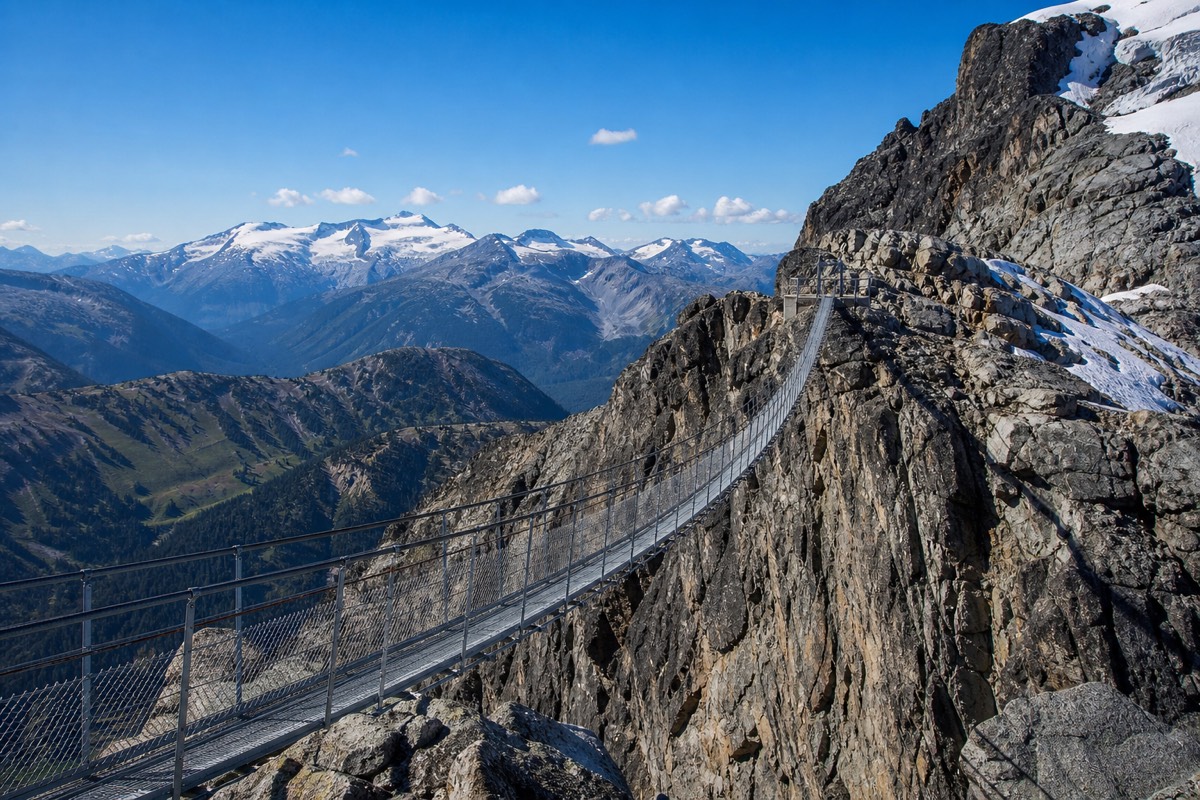
The Peak 2 Peak Gondola is Whistler's signature ride, a record-setting 4.4 km crossing suspended high between Whistler and Blackcomb, with glass-bottom cabins and vast views. In summer it opens the alpine, including the Cloudraker Skybridge, and a scenic ride is .
If you do one thing in Whistler, do this. The gondola links the two mountains on a span that holds records for length and height between towers, and the glass-bottom cabins turn the crossing into a genuine event. In summer, the Summer Alpine Experience adds the top of Whistler Mountain, where the 130-metre Cloudraker Skybridge and the Raven's Eye platform reward you with a walk among the peaks, open roughly mid-June to mid-September. The scenic ride is listed around $100, so check the live listing for current and family pricing. Our full Peak 2 Peak Gondola guide covers tickets and timing if this is your priority.
A few numbers explain the fuss. The crossing spans about 4.4 km between the two mountains and hangs as high as 436 metres above the valley floor, and a rotating pair of glass-bottom cabins turns the ride into a game of spotting the ground straight below. The alpine on top is the summer bonus, with the Cloudraker Skybridge and the Raven's Eye platform reached by the Peak Express chair, so set aside half a day if you plan to walk up there. Dress warmer than the village suggests, since the summit runs five to ten degrees cooler.
Flying over the mountains: ziplines and heli tours
Whistler's aerial thrills range from accessible to bucket-list. Ziplines send you gliding over rivers and old-growth forest, an experience, while a glacier helicopter flight may land on a remote mountain site . Pick one to feel the valley's scale from the air.
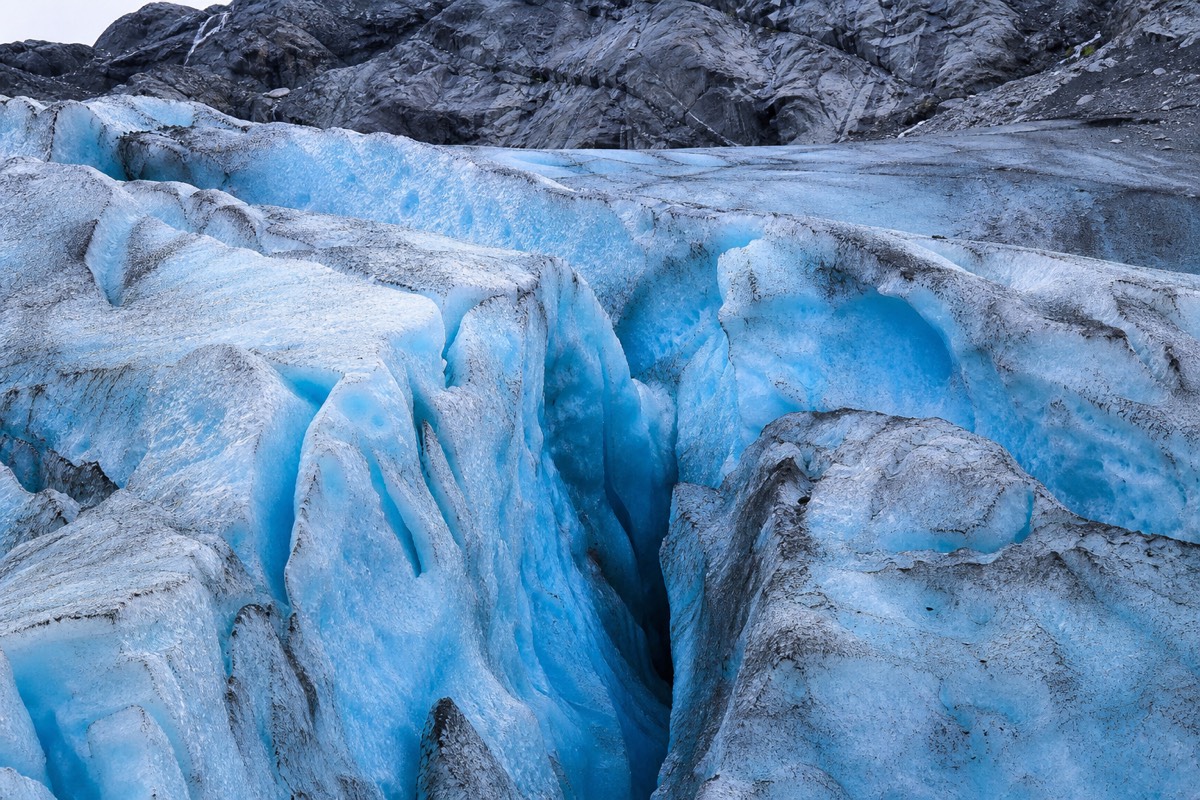
Nothing conveys Whistler's size like leaving the ground. Ziplines strung across the Fitzsimmons Valley let you fly over white-water and ancient firs on gravity-fed lines with automatic braking, so you keep your eyes on the view rather than the mechanics, and kids as young as nine can ride with an older guest, weight limits permitting. At the other end, a glacier heli tour lifts you over 12,000-year-old ice for a landing on a snow-swept ridge, a short but unforgettable flight best booked early in your trip to allow a weather buffer. Either one turns a good trip into a memorable one.
The two sit at opposite ends of the budget. A zipline runs around $125, sending you over the Fitzsimmons Valley on gravity-fed lines with automatic braking. A glacier heli flight runs around $324, trading length for awe with a landing on high ice you could reach no other way. Book the flight for early in your stay, so a cloudy day still leaves a clear-weather window to reschedule into, and treat the zipline as the reliable all-weather thrill of the pair.
Whistler Village and Olympic Plaza
The pedestrian Village is Whistler's beating heart, a car-free maze of shops, patios and buskers that flows into Olympic Plaza at its north end. It is free to wander, lively day and night, and the easiest way to feel the resort's atmosphere between bigger adventures, in any season.
For all the mountain drama, a lot of Whistler's charm is at ground level. The Village Stroll winds car-free past cafes, galleries and street performers, and it is made for aimless wandering with an ice cream or a pint on a patio. Olympic Plaza, built for the 2010 Games, anchors the north end with lawns, a playground and free summer concerts, flipping to an outdoor skating loop in winter. It costs nothing to soak up, and it is the natural place to regroup between the big-ticket activities.
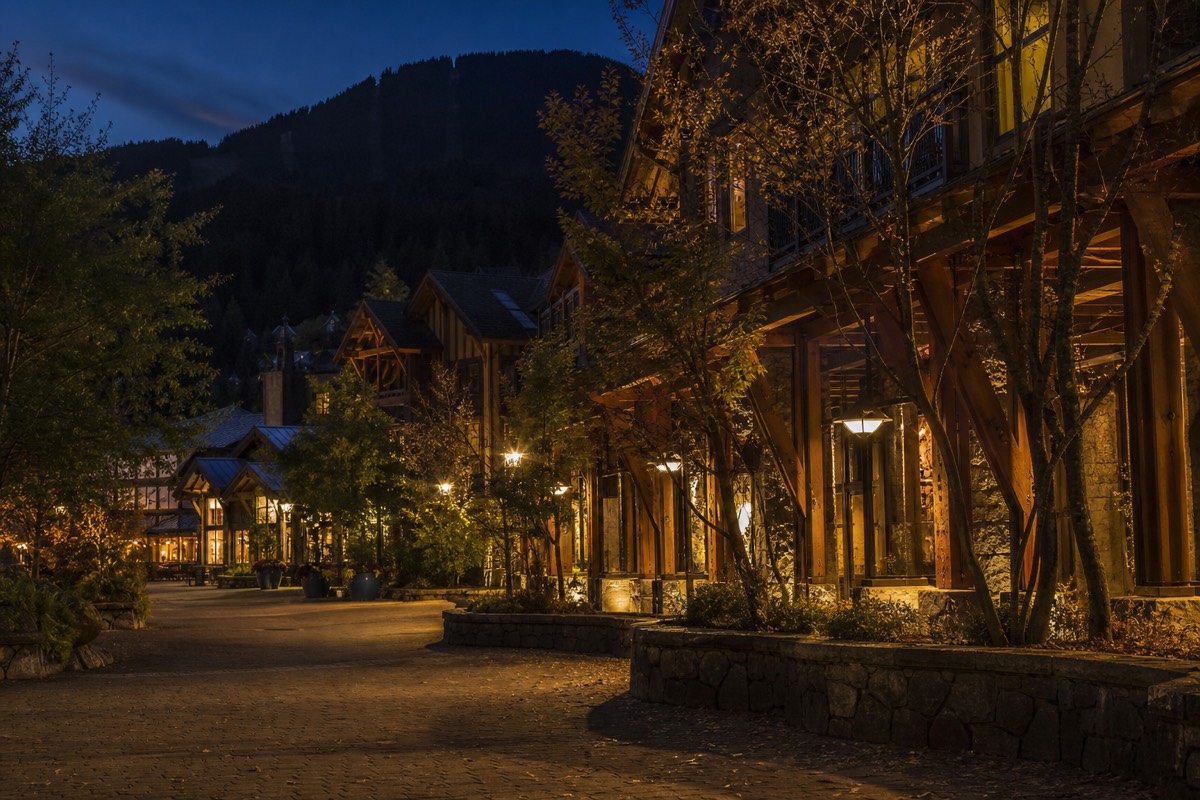
It also solves the evening. After dark the stroll fills with diners and street performers, and through winter the Fire and Ice Show throws skiers and riders through a ring of flame at Skier's Plaza on Sunday nights, free to watch. Olympic Plaza's outdoor rink adds skating in the cold months, free when you bring your own blades, so even a rest day between adventures has a no-cost highlight built in. The whole zone crosses in minutes on foot, which is why most visitors pass through it more than once a day.
The lakes and the Train Wreck Trail
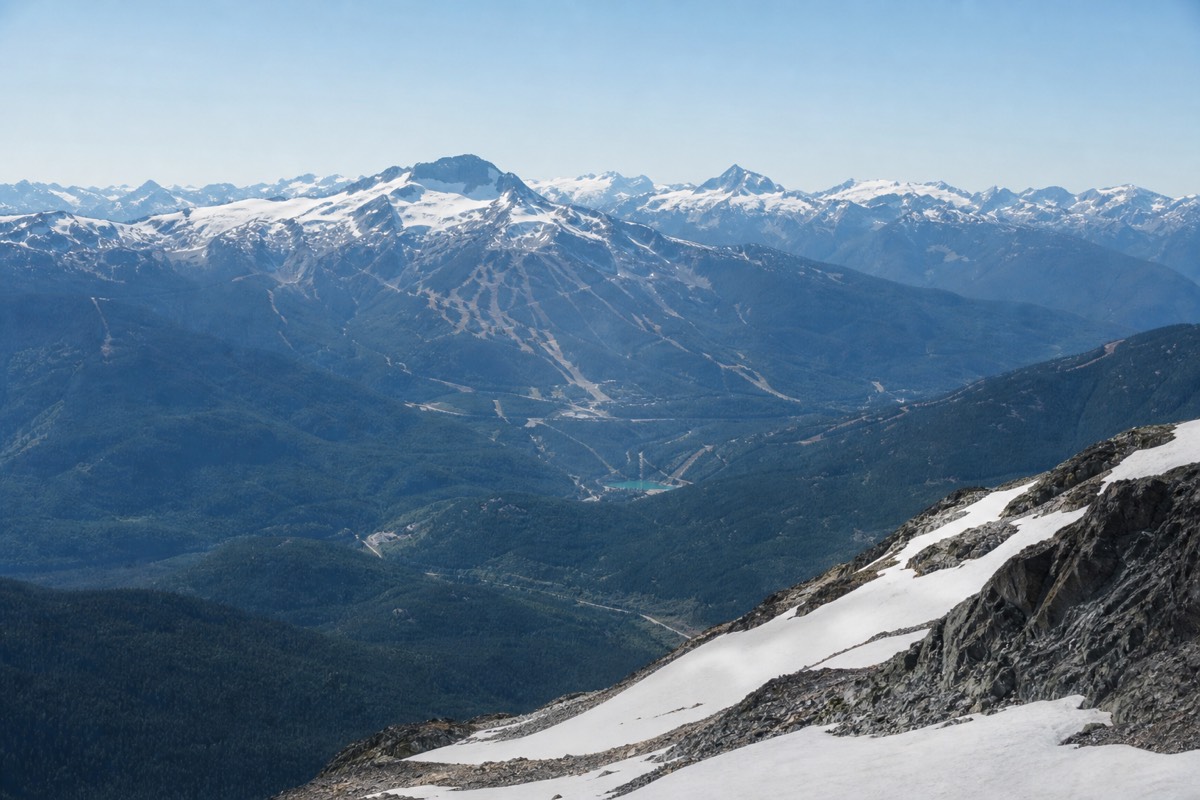
Do not leave without seeing the quiet side of Whistler. The Alta Lake and Lost Lake beaches offer free summer swimming with mountain backdrops, and the flat 2 km Train Wreck Trail leads over a river suspension bridge to graffiti-covered boxcars. Both are free, easy, and a welcome counterweight to the adrenaline.
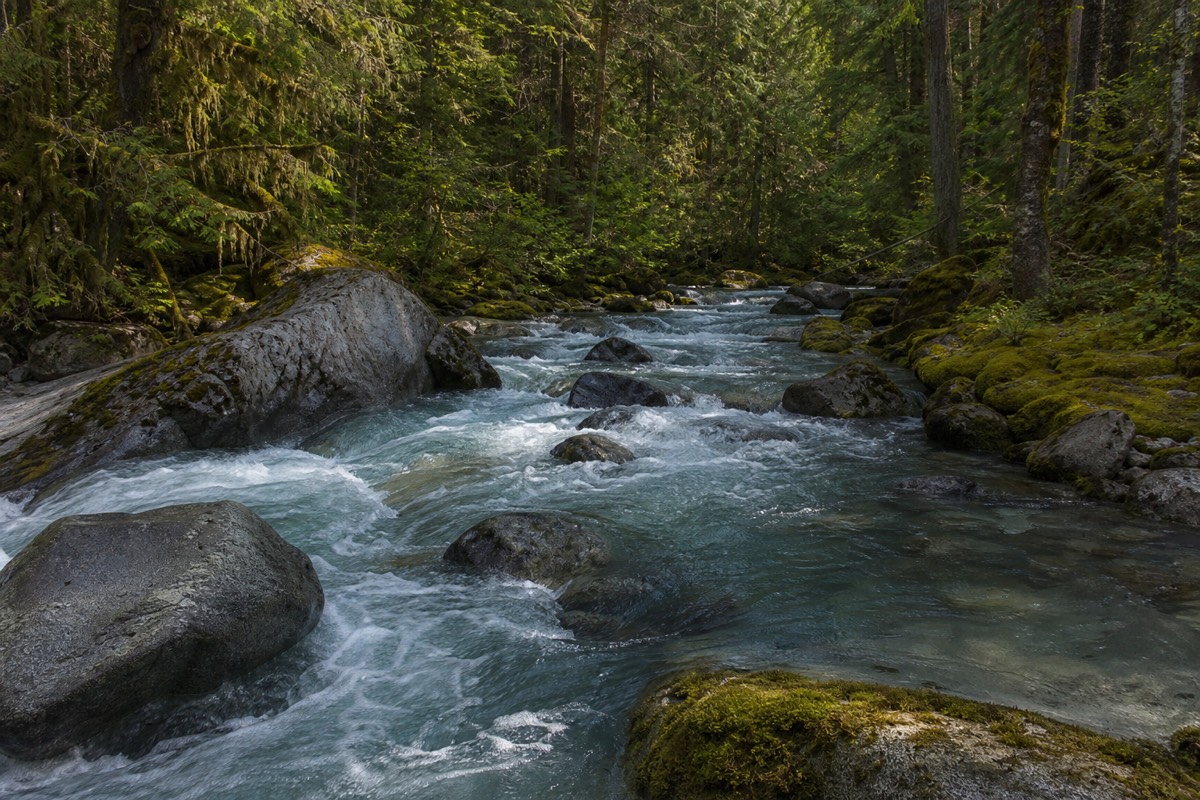
The peaks get the attention, but the valley floor holds some of the best memories. In summer, the free beaches at Rainbow Park on Alta Lake and at Lost Lake give you warm-water swimming with the Coast Mountains reflected in front of you. Year-round, the Train Wreck Trail delivers a short, flat walk to a suspension bridge over the Cheakamus River and a scatter of painted boxcars from a 1950s derailment, one of the valley's genuine free highlights.
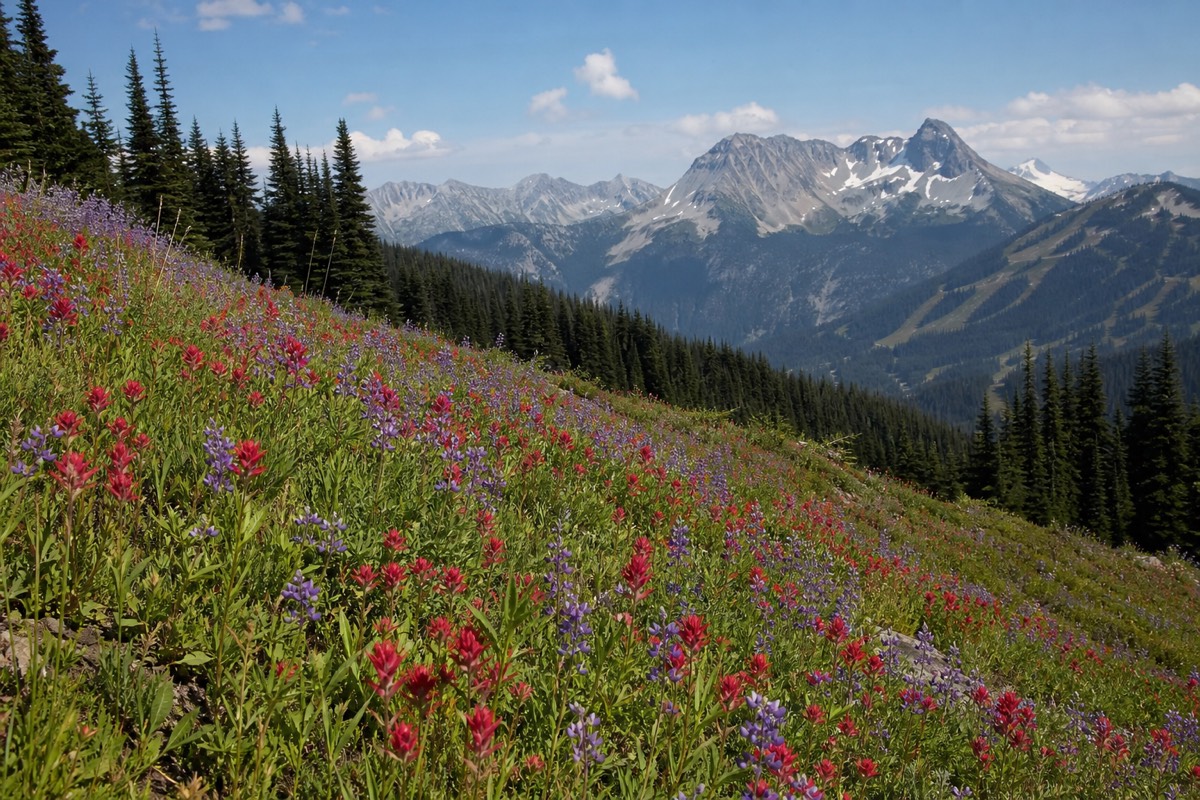
Getting to both is free and easy. The lakes sit a short cycle or walk from the village on the paved Valley Trail, and Lost Lake's beach has washrooms and grassy shade, though neither lake is lifeguarded, so keep young swimmers close and pack water shoes for the pebbly entries. The Train Wreck lots fill fast on summer weekends, so go early or late, and treat the boxcars as things to photograph and clamber gently rather than climb high. July and August are the swim months, while the walk itself works whenever the path is snow-free.
These slower stops are what balance a Whistler trip, and more of them wait in our Whistler hidden gems.
In what order should you do the Whistler highlights?
With one day, ride the Peak 2 Peak first, wander the Village at lunch, then walk the Train Wreck Trail. With two or three days, add an aerial thrill and a lake afternoon, and keep the weather-dependent heli flight flexible. Front-load the big-ticket ride while you are fresh and the light is best.
Order matters more than most first-timers expect. The gondola and alpine reward an early start, before cloud builds over the peaks and before the mid-morning queues, so make that your first move whatever the length of your trip. Ziplines and the village fill the middle of a day happily, and the quieter lake or Train Wreck hours work best as a wind-down. A glacier heli flight is the wild card, since it hinges on clear skies, so book it for a flexible morning and treat a blue-sky window as the trigger to go.
| Days you have | Do first | Then add |
|---|---|---|
| One day | Peak 2 Peak and the alpine, early | Village lunch, Train Wreck Trail |
| Two days | Gondola, then a zipline | Lakes or the Village, an evening stroll |
| Three days or more | Add a glacier heli flight on a clear morning | A lake day, a Sea to Sky stop, a slow village night |
Whatever the length of stay, protect one anchor experience a day and leave slack for weather. If you are still deciding how long to spend, our guide to how many days you need in Whistler weighs the highlights against the clock, and for a single packed day, the one-day itinerary sets the route.
What do the Whistler highlights cost?
The free highlights, the Village, Olympic Plaza, the lakes and the Train Wreck Trail, cost nothing. The paid ones climb from a scenic gondola ride listed around $100 to a glacier heli flight near $324. Budget one or two big-ticket experiences and lean on the free list for the rest, then check the live listings for current pricing.
Whistler splits neatly into what you pay for and what you do not, which makes budgeting simple once you see it laid out. The mountain rides and flights carry real prices, quoted here as planning allowances from the operators' live listings, while the walking, swimming and wandering that fill the gaps between them are free. The table below is the honest spread, so you can pick the one or two paid highlights that matter most and spend the rest of your time for nothing.
| Highlight | Rough cost | Book ahead? |
|---|---|---|
| Village, Olympic Plaza, lakes, Train Wreck | Free | No |
| Peak 2 Peak scenic gondola ride | around $100 | Worth it in peak weeks |
| Zipline adventure | around $125 | Yes, popular |
| Glacier heli tour with a landing | around $324 | Yes, and keep it flexible for weather |
The original prices are planning examples, not current quotes. Compare your exact date, party and inclusions before deciding which paid activity earns a place in your trip.
What can you skip, and when should you go?
You can safely skip whatever does not fit your season or budget: heli tours in poor weather, the alpine outside its mid-June to mid-September window, and paid attractions if your days are tight. Go in July for lakes and the alpine, or February for reliable snow, and build around one or two anchor experiences.
Not everything is worth forcing. The alpine and its skybridge only run through the warmer months, so a spring or late-fall visit should lean on the gondola ride, the village and the lower trails instead. Heli tours depend on clear skies, so treat them as a flexible plan, not a fixed one. And there is no shame in skipping paid attractions to spend more time on the free ones, which are among the best things here anyway. The operators we work with at Whistler BC Tours run the guided rides above in both summer and winter, so the shortlist holds whenever you come. Time your trip to the season you want, protect one or two anchor days, and Whistler rarely disappoints. For a tighter plan, our one-day itinerary shows how to fit the essentials into a single day.
One honest word on weather and pace. The high alpine can cloud over on a clear valley day, so treat the summit walk as a morning target with the village and lakes as a ready backup. First-timers most often regret rushing, cramming five headline activities into two days and enjoying none of them, so it is better to do three of them well. Whistler rewards the trip that leaves room to linger over a lake, a patio or a gondola window rather than sprinting between tickets.