What Can You Do in Whistler If Not Skiing?
Short answer: a lot. Whistler runs a full slate of adventures, sights and slow days that never touch a ski run, in every season.
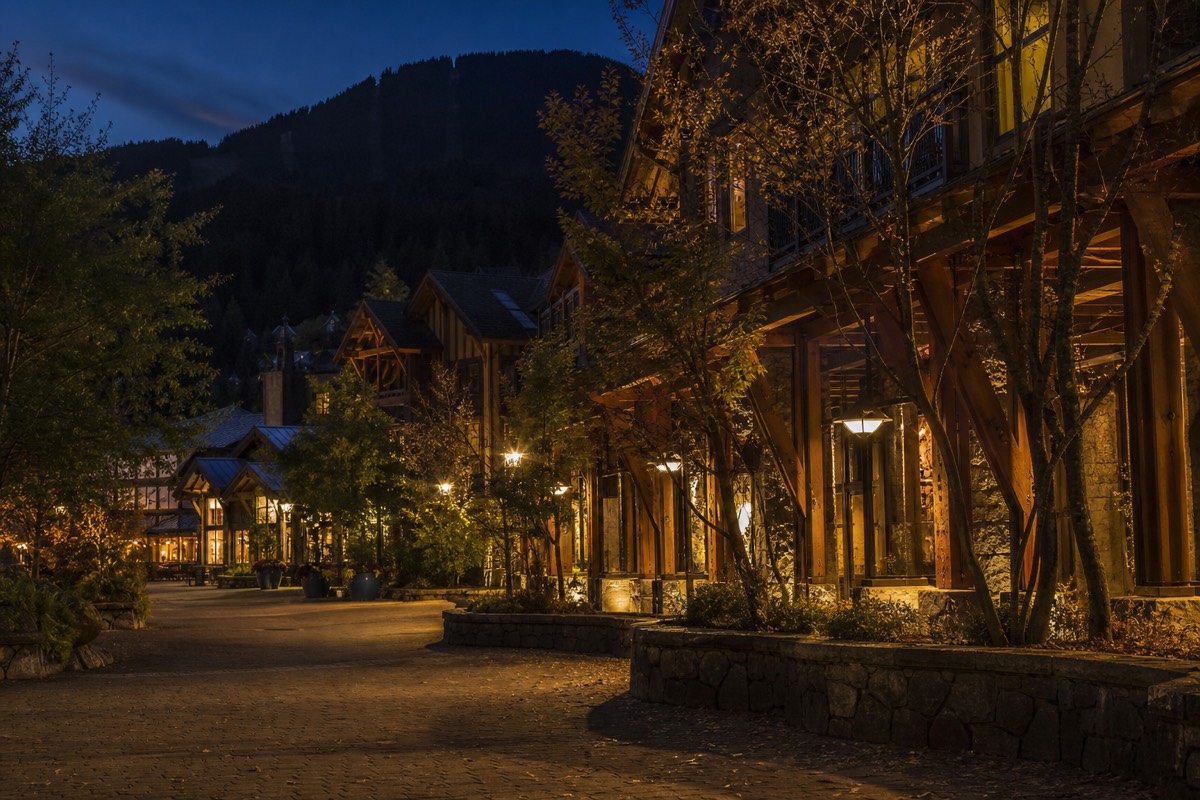
Roughly a third of the people wandering Whistler Village on any winter day are not there to ski. Some can't, some won't, and plenty just prefer their mountains at gondola speed. The town was built as a resort long before it became a ski legend, and it shows: the list of things to do without skiing is long enough to fill a week.
What follows is the honest, sorted version, split into the winter-only adventures, the warm-weather options and the things that run all year. The guided experiences we point to are run by the operators behind Whistler BC Tours, shown with real ratings and live prices at each listing. Every price here is a planning allowance rather than a fixed quote, so use it to budget and confirm the current rate before you book.
Budget note: original price examples below are planning allowances, not current quotes. Compare the provider’s actual date, currency, party and included extras before relying on a figure.
Plan This Experience
A first-day overview: guided valley sightseeing connects Green Lake, Olympic venues and Whistler history.
At a glance: what to do in Whistler without skiing
Winter, summer and year-round options that never touch a ski run.
What can you do in Whistler if you don't ski?
Ride the Peak 2 Peak Gondola, go snowmobiling or ice fishing, snowshoe the forest trails, soak at the Scandinave Spa, tube at the Coca-Cola Tube Park, take a sleigh ride, walk the Vallea Lumina light trail, and explore the museums and the car-free village. None of it needs skis, and much of it runs year-round.
The honest answer is that skiing is optional here in every season. Non-skiers get the same record-setting gondola, the same backcountry, the same steaming baths and the same lively village. A single winter day can run a snowmobile across a frozen lake in the morning and end in a silent Nordic pool by dusk, no lift ticket required. What follows sorts the options into the winter-only adventures, the summer alpine, and the things you can do any time of year. For the deep versions, our guide to winter activities besides skiing and the pillar on the full list of things to do in Whistler go further.
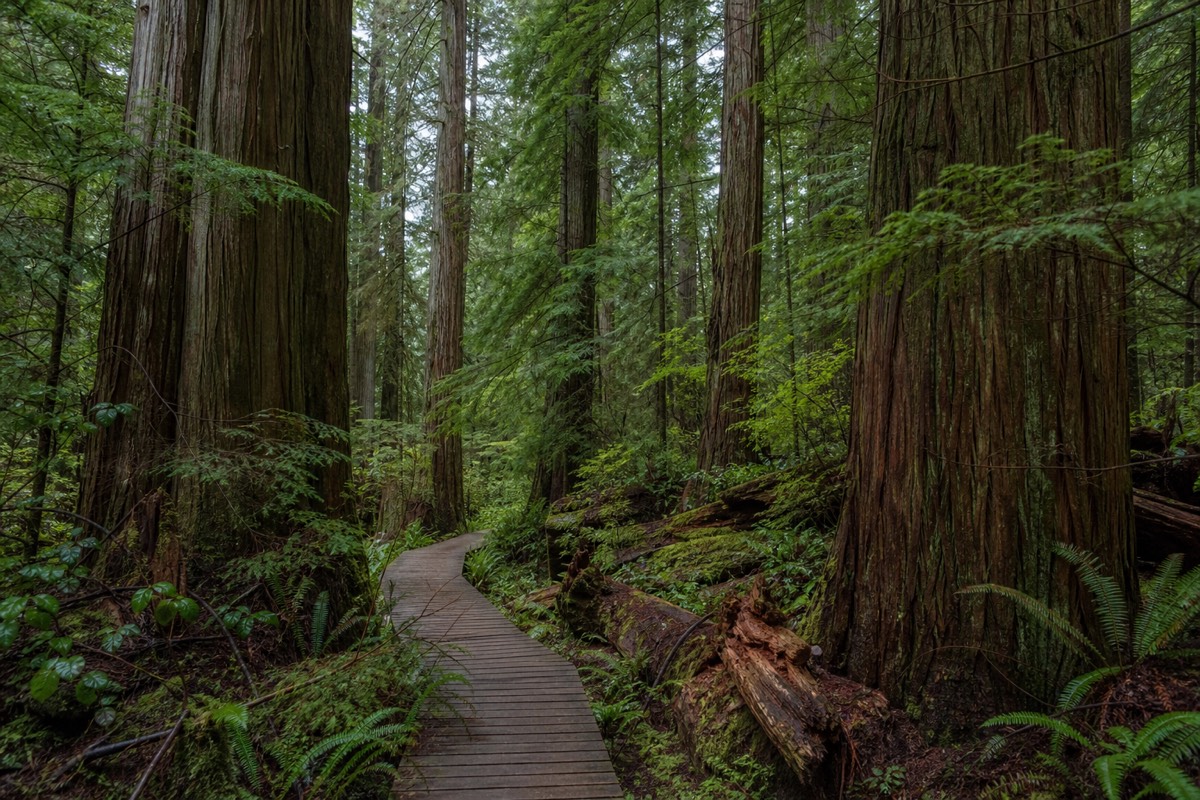
None of this is a consolation prize. The gondola, the spa, the snowmobile run and the after-dark walks are marquee experiences that skiers pay for too; the only thing a non-skier skips is the lift ticket. That is the mindset to arrive with, and it changes how the whole trip feels.
Which winter activities skip skiing entirely?
Snowmobiling in the Callaghan backcountry, ice fishing on a frozen lake, snowshoeing, tubing, sleigh rides and the Vallea Lumina night walk are all winter-specific and involve no skiing. Snowmobiling and ice fishing have different age, fitness and equipment requirements.
Winter's biggest thrills here have nothing to do with groomed runs. Guided snowmobile tours climb into the Callaghan Valley for forest trails and frozen lakes; ice fishing sets you up in a heated tent to fish for rainbow trout. Gentler options, snowshoeing at Lost Lake, tubing at the base of the gondola, and sleigh rides behind draft horses, suit families and anyone easing into the cold. Our roundup of snowmobiling and ice fishing covers the guided pair in detail.
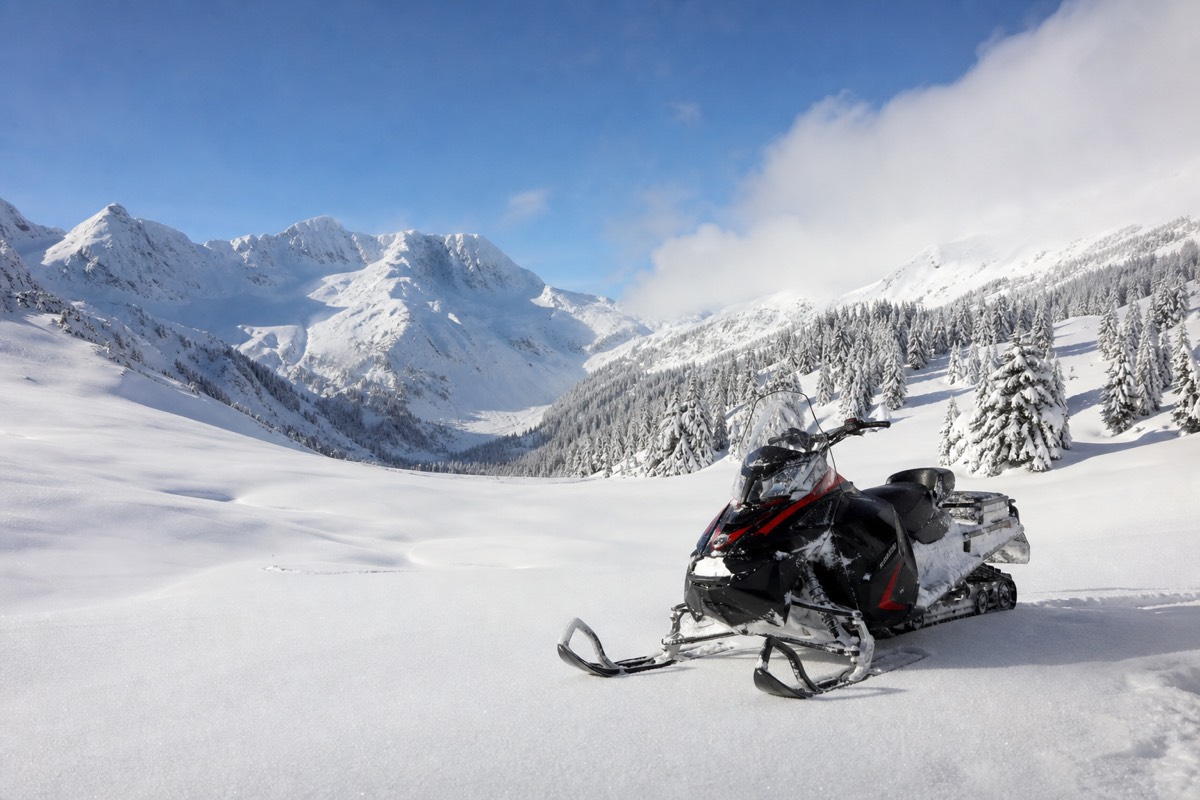
The scale runs from a gentle float to a real rush. At the calm end, a sleigh ride behind draft horses and a lantern-lit snowshoe walk suit anyone, small children included. In the middle sit tubing and the gondola, both easy but with a little thrill. At the top is the guided snowmobile run, the valley's most-booked winter adventure, climbing into the Callaghan for open lake runs and forest trails. Ice fishing is the quiet outlier: a heated tent, a drilled hole and a morning of stillness on a frozen backcountry lake.
| Activity | Effort | Best for |
|---|---|---|
| Snowmobiling | Moderate | Adventure seekers |
| Ice fishing | Easy | Quiet, novel days |
| Snowshoeing | Easy | All ages and levels |
| Tubing | Easy | Families, quick fun |
| Vallea Lumina | Easy | Evenings, kids |
What can you do in Whistler in summer without skiing?
Summer erases the ski question completely. From about mid-May the alpine reopens for lift-served hiking, the Peak 2 Peak Gondola runs for sightseeing, and ziplining, guided eBiking, lake swimming and whitewater rafting fill the valley. None of it involves snow, and the warm months are the easiest season to visit as a non-skier.
For half the year skiing is not even on the table, and Whistler barely misses it. Once the snow clears the ridges, the lifts that carry skiers in winter run walkers up to alpine meadows laced with marked trails for every pace. Down in the valley, a guided eBike tour rolls the lake loops with the motor doing the climbing . The forest ziplines send you gliding over Fitzsimmons Creek, and whitewater rafting on the Green River starts from around CA$200 for ages ten and up. For the full warm-season menu, our guide to everything the alpine offers in summer breaks it down month by month.
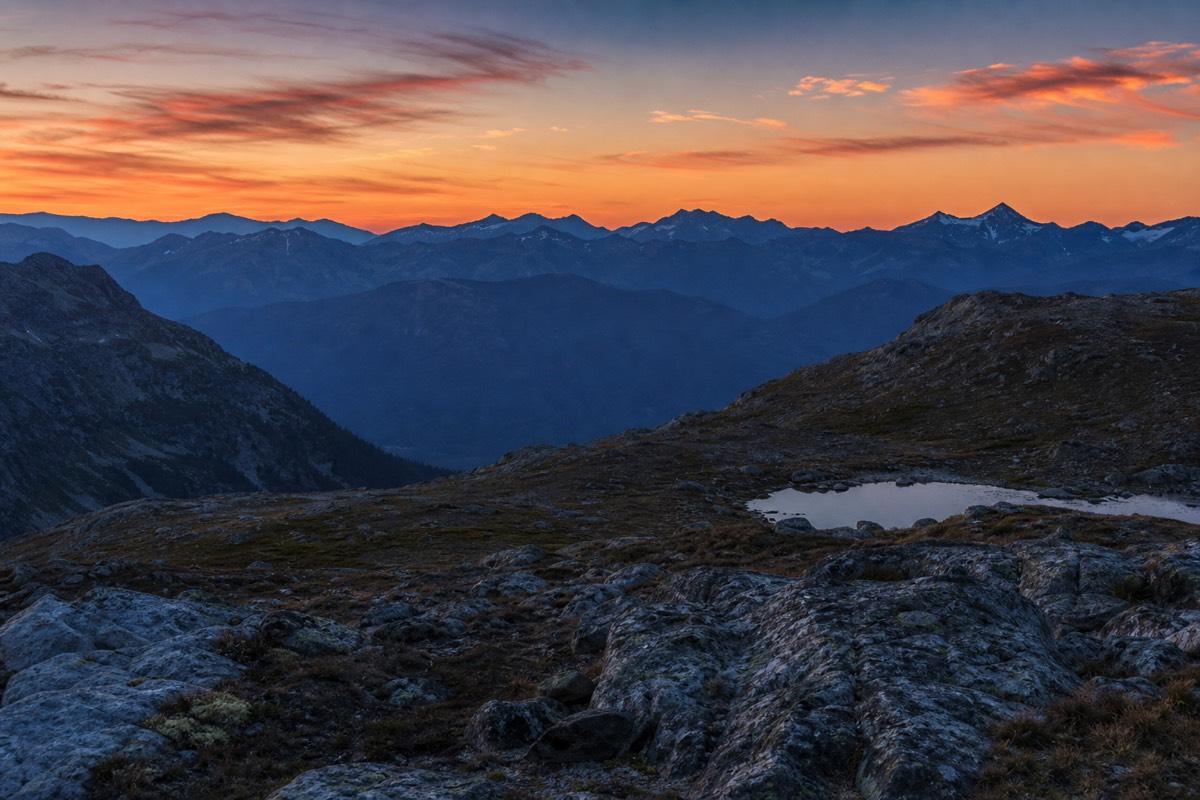
The alpine ticket does the heavy lifting in summer. One pass carries a non-skier up the gondola, across the record-setting crossing to Blackcomb, and onto a network of marked trails that range from flat meadow loops to exposed ridge walks. Down at valley level, the lakes warm enough to swim by July, the paved trail links every beach, and the ziplines and rafting run whatever the forecast. A summer visitor who has never clicked into a ski or a snowboard can fill three full days here without repeating a thing.
What can non-skiers do year-round?
The Peak 2 Peak Gondola, the Scandinave Spa, the Audain Art Museum, the Squamish Lil'wat Cultural Centre and the pedestrian village all run year-round with no skiing involved. In summer, add alpine hiking, ziplining, eBiking and the lakes. These are the anytime options that never depend on snow.
Plenty of Whistler ignores the calendar. The gondola runs winter and summer; on a sightseeing ticket, non-skiers ride the record-setting crossing between the mountains for the views alone. The Scandinave baths, the Audain Art Museum and the Squamish Lil'wat Cultural Centre are open through the year, and the car-free village is a pleasure to browse in any weather. The Audain holds one of the finest collections of British Columbia art, while the cultural centre tells the shared story of the Squamish and Lil'wat First Nations whose territory this is, both a short walk apart in the village. Come summer, the whole alpine reopens for hiking, and ziplining runs regardless of season. For the budget-friendly slice, see our free things to do list.
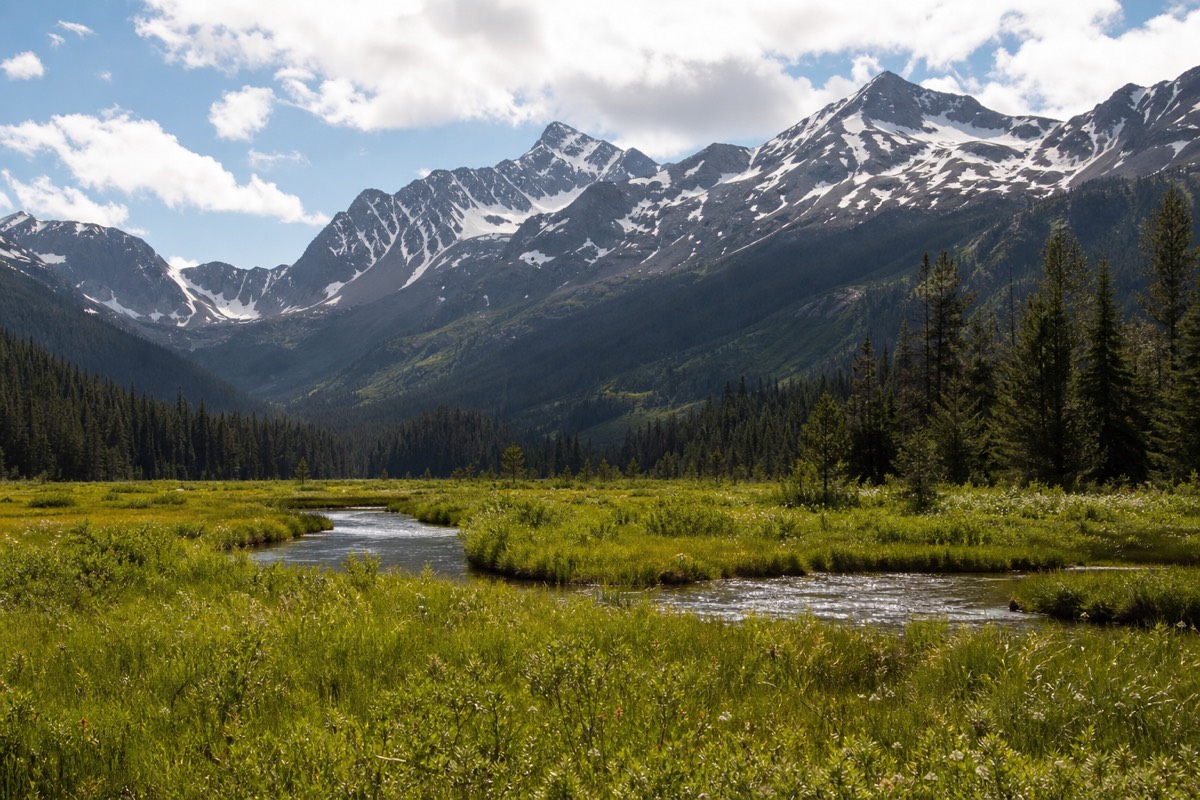
The village itself is the constant. Car-free and compact, it works as a slow day in its own right: coffee on a patio, a wander through the galleries, the two museums a short walk apart, and dinner without ever moving a car. In summer the patios spill onto the stroll and the Olympic Plaza hosts free concerts; in winter the same lanes glow under snow and heat lamps. For a non-skier, the village is where the trip resets between adventures, and it never once asks whether you can ski.
How much does a non-ski day in Whistler cost?
A non-ski day scales to any budget. A free day of village strolling, lakeshore paths and the Train Wreck Trail costs nothing but lunch. A mid-range day around the gondola or the tube park runs roughly CA$25 to 150 a head. A marquee guided adventure like the snowmobile run sits higher, from about US$249. Most trips blend all three.
Money goes as far as you want it to here. The outdoors is largely free, so a walker can fill a day on the Valley Trail, the lake beaches and the forest path to the painted boxcars without spending a cent. Step up to the gondola, an hour of tubing or the Vallea Lumina light walk and you are into the mid range, roughly the price of a nice dinner. The guided backcountry days cost the most, because the fee covers the machine, the gear and the guide. The table sorts the non-ski options into three honest budget tiers, all planning allowances rather than fixed quotes.
| Budget tier | What you get | Roughly per person |
|---|---|---|
| Free | Village stroll, lake beaches, Valley Trail, Train Wreck Trail, Olympic Plaza skating | CA$0 |
| Mid | Peak 2 Peak sightseeing, tube park, Vallea Lumina, museum entry, snowshoe rental, weekday spa | CA$25 to 150 |
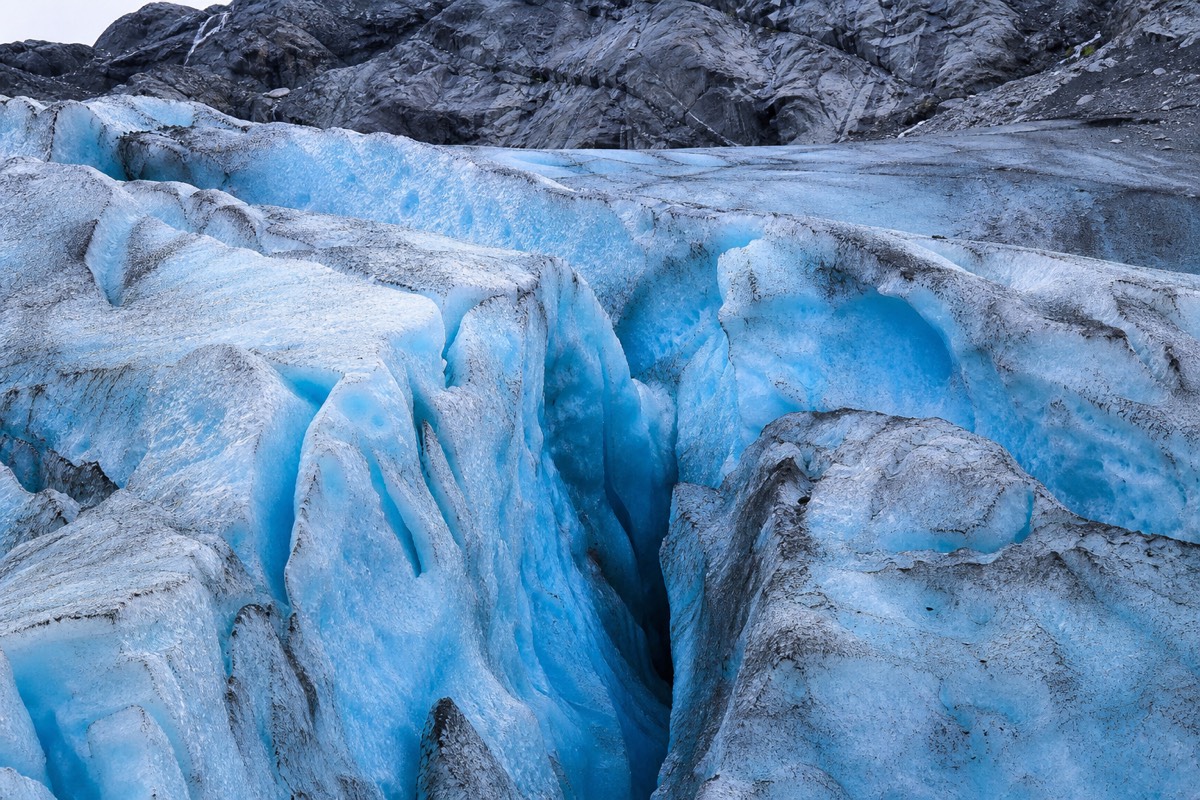
| Splurge | Guided snowmobiling, ice fishing, a seaplane or heli-glacier flight | from US$164 |
Attraction and spa prices are approximate Canadian gate rates; guided-tour figures are the operators' listed starting rates in US dollars. Confirm both on the live listing, since seasonal pricing moves.
Which non-ski activity fits your group?
Match the activity to the crew. Families lean on the tube park, snowshoeing, the gondola and Vallea Lumina. Couples favour the spa, a sleigh ride and the quiet of ice fishing. Thrill-seekers book the snowmobile run or summer ziplining. Older or slower travellers get the most from the gondola, the museums and the baths.
No two groups want the same day, and that is the quiet strength of a non-ski trip: the roster bends to whoever you are travelling with. Parents can build a whole holiday around the beaches, the tube park and the forest light walk, the plan our guide to a family trip built around the little ones lays out in full. Couples tend to pair one adventure with a long spa afternoon, while a confident group of friends will want the snowmobile throttle or a summer zipline. The table matches each type of traveller to the picks that reward them most.
| Traveller | Best non-ski picks | Season |
|---|---|---|
| Families | Tube park, snowshoeing, gondola, Vallea Lumina, lake beaches | Winter and summer |
| Couples | Scandinave Spa, sleigh ride, ice fishing, seaplane flight | Year-round |
| Thrill-seekers | Snowmobiling, ziplining, heli-glacier landing, rafting | Season-dependent |
| Relaxed or older | Peak 2 Peak sightseeing, museums, spa, village dining | Year-round |
Is Whistler worth visiting if you don't ski?
Yes. Whistler works as a mountain holiday with or without skiing. Between the gondola, guided adventures, the spa, the museums, the lakes and the village, non-skiers rarely run out of things to do. Many visitors come precisely for this side of the resort and leave without ever renting skis.
If skiing is off the table, you are still getting one of the best mountain towns in North America. The scenery, the food, the guided adventures and the slow days all stand on their own. Weighed against a resort that lives and dies by its ski runs, Whistler gives a non-skier far more to fill a day, from two First Nations and art museums to a record-setting gondola that turns in both seasons. A non-skier's Whistler is less about lift lines and more about the gondola view, a spa afternoon and a snowmobile morning. The one thing to watch is timing: the deepest-winter months carry the fullest backcountry roster, while summer swaps snow sports for the alpine.
How do you spend a non-ski day in Whistler?
Pair one adventure with one slow reward. Ride the gondola or run a snowmobile in the morning, warm up at the spa or over a lodge lunch, then tube or walk the Vallea Lumina trail in the evening. Two days lets a non-skier cover the mountain, an adventure and the village without rushing.
A non-ski day has a natural rhythm. Do the active thing first, whether that is the Peak 2 Peak crossing or a guided snowmobile run, while the light is good and your energy is high. Warm up in the middle of the day at the Scandinave baths or over lunch on the mountain. Save the easy fun for after dark: tubing, skating or the forest light walk, then dinner in the village. Give the town two full days and a non-skier fits it all in comfortably.
To make it concrete, here is how a non-skier might split two winter days. Day one leans into the cold: a guided snowmobile run in the Callaghan in the morning, a thaw-out lunch back in the village, an hour of tubing with the kids in the afternoon, then the Vallea Lumina walk after dark. Day two slows right down, with the Peak 2 Peak crossing for the big views while the light is clear, a long soak at the Scandinave baths, and an unhurried village dinner to close. Swap the snowmobile for a summer zipline and the tube park for a lake swim, and the same rhythm carries a warm-weather trip just as well.